
Your Grape Guide to Riesling
An introduction to Germany’s Superstar White
LAST UPDATED: 21 MAY 2026
WRITTEN BY: RICHARD BULL
Aromatic, racy and wonderfully food-friendly, Riesling is Germany’s superstar white.
It’s a true chameleon: from bone-dry to lusciously sweet, still or sparkling, floral or intriguingly smoky. That incredible range is exactly why critics love it - but also why many drinkers find it baffling.
Throw in labels full of terms like Kabinett and Auslese, and Riesling can quickly seem more complicated than it needs to be. So perhaps the better question is…
Why should you choose Riesling?
For me, the answer is simple: food. A recent dinner-party dilemma proved the point.
A friend had his main course sorted - roast lamb with a Merlot from Napa - but was stuck on the starter: duck salad with a Thai dressing. What could handle that spice and zing? To me, it was a no-brainer. The chilli heat and bright, herby flavours were crying out for an off-dry white with slight sweetness and floral notes.
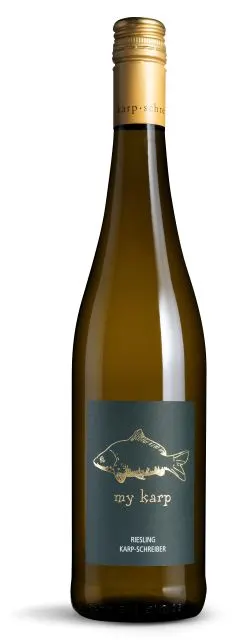
My pick was My Karp Riesling - a beautifully balanced, fresh Mosel white with just enough limey sweetness and crispness to bring the whole dish into focus.
That confidence comes from the wine itself, as well as the story behind it. Jobst-Julius Karp is the 13th generation to farm just six steep hectares by hand at Karp-Schreiber, a family estate in the Mosel dating back to 1664 - exactly the kind of place that reminds you why German Riesling has such a loyal following.
For me, it’s not just a smart match for spicy food; it’s an excellent place to start if you want to understand why Riesling inspires such devotion.
Riesling has always been a high-end wine
As Sunday Times Wine Club President Hugh Johnson once noted, “There was a time when all grand dinners began with a Hock or Mosel.”
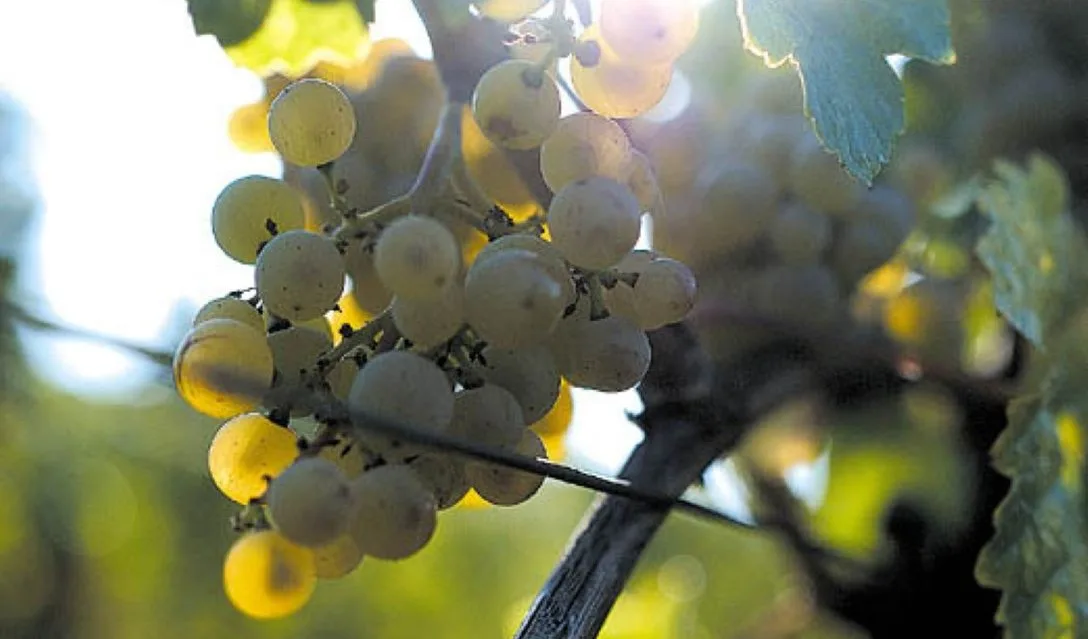
In other words, Riesling has long belonged at the top table. While its exact origins are still debated, the grape has flourished in Germany for centuries, with the earliest written record dating back to March 13, 1435 - a date now celebrated globally as Riesling’s birthday.
Once the darling of German nobility, it was stockpiled in cellars where collectors quickly realised its incredible potential to age. Today it remains legendary for its longevity, with the highest-quality bottles capable of aging and improving for well over a century.
Where else does Riesling thrive?
Germany may be Riesling’s spiritual home, but the grape excels elsewhere too.
Alsace produces dry, full-bodied Rieslings as well as richer, honeyed dessert styles.
While it may not get star billing, Austria’s Riesling can and often does rank among the very best. Styles range from bracingly fresh and fruity to superbly complex. What makes Austrian Riesling so exciting is its ability to deliver outstanding value in the entry-level range.
Outside Europe, Australia’s Clare and Eden Valleys are cool enough to retain the fresh perfumed character of the grape. Here you'll find bright, mouth-wateringly dry, lime-licked styles with excellent potential for ageing.
In Washington State, Riesling is often made in a dry style with ripe stone-fruit character.
The cooler climate of New Zealand, especially Marlborough, offers tangy, light-bodied styles with peach and lemon notes.
Why German Riesling still stands apart
Riesling may travel well, but it’s in Germany that Riesling shines with such kaleidoscopic brilliance.
It's cooler climate, steep slopes and slate-rich soils give the grape a precision and character that’s hard to replicate elsewhere.
German Rieslings are, generally speaking, identified by one of two categories.
Qualitätswein-level wines come from one of the country’s 13 specific wine-growing regions. They range from dry (Trocken) and off-dry (Halbtrocken) to sweet (Süss).
Prädikatswein is the higher tier, split into six levels based on grape ripeness at harvest. They range from Kabinett (made from fully ripened grapes) to Eiswein (made from grapes that have been picked while frozen on the vine).
Choosing a Riesling – A Quick Start Guide
If all the terminology feels a little daunting, this is the simplest way to start:
If you want dry and zesty, look for…
Rieslings labelled Trocken, or bottles from regions such as Alsace, Australia’s Clare or Eden Valley, and some parts of Austria. These styles tend to be crisp, citrus-led and refreshing.
If you want off-dry for spicy food, choose…
Mosel Riesling, especially one with a touch of sweetness such as Kabinett or an off-dry style. That hint of sweetness makes a brilliant match for chilli heat, Thai flavours and fragrant spiced dishes.
If you want something richer or sweeter, try…
Later-harvest styles such as Spätlese or Auslese, which can offer more ripeness, texture and sweetness. These are lovely with desserts, strong cheeses or simply when you want something more indulgent.
Food pairings with Riesling
Few grapes are as versatile at the dinner table as Riesling, with styles to suit almost every kind of dish.
Dry and Sparkling Rieslings are superb with seafood and shellfish. The mineral notes in the wine blend seamlessly with salty, fishy flavours.
Half-dry styles match flawlessly with chicken and other white meats. Soft cow’s milk cheeses, truffle cream and goats cheese also complement half-dry Rieslings, making it a great wine to have with stuffed chicken, chicken Alfredo or risotto.
Sweet Riesling makes a stunning dessert wine, especially when enjoyed alongside a fruit-based dessert like strawberry shortcake or lemon tarts and cakes.
Late-harvest Rieslings that are particularly sweet also go well with sugary desserts like cookies and brownies.

Riesling: The final verdict
For all its reputation as a grape that needs decoding, Riesling is surprisingly simple once you find your way in. Pair it with the right dish, pour it at the right moment, or simply give it the benefit of a second look - and you’ll find one of the most rewarding whites in the wine world.
Misunderstood? Perhaps. Forgettable? Never.
We stop at nothing to bring you great wine
For over 50 years, we've gone off the beaten track to bring you great bottles from independent wineries around the world. We taste over 40,000 bottles a year to find the 800 or so that make the final cut. Whether you love crisp, citrusy whites or richer, honeyed styles, you’ll find Rieslings to suit every palate in our handpicked wine collection.
About the author
Richard Bull
Although good at running up hills, Richard failed to make the military cuvée and turned instead to the drinks trade. After stints at Hennessy, Oddbins and Grants of St James, he arrived at Laithwaites. Here, he spent 15 years writing about real wine and the people who make it. As he wrote from the desk to your door, he was lucky enough to visit vineyards in France, Italy, Spain and Kent.
Qualified to WSET Level 3, Richard loves the off-the-beaten track reds of the Languedoc - but is currently obsessed with Greek wine, particularly their super crisp whites.
