
- Home
- blog
- wines around the world
- Wines of the Loire Valley
wines of the Loire Valley: A beginner's Guide
The Loire Valley is one of France’s most important wine regions, up there with giants like Bordeaux, Burgundy and the Rhône.
While it’s best known for crisp, refreshing Sauvignon Blanc, the Loire has far more to offer - from great‑value, stylish fizz and zippy seafood‑friendly whites to elegant, light reds.
So pour yourself a glass and discover everything you need to know in our beginner’s guide.
Where is the Loire Valley?
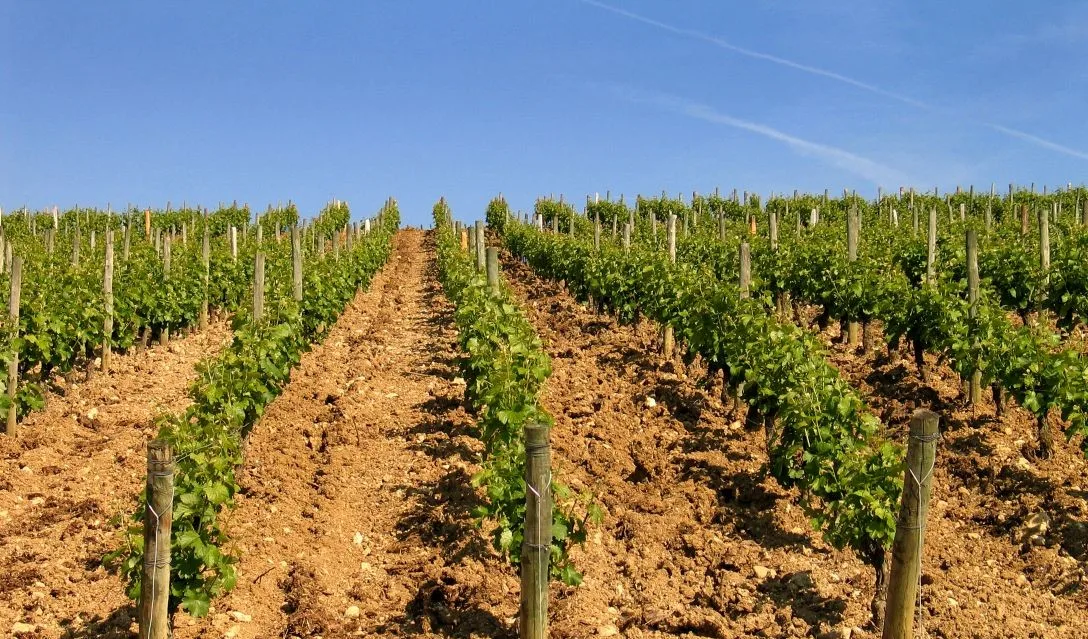
The Loire Valley wine region stretches from the mouth of the river, by the Atlantic near Nantes, all the way upstream to the famous appellations of Sancerre and Pouilly-Fumé.
A scenic stretch of river that’s some 800m long and dotted with fairy-tale châteaux. It’s a beautiful area to visit. It’s incredibly diverse, with 61 appellations and more than 70,000 hectares under vine.
And the Loire produces a wide array of different styles – elegant sparkling wines, ravishing rosés, crunchy reds and, most famously, refreshing whites. It’s a fabulous region to enjoy wine.
What makes Loire Valley Wines special?
The Loire Valley is exceptionally fortunate when it comes to terroir - a magical combination of soil, climate and microclimate that produces very fresh and potentially complex wines.
But this natural advantage doesn’t come without challenges. The Loire is one of France’s more marginal wine regions climatically, and Mother nature can make all the difference to the success of a vintage. Heavy frosts can decimate an entire harvest, so growers pray for bright sunny skies during the summer followed by dry conditions at harvest time in late September. Never a guarantee in a northerly region.
More recently, climate change has added a new complication - extremes of heat. The region’s wines are renowned for their freshness, which comes from a good level of acidity in the juice of the grapes. But a prolonged heatwave in August – which has become more common in recent years – can lower acidity and reduce the freshness of the final wine. So, harvest dates increasingly being brought forward, and grapes are picked in the cool of (very) early morning.
However, when everything comes together perfectly in a great vintage, the quality of the Loire Valley’s great range of wines can be sublime.
Best-known wines of the Loire Valley
Let’s take a taste tour, starting where the Loire’s estuary flows into the Atlantic.
Pays Nantais
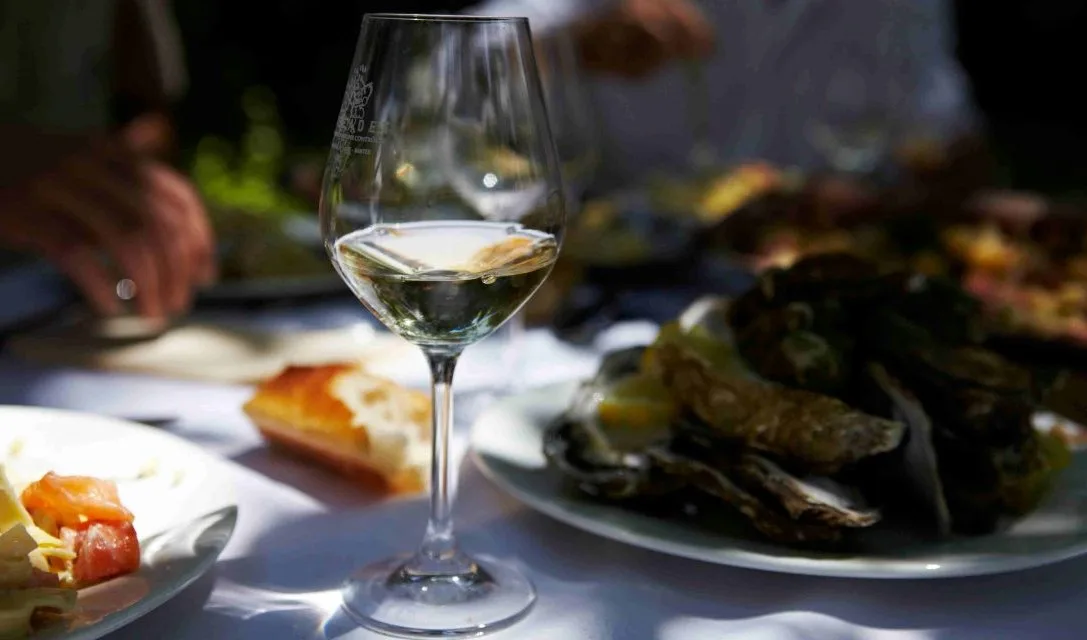
Not far from the city of Nantes, Pays Nantais is famous for its Muscadet. It’s made from the Melon de Bourgogne grape and produces a style with gentle citrus notes, minerality and a unique saline tang. This French classic fell out of favour with UK drinkers a couple of decades ago, but it’s now back in fashion thanks to a move towards richer, lees-aged wines.
Tip from the Tasting Room: Domaine Gadais, a father-and-son-run estate specialising in this richer style of Muscadet. These are wines to serve straight from the fridge, alongside your favourite seafood dishes.
Anjou-Saumur
Anjou-Saumur is the next region as we venture upstream. The Anjou appellation is best known for its sweeter style of rosé, while Saumur is renowned for white wines made from the Chenin Blanc grape.
Look out for lees-aged wines from the region’s little (but highly revered) appellation of Savennières and anything from Philippe Socheleau, Loire Valley Winemaker of the Year 2022. Saumur is also home to exceptionally fresh reds with bright, crunchy summer fruit flavours made from Cabernet Franc.
Touraine and Vouvray
Now we head further east to Touraine, centred on the ancient town of Tours, and a superb range of wine styles.
One of the region’s most celebrated appellations is Vouvray, whose signature style is classic Chenin Blanc (dry, off-dry, and full-on sweet). Vouvray’s wines typically have lemon, lime and pear flavours and dazzling freshness. The best sweet examples can age for many years and develop a honeyed richness and remarkable complexity.
Touraine is also a very happy hunting ground for top-notch Sauvignon Blanc at very down to earth prices.
Tip from the Tasting Room: The Vauvy family’s Domaine Bellevue has been delighting customers for decades with smart Sauvignons (which are great-value alternatives to Sancerre).
Sancerre
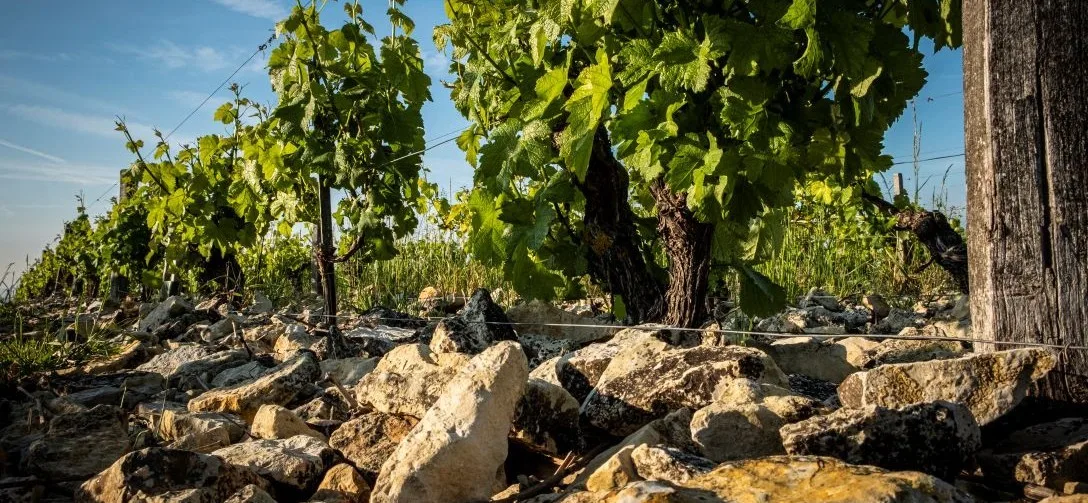
A trip to hilltop Sancerre should be on anyone’s itinerary when visiting the Loire Valley. It’s a pretty medieval settlement perched on top of a hill that rises majestically from the plains below. The views are stunning, and in every direction, you can see precious rows of vines clinging to the limestone slopes.
But just wait until you taste the wines, Sauvignon Blancs of remarkable elegance and grace.
Our oldest friends in Sancerre are the Thomas family and their wines are hugely impressive, particularly their special ‘Silex’ cuvée, from vineyards strewn with rocky flints. Gooseberry and citrus flavours and complex mineral notes in perfect harmony. Sancerre is lovely on its own, but classic Sancerre really is a treat served alongside locally made goat’s cheese. Look out too for subtle rosés and exquisite reds, both made in tiny quantities from finest Pinot Noir grapes.
Pouilly-Fumé
Given the popularity and clamour for Sancerre, it’s easy to understand why its near neighbour across the river, Pouilly-Fumé, can sometimes go under the radar.
But the white wines from this even smaller appellation offer up an equally classic and memorable expression of Sauvignon Blanc. Pouilly-Fumé is a slightly softer, broader style that delivers subtle green fruit flavours and minerally, ‘gunflint’ notes.
Crémant de Loire
Fancy a glass of stylish fizz that won’t break the bank? Then pop open a bottle of Crémant de Loire, the sparkling wine of the region that’s made in the same way as Champagne, with a secondary fermentation in the bottle (often called Champagne Method or Traditional Method).
It makes for a sophisticated sparkler with gentle, long-lasting bubbles and a lovely, creamy mousse. The wines are also aged on their lees (the yeast cells that fall to the bottom of the tank during fermentation) for extra richness and depth.
White Crémant is usually made from Chenin Blanc while rosé editions are crafted from gently pressed Cabernet Franc and/or Pinot Noir.
We stop at nothing to bring you great wine
For over 50 years, we've gone off the beaten track to bring you great bottles from independent wineries around the world. From refined Burgundy reds and powerful Châteauneuf blends to vibrant Loire whites, you'll find all sorts of hidden gems in our handpicked french wine collection.
About the author
Steve Rumble
When Steve first started writing for Laithwaites, dry rosé wasn’t a thing in the UK, the only Malbec we stocked was French and hardly any Brits could pronounce Rioja. Things have changed but Steve still loves telling the great stories behind our wines. He holds the WSET Level 4 Diploma and loves a good Provence pink or an oaky Chardonnay. Steve has sports writing experience and is our go-to writer for all things Laithwaites and England Cricket.