
Pinot Noir vs Merlot: Which to Choose?
Published: 05 April 2024
Written by: Brogan Wilson
Pinot Noir and Merlot… a tale of two classics.
Merlot is often celebrated as an uncomplicated crowd-pleaser. In contrast, Pinot Noir is regarded as a connoisseurs’ grape - elegant, refined and complex.
But drawing this line between them isn't always so simple. While Merlot excels at easy-drinking styles, it also produces the sublime, world-class reds of Saint-Émilion and Pomerol.
To help you navigate these two grapes, we’ve outlined their key differences and some tips to pick a standout bottle every time.
Taste Profiles
Pinot Noir is an incredibly fussy grape that likes cool ‘marginal’ climates. But its extreme sensitivity means it’s able to really express small differences in terroir (that mystical combination of climate, soil and aspect that make wines unique).
Young wines offer a symphony of red fruit (strawberry, cherry, raspberry) with violet and spice. Aged versions develop earthy tones of mushroom, tea leaves, and forest floor.
Merlot, on the other hand, is renowned for being smooth and juicy. It’s incredibly easy drinking, with aromas of dark fruit flavours and a supple, velvety texture. While Merlot’s rich, plum character always shines through, the top examples can deliver all sorts of lovely savoury flavours, including violets, dark chocolate and truffles.
Ageing in oak adds notes of leather, tobacco and coffee. Complexity, in fact, to rival even fine Burgundy.

Key Growing Regions
Pinot Noir
Pinot Noir is one of the world’s oldest grape varieties, but it’s known as the “heartbreak grape” because its thin skins mean it’s notoriously finicky to grow. It originated in France’s Burgundy region, but you’ll find it flourishing in cool to moderate climates such as Sancerre, coastal California, Oregon, Central Otago, Yarra Valley, and Casablanca Valley.
Pinot Noir is also grown widely in Germany – where it’s known as Spätburgunder. The cool climate produces wines in a very similar style to Burgundy – and they tend to be more reliable for quality and often better value than their French counterparts. Some of the warmer regions – Pfalz for example – produce a riper style, with all of Pinot Noir’s charm, but in an easy drinking, fruity style.
Merlot
Merlot originated in France’s Bordeaux region – where it still dominates. But because Merlot is extremely adaptable, you’ll find it grown in vineyards across the globe. You’ll find this grape thriving in moderate to warm climates.
Some of our favourite spots for Merlot outside of Bordeaux are Napa Valley, Chile's Central Valley, Margaret River, and Hawke’s Bay.
South Africa is also continuing to develop a strong reputation for complex, age-worthy reds from Bordeaux varieties. Merlot produced in Stellenbosch is often full-bodied with intense tannins. Expect red fruit and blackberries, plum and mulberry flavours, combined with French oak spice and a touch of cloves.
Top examples to watch out for
Many consider the best expressions of Pinot Noir to come from France’s Burgundy region.
At the top level – the Grands Crus – red Burgundies offer intense red fruit flavours, and are unrivalled for refinement, complexity and silky texture. But, of course, they come with a hefty price tag.
However, even at entry level, Burgundian Pinot Noir is a treat for the senses, with juicy red fruit, fine-grained tannins and enchanting aromas.
Merlot, on the other hand, reaches its highest level in the famous Right Bank regions of Bordeaux – Saint Emilion, Pomerol and the Côtes de Castillon.
Thanks to the relatively cool climate and a long, slow ripening period, these wines are elegant and complex, often with herbal and earthy notes.
Tip from the Tasting Room: Mirlo Merlot - an easy-sipping, juicy, supple red from Cariñena, in northeast Spain. Picked at peak of ripeness, it's bursting with silky ripe cherry and summer berry fruit.
Food pairings
Pinot Noir’s versatility makes it a great match for a wide range of dishes. It compliments just about everything, from roast chicken and grilled salmon to creamy pasta dishes. Its low tannins and high acidity also make it a fantastic pairing for rich, fatty foods like pork or lamb.
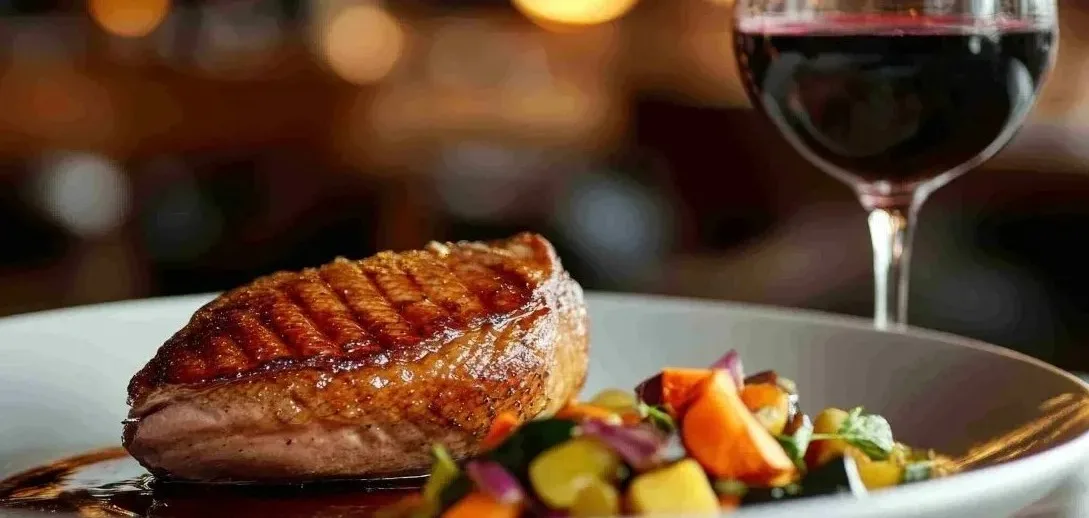
Thanks to Merlot’s juicy, plush, fruit-forward profile, it pairs superbly with roasted meats – think beef and lamb, or game birds like duck. Merlot also makes a great match with hearty dishes like stews and casseroles, as well as pasta, lasagne or tapas.
How they’re served
Pinot Noir is best savoured slightly cooler than most reds – typically around 15°C. Serving at this temperature showcases Pinot Noir’s delicate and fragrant red-fruit flavours.
To ensure your Pinot Noir truly shines, consider decanting it around 30 minutes before you intend to enjoy. This encourages the wine’s aromatic profile to fully develop. Serve in a Burgundy wine glass – the broad base and narrow rim is ideal for capturing those enticing aromas.
By contrast, Merlot is best served at room temperature – ideally around 17°C. If you serve Merlot any cooler than this, you risk losing all its delicious aromas and velvety texture.
Merlot is best served after it’s been allowed to breathe. Decant 30 minutes before serving and pour into a large wine glass to ensure those rich, fruity flavours reach their full potential.
We stop at nothing to bring you great wine
For over 50 years we've been delivering wine the right way. Our local experts taste over 40,000 wines each year - and only 2% make the grade. Start your red wine journey with our handpicked selection, from modern Australian and Argentinian reds, to the classics of Bordeaux, Rioja, Burgundy and beyond.
About the author
Brogan Wilson
Qualified to WSET Level 2 Wine, Brogan is a relatively new member of the team, having joined in September 2023. She previously worked as the sole copywriter at a creative marketing agency, and before that, as a primary school teacher. At Laithwaites HQ, you’ll find her growing her knowledge, asking lots of questions, and crafting both digital and print copy. An ardent red wine drinker, Brogan is also fond of Crémant.