
Beginner's guide to rosé
Discover all you need to know to start enjoying UK’s fastest growing wine style.
Last Updated: 15 May 2026
Written by: Chris Larkin
The rosé revival
A quick confession. I’ve always enjoyed a glass of rosé on occasion, but I didn’t give it the respect it deserves until recently. But then one day, everything changed …
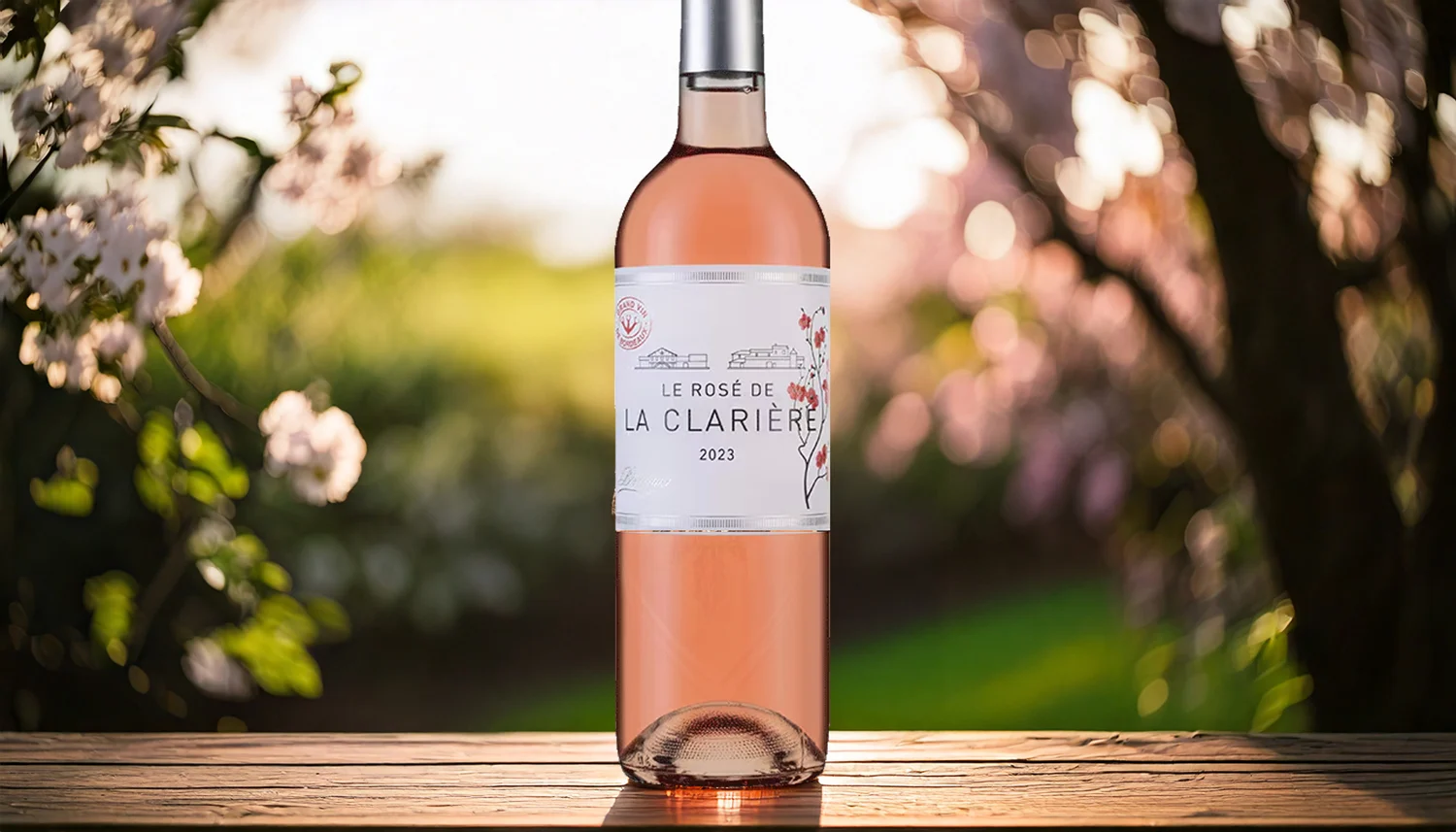
My perfect rosé moment (PRM) came on a rare sunny afternoon in June 2024. We’d invited the neighbours for an al fresco lunch, and I’d bought a magnum of the Le Rosé de la Clarière for the occasion.
Fresh from the fridge, it looked stunning – the oversized clear-glass bottle, misted with condensation, revealing the beautiful pale pink liquid within. Picture-perfect refreshment. And that was it. My love for rosé was well and truly kindled.
But at least I wasn’t alone in ignoring rosé for too long. Pink wines suffered a bad rep for decades among the chattering classes – a throwback to the time when supermarket shelves were packed with sweet, sticky bottles of a certain Portuguese plonk.
Rosé is now the fastest-growing wine category in the UK, and there’s more choice than ever before. From pale Provence pinks and elegant Bordeaux rosés to ripe, fruity styles from Portugal, Australia and beyond, there’s a style and shade for every palate. And don’t forget sparkling rosés – the ultimate romantic tipple.
How rosé wine is made
There are basically three ways of making rosé wine, one of which has been described above. Here they are, in a nutshell:
- Limiting skin contact: Most rosé wines are made by fermenting red grapes and separating the juice from the skins before they take on much colour. Examples include the elegant pale pinks of Provence and Bordeaux.
- Saignée method: Similar to above, but a portion of juice is ‘bled off’ a tank of red wine early in the fermentation – producing a pale pink wine and increasing the depth of the remaining red wine.
- Blending: Some rosé wines, like Flaming Galah, are made by blending red and white wines after fermentation. This might seem the easy option – but it is in fact a very skilled job to get just the right shade for your favourite pink fizz.
You might think that limiting contact with red grape skins is the better method - but neither is inherently superior.
In fact, most rosé Champagnes are made by blending red and white wines to carefully achieve the perfect shade. Even top Champagnes, like Bollinger Grande Année Rosé (circa £150 a bottle), are made this way.
On the other hand, Provence rosé – the gold standard for the pale, elegant pinks that have become a must-have at stylish summer gatherings – is made by limiting skin contact. Wines such as Whispering Angel show that this method can produce elegant, nuanced rosés at the very top level.
popular styles of rosé wine
Almost every region and every country that makes wine produces a rosé. It’s just that some are better known than others. Provence, for example, is known almost exclusively for rosé. Burgundy, on the other hand, does produce some rosé wines – but they’re extremely rare.
The classic one – Provence rosé
If one region can be said to have led the rosé revival, it's Provence. This picturesque region in southwest France is famous for its elegant, citrusy rosés with summer berry flavours. But what stands out most about them is their beautiful pale pink colour. This is no accident. The region’s winemakers got together in the 1990s and decided on a set of agreed practices, to ensure that quality and style (including colour) was consistent across the board.
It was a successful strategy, and Provence rosé quickly became the UK’s favourite. You know what to expect, and you can be sure you won’t get a bad bottle.
Is Provence rosé right for me? If you like crisp, elegant whites, but you’re looking for something with a little more red berry fruit – Provence rosé is a great option.
Tip From the Tasting Room: Maison Maillet Provence Rosé, a zesty-fresh and citrusy with summer berry fruit, from a fourth-generation estate - close both to famous Bandol and the whine of the Grand Prix circuit!
The modern, fruity one – deeper pink rosés
Although Provence set the style for pale pink rosés, many winemakers still like to make deeper coloured pinks. These bridge the gap between a red and a white – offering more pronounced red fruit flavours. For this style of pink, look to Australia, where the Shiraz grape makes deep, peppery rosés that go down a treat with barbecued meats.
Is fruity rosé for me? If you like vibrant flavours and a rosé with more body, a modern, fruity rosé won't disappoint.
Visit our Wine Styles Guide to learn more about bright, fruity rosés and discover your new favourite.
The romantic one – Sparkling rosé
Rosé comes in sparkling form, too. Not least from Champagne, where it accounts for around 5% of the bottles produced. Unusually for a rosé wine, pink Champagne is made by blending white wines (made from Chardonnay) with red (made from Pinot Noir and Meunier).
It’s hard to think of a more romantic style of wine than pink Champagne. With its pale pink colour, fine streams of bubbles, aromas of red berry fruit and biscuity brioche notes, it adds a sense of luxury to any occasion. And of course, there are many other countries and regions that produce excellent pink bubbly as you’ll find on our sparkling wine page.
Is sparkling rosé right for me? If you’re looking for a delightful fizz with the added dimension of a lovely pink colour and softer red berry fruit – sparkling rosé will hit the spot.
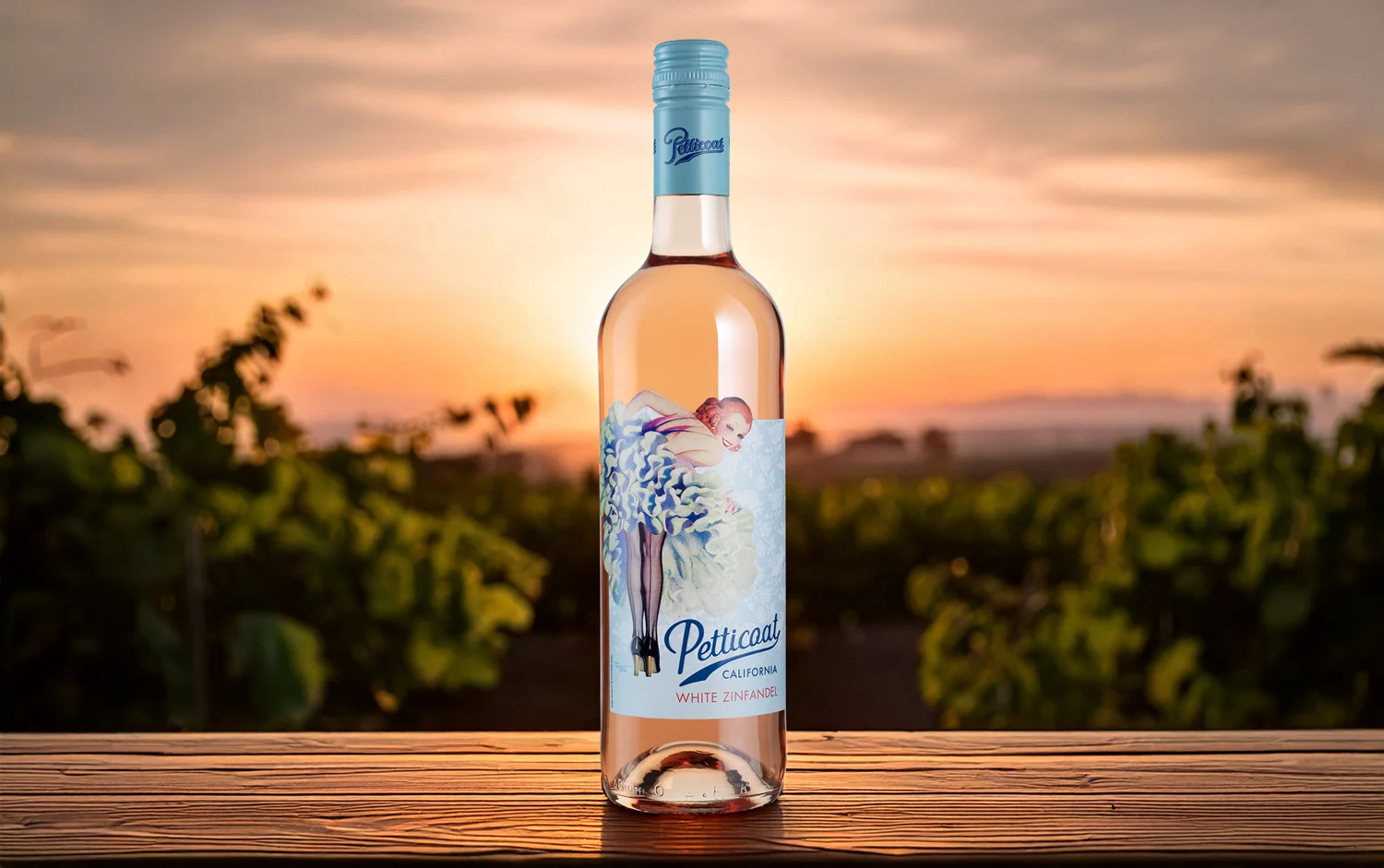
The happy accident – White Zinfandel
Zinfandel is one of the signature grape varieties of the US – and is usually known for making deeply coloured, full-flavoured red wines.
That was – until Californian winemaker Bob Trinchero accidentally created a rosé by draining the juice off the skins too early during fermentation. The result was a vivid pink wine with a lighter body, softer colour and an easy, fruity sweetness that gave it mass appeal.
White Zinfandel quickly became a style icon – the must-have pink to be seen drinking poolside in the sunshine state. Its approachable fruitiness and instantly recognisable blush colour helped turn it into one of the best-known rosé styles in the world.
Is White Zinfandel right for me? If you'e looking for a really easy-drinking rosé with ripe red fruit, a touch of sweetness and modest alcohol, White Zinfandel will hit the spot. It's the perfect party pink. It’s a great choice for relaxed get-togethers, summer sipping and anyone who prefers their pink wines soft, fruity and refreshingly uncomplicated.
Other classic rosé styles
There are many other classic rosés to look out for, including some lesser-known treasures and some top spots for bargains. Here are some of my favourites:
- Bordeaux rosé: Bordeaux rosé has been around just as long as its famous reds. Cabernet and Merlot are perfect for the style, producing elegant rosés in varied shades, with lovely summer berry fruit.
- Spanish Rosado: Spain’s most famous region for rosé, Navarra lies just next door to Rioja. Most Spanish rosados are made from the Garnacha grape (aka Grenache) which lends a lovely peppery spice to the wines, alongside crunchy blackcurrant fruit.
- Italian rosato: Some of my favourite Italian pinks come from the sunny Island of Sicily – wonderfully fruity pinks like w/o rosato, just made for sunshine sipping.
We stop at nothing to bring you great wine
For over 50 years, we've gone off the beaten track to bring you great bottles from independent wineries around the world. From the prettiest pinks of Provence to vibrant New World styles, our award-winning cellars have a rosé to suit every taste and budget.
About the author
Chris Larkin
A seasoned copywriter with over two decades experience, Chris has been part of the team since 2021. At Laithwaites HQ, you’ll find him either working on our latest catalogue or creating informative content for our website. Qualified to WSET Level 3 Wine, Chris is as geeky about wine as he is about copywriting. But when it comes to choosing a special bottle, he is a traditionalist, and loves a good Bordeaux or Mâcon Chardonnay.