

Filter by
 Bright Fruity Rosé
 New ZealandSauvignon Blanc£12.99 per bottle(£17.32 per litre)
 Rich Round WhitesNew ZealandSauvignon Blanc£50.00 per bottle(£66.67 per litre)
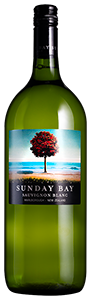 Crisp Fresh WhitesNew ZealandSauvignon Blanc£30.00 per bottle(£20.00 per litre)
Wine FAQs
What regions in New Zealand produce Sauvignon Blanc?
New Zealand may be small a small country, but it’s wine-growing regions are surprisingly diverse.
The warmer, milder growing conditions in northern wine regions result in riper grapes and richer styles of Sauvignon, with mango, melon and stone fruits flavours.
The longer, cooler growing conditions in southern wine regions result in grapes with higher acidity and more vibrant fruits. Wines are crisper, with tropical fruit flavours like passionfruit and guava, as well as that classic gooseberry-fresh character.
New Zealand’s key wine regions include:
Marlborough: Located at the northern tip of the South Island, Marlborough is by far the most famous region for Sauvignon Blanc. It’s referred to as NZ’s Sauvignon capital – known for putting the country on the international stage for its Sauvignon Blanc. Warm days, cool evenings and stony soils create intensely aromatic wines with bright acidity. The sub-regions of Wairau Valley and Awatere Valley also impart unique characteristics, from green, herbaceous notes to tropical flavours.
Hawke’s Bay: Located on the east coast of the North Island, Hawke’s Bay has a warmer, more temperature climate, producing riper, rounder Sauvignon Blancs with more restrained acidity and mouthwatering tropical fruit flavours.
Nelson: Located on north-west of the South Island, Nelson is New Zealand’s sunniest region. Sauvignon Blanc wines from Nelson are often intensely aromatic, with soft acidity, tropical fruits, subtle floral and citrus notes.
What are the characteristics of New Zealand Sauvignon Blanc?
New Zealand Sauvignon Blanc is one of the UK’s favourite styles … and it’s easy to see why. Loved for its bold, aromatic profile, expressive flavours and lively freshness, Kiwi Sauvignon is a real crowd-pleaser.
Key characteristics include its:
Vibrant acidity: NZ Sauvignon is renowned for its zesty, mouthwatering acidity. The cool climate ensures grapes retain their naturally high levels of acidity, which gives the wine a refreshing, clean finish.
Aromatic profile: Kiwi Sauvignon is known for its expressive aromas. Expect a medley of scents that range from herbaceous notes (think grass, green pepper and herbs) to tropical (passionfruit, guava, mango, melon and pineapple).
Bold flavour profile: The flavour profile of NZ Sauvignon Blanc varies between regions. For example, you’ll find classic citrus notes mixed with tropical fruits in styles from Marlborough, while styles from Nelson will exhibit more subtle fruits and floral notes.
What foods pair with New Zealand Sauvignon Blanc?
New Zealand Sauvignon Blanc is a great food wine because of its high acidity and vibrant fruit flavours. It pairs well with a wide variety of dishes, including seafood, grilled vegetables, spicy Asian dishes and salads.
How to serve New Zealand Sauvignon Blanc
To enjoy New Zealand Sauvignon Blanc at its best, serve chilled – between 6-12°C.
Pour into a standard white wine glass – one with a narrow bowl and tapered top. This will amplify the wine’s aromatic intensity.


