

Filter by
- Only 23 left
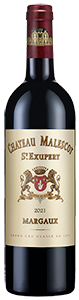 Firm Structured Reds
 FranceCabernet-based blendfrom £43.00 per bottle(£57.33 per litre)SAVE UP TO £12.00
 - Only 59 left
 Firm Structured Reds
 ItalyNebbiolofrom £42.00 per bottle(£56.00 per litre)SAVE UP TO £6.00
 - Only 54 left
 Firm Structured Reds
 United StatesZinfandel-based blend£48.00 per bottle(£64.00 per litre)
  Firm Structured RedsFranceMerlot-based blendfrom £32.00 per bottlewhen you mix 12+(£42.67 per litre)SAVE £96.00
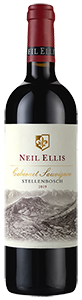 Ripe Smooth Reds
 South AfricaCabernet Sauvignon£19.99 per bottle(£26.65 per litre)SAVE £6.01
 Firm Structured RedsItalyCabernet-based blendfrom £30.00 per bottle(£40.00 per litre)
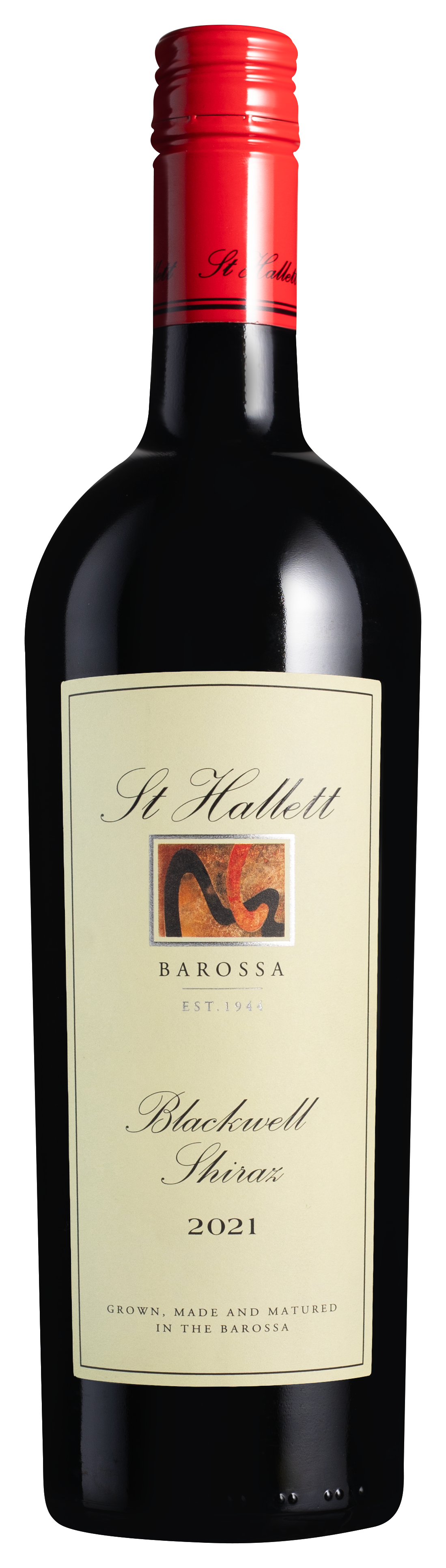 Ripe Smooth Reds
 AustraliaShiraz£25.00 per bottle(£33.33 per litre)
 Firm Structured RedsFranceMerlot-based blend£30.00 per bottle(£40.00 per litre)
 Firm Structured Reds
 SpainTempranillo-based blend£65.00 per bottle(£86.67 per litre)
- Only 93 left
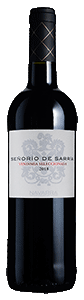 Firm Structured RedsSpainCabernet-based blend£28.00 per bottle(£37.33 per litre)
 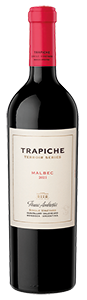 Ripe Smooth Reds
 ArgentinaMalbecfrom £31.00 per bottle(£41.33 per litre)SAVE UP TO £4.00
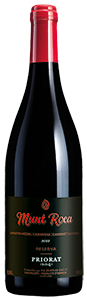 Firm Structured RedsSpainGarnacha-based blend£28.00 per bottle(£37.33 per litre)
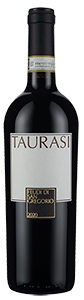 Firm Structured RedsItalyAglianico£19.99 per bottle(£26.65 per litre)SAVE £5.01
- Only 99 left
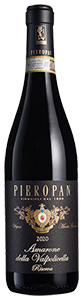 Ripe Smooth RedsItalyCorvina£60.00 per bottle(£80.00 per litre)
 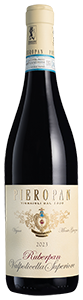 Ripe Smooth RedsItalyRed blend£27.00 per bottle(£36.00 per litre)
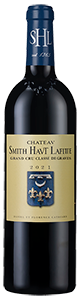 Firm Structured RedsFranceCabernet-based blendfrom £79.00 per bottle(£105.33 per litre)SAVE UP TO £51.00
 Firm Structured RedsItalyNebbiolofrom £40.00 per bottle(£53.33 per litre)SAVE UP TO £5.00
- Only 58 left
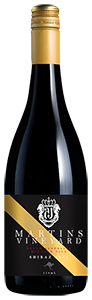 Ripe Smooth RedsAustraliaShiraz£85.00 per bottle(£113.33 per litre)
  Ripe Smooth RedsAustraliaShirazfrom £42.00 per bottlewhen you mix 12+(£56.00 per litre)SAVE £276.00
 Firm Structured Reds
 LebanonCabernet-based blend£42.00 per bottle(£56.00 per litre)
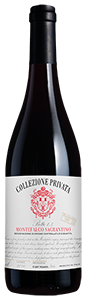 Firm Structured RedsItalySagrantinofrom £20.00 per bottlewhen you mix 12+(£26.67 per litre)SAVE £60.00
 Firm Structured RedsItalyCabernet-based blend£65.00 per bottle(£86.67 per litre)
- Only 6 left
 Ripe Smooth RedsFranceGrenache-based blend£75.00 per bottle(£100.00 per litre)SAVE £15.00
 - Only 47 left
 Firm Structured Reds
 ChileCabernet Sauvignon£41.00 per bottle(£54.67 per litre)SAVE £9.00
Wine FAQs
What defines a fine red wine?
The truth is there is no official definition of fine wine. And you’ll find many different answers if you have a quick search online. To some people, fine wine is defined by price. For others, it’s about a wine’s rarity or reputation. You can read our take in our article on What is fine wine?
Ultimately it comes down to taste. A fine wine should have balance (where the acidity, tannin, sweetness, body and alcohol are all in harmony), complexity (the wine reveals many different layers of aromas and flavours), length (the flavours should last in the mouth) and elegance. It should reflect the unique terroir in which it was grown. And above all, a fine red wine should be a pleasure to drink!
Where do fine red wines come from?
Fine red wines can come from any wine region in the world. Traditionally, the best fine red wines came from Europe, especially the classic French wine regions of Bordeaux and Burgundy. But these days, you’ll find fine red wines made all over the world, from Brunello di Montalcino to Barossa.
That doesn’t mean that provenance doesn’t matter. Only the best vineyard sites can produce truly ‘fine wine’ and an important characteristic of fine wine is that it has a ‘sense of place’.
Do fine red wines age well?
Yes, fine red wines have better ageing potential than regular wines. Fine red wines are more complex and will usually (not always) evolve with age. But there are lots of factors that affect age-worthiness … grape variety, how the wine has been made, and where it’s from. Each wine is different so it’s difficult to make generalisations, but if you’re looking for a fine red wine for ageing, the reds of Bordeaux, Burgundy, the Rhône, Piedmont and Tuscany are a good place to start.
The easiest way to tell whether the wine you choose ages well is to look at the ‘Drink by’ dates on our website. It’s not the same as an expiry date but rather when we think the wines will be drinking at their best.
How do you store fine red wines?
To maintain the quality of your wines as they age, make sure you store them in ideal conditions. Wines should be aged horizontally, out of direct sunlight and with a constant cool temperature. 10-15 degrees is considered the optimum temperature for red wines.
Naturally, a cellar is perfect but not everyone has one! Other options include a temperature-controlled ‘wine fridge’, an outbuilding or garage, or in a storage cabinet kept in a cool place.
Take a look at our 5 tips and tricks for storing wine at home to find out more.
And if you’re looking for long-term storage of fine wine, we recommend you take advantage of our customer storage facility in Gloucester.
Storage is available for any wine you buy from us in our state-of-the-art warehouse. Temperature and humidity are not only monitored in various parts of the warehouse, they’re also actively controlled. Visit our fine wine hub to find out more or call our fine wine team on 03330 148 202.
What is considered the finest red wine?
That depends on who you ask! In terms of what is the most expensive, Domaine de la Romanée Conti in Burgundy still holds the record for the most expensive fine red wine sold at auction.
If you’re looking to get your hands on the world’s most sought-after bottles, from First-Growth Bordeaux to the top Super Tuscans and Grand Cru Burgundy, get in touch with our fine wine team by emailing finewine@laithwaiteswine.com or call 03330 148 202. They’ll be able to offer advice on the best fine red wines to choose and can also help you buy your wines En Primeur, essentially a way of buying wines before they’ve been bottled. You can find out more on our fine wine hub.


