
What is fine wine?
You’ve probably heard people talk about fine wine - but what exactly makes a wine fine? How does a fine wine differ from any other bottle? And once you’ve bought it, how do you store it?
What makes a wine 'fine'?
First things first, there is no official definition of fine wine. To some people, fine wine is defined by price – over £20, £30, £40 a bottle. For others, it’s about a wine’s rarity or reputation.
In truth, there are several factors that affect a wine’s ‘fineness’.
1. Price
The problem with trying to define fine wine by price is that it’s largely subjective.
For some people a £10 bottle is fine wine, for others it’s £100. And while there’s no doubt that fine wine is more expensive than regular wine, it’s not the price itself that makes the wine fine. There are some people who would argue that for a wine to be fine, it needs to increase in value with age.
That’s understandable if you’re a wine investor and collector, but less important for those of us who see wine as something to drink and enjoy!
2. Provenance
Traditionally, fine wines came from the classic French regions, in particular Bordeaux and Burgundy.
It’s still the case today that the Bordeaux 1er Crus Classés and Burgundy Grands Crus are among the most expensive and finest wines in the world. But these days, fine wine can come from any wine region in the world.
That’s not to say that provenance doesn’t matter. Whether it’s Bordeaux or Barossa, only the best vineyard sites can produce truly ‘fine wine’.
3. Rarity
Because fine wines tend to come from specific vineyards or estates, quantities are often very limited. It’s not the case that all fine wines are rare, but it is fair to say that fine wines are made in smaller quantities than regular wines.
4. Reputation
Does a wine need to be famous to be a fine wine? Does it need to have top scores from the wine experts?
Some people think so. And it certainly helps its value at the upper echelons of Bordeaux and Burgundy. But we believe there are plenty of fine wines out there that have yet to even be discovered. That’s the beauty of wine, it’s a constantly changing scene, and there are always new wines and new producers to uncover.
5. Ageing and age-worthiness
How is fine wine aged? And does fine wine age well? Well, most fine wines are aged in barrel at the winery before they are bottled. But even that’s not clear cut.
Some whites, like Sancerre, are rarely barrel-aged, and there are plenty of examples of Sancerre that we would consider to be fine wine. As for does fine wine age well.
Yes, fine wines have better ageing potential than regular wines. Fine wines are more complex and will usually evolve with age. But there are lots of factors that affect age-worthiness… grape variety, how the wine has been made, and where it’s from.
People sometimes ask us does fine wine expire? No wine lasts forever (although there are people who think the world’s oldest wine at 1,700 years old could still be drinkable!). And while you won’t find a shelf life on a bottle of fine wine, you will find most wine sellers recommend a drinking window – when they think the wines will be drinking at their best.
6. A sense of place
This is a key one. Fine wine should reflect the place that it comes from. Or what is often referred to as terroir.
For example, thanks to the region’s cool climate and Kimmeridgian soils, Chablis has a purity and mineral quality that makes it distinctly different to Chardonnay grown anywhere else in the world. Fine wines should have that clear sense of place.
7. Made with care
The dictionary definition of ‘fine’ is ‘of very high quality’ and fine wine, quite simply, should be a wine of very high quality. This means wines that have been made with lavish care and attention, and where quality isn’t compromised for quantity or cost.
8. Taste
All the above can impact whether a wine is fine or not, but ultimately it comes down to taste. A fine wine should have;
- Balance - where the acidity, tannin, sweetness, body and alcohol are all in harmony
- Complexity - with the wine revealing many different layers of aromas and flavours
- Length - the flavours should last in the mouth
- Elegance - above all, a fine wine should be a pleasure to drink!
As you can tell, what is fine wine is not an easy question to answer. Perhaps the best response is you’ll know when you taste one!
How do you store fine wines?
To maximise longevity and preserve flavour as it ages, storing wine in the right conditions is essential. Fine wines are particularly sensitive to their environment, and even small fluctuations can affect how they develop over time.
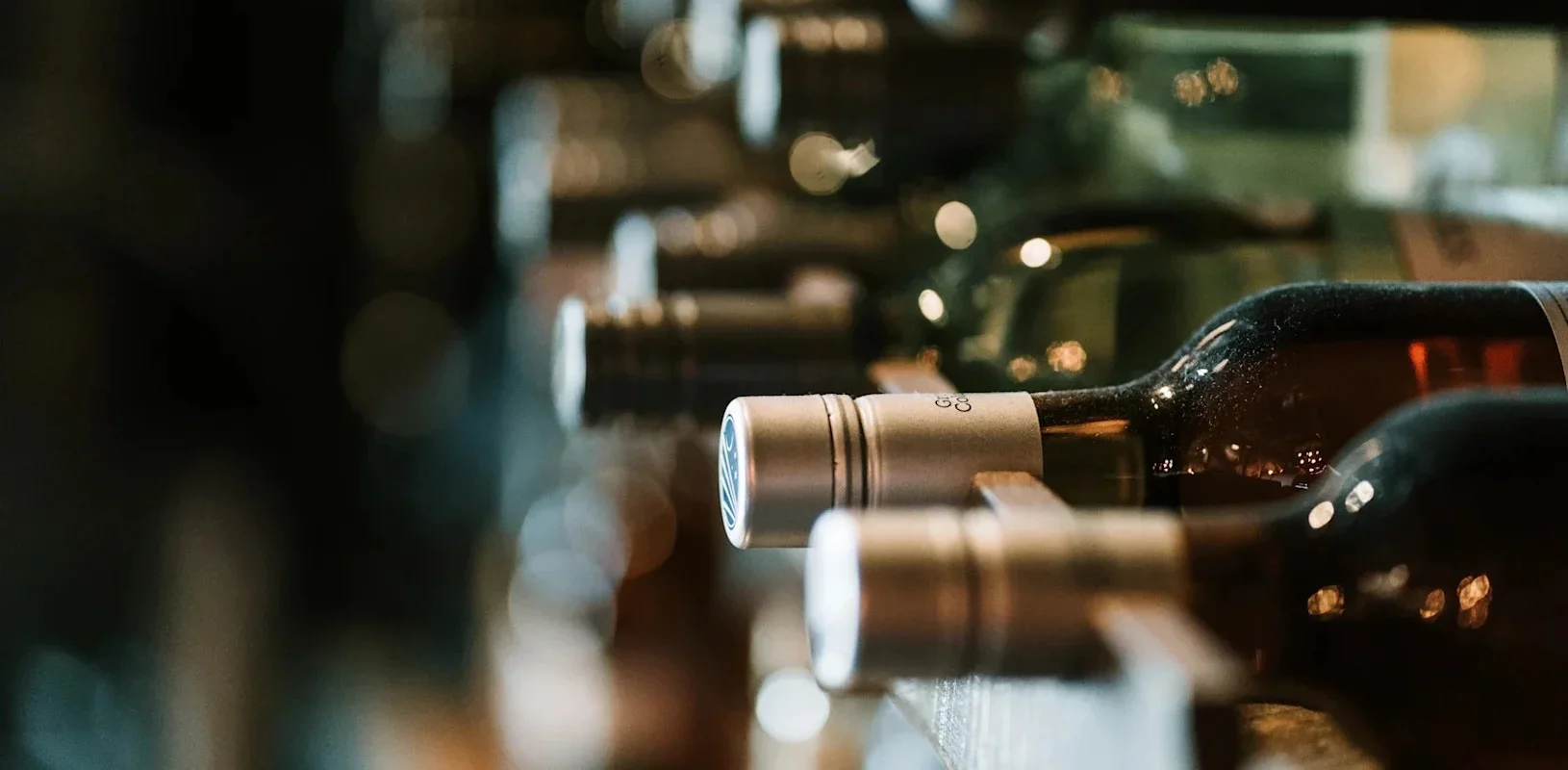
Ideally, wines should be aged horizontally, keeping the cork moist and airtight, and at a cool, stable temperature. Wine also benefits from being kept away from direct light, heat, and vibrations.
A traditional wine cellar is perfect, but a temperature‑controlled wine fridge is an excellent alternative. Designed specifically for wine storage, they maintain consistent conditions year‑round.
If you want to skip the specialist equipment, choosing the coolest, darkest, most undisturbed place in your home will help protect your fine wine until it’s ready to drink.
We stop at nothing to bring you great wine
Whether you’re looking for a hedonistic treat or an investment, we’ve got you covered. Explore our collection of the best Cru Classé Bordeaux, hallowed Grand Cru Burgundies, Vintage Champagne and legendary New World icons.
About the author
Sarah Turner
Sarah is a wine writer and editor with over 25 years’ experience in the world of wine. She began her career in retail, passing the WSET Level 4 Diploma, before becoming a supermarket wine buyer and finally finding her home in our creative team. Her love of food, wine and travel has taken her all over the world, but she has a soft spot for Portugal’s Douro Valley and the sherries and tapas bars of Andalucia.