
- Home
- blog
- wines around the world
- Discover Bordeaux's Key Wine-Growing Regions
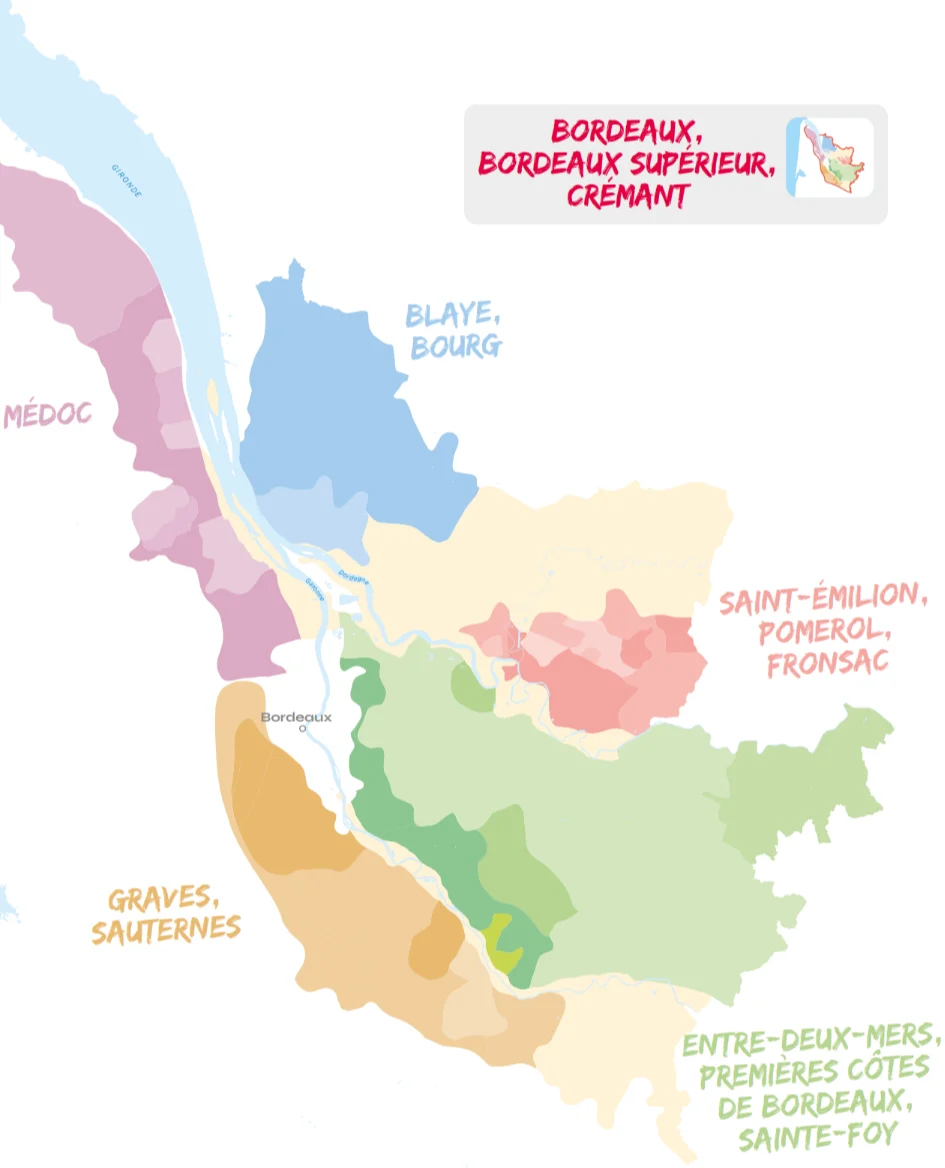
The Médoc
The red wines
The Médoc along with its big brother, the Haut-Médoc, is one of Bordeaux’s most revered regions, home at the top end to the communes of Pauillac, Margaux, Saint-Julien, Saint-Estèphe, Listrac and Moulis. To the east lies the Gironde estuary and to the west extensive pine forests which protect vineyards from the harsher elements of the Atlantic Ocean.
Today, the Médoc is best known for its Cabernet Sauvignon-based reds – firm, dark clarets, often matured in oak barrels that can cellar very gracefully. With a steadily warming climate, these red Bordeaux wines tend to be full-bodied, with velvety fruit and firm tannins. Open young wines early and decant to let the wine breathe and the flavours open out or cellar your bottles.
The white wines
However, red wines aren’t the only story in the Médoc – the region’s great whites are making a comeback! White wines were, in fact, produced in the Médoc as early as 18th century and since the 1980s, slowly, slowly, there has been an increase in the number of white grapes planted. Most exciting today is the introduction of the Médoc Blanc appellation, with the first wines available from April 2026.
These white wines can be made from Sauvignon Gris, Sémillon or Muscadelle or a mixture of all three, with at least 30% of the wine aged in oak for a few months or more. Intense mineral-driven freshness, with a roundness from the oak, these wines can be savoury and complex and are best served with food.
Graves-Sauternes
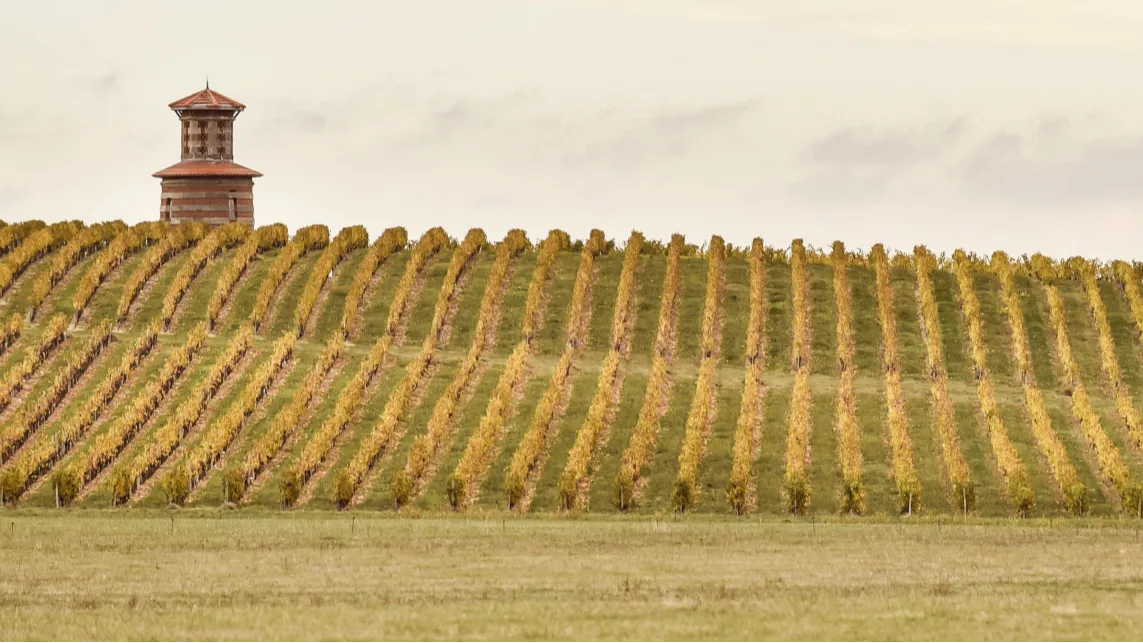
Bordeaux’s Graves-Sauternes is known for being the birthplace of Bordeaux wines. It’s where the first wine was shipped to England in the 12th century. An extensive region of 3,350 hectares of vineyard, it stretches south of Bordeaux city with the Garonne River to the north and the Ciron river to the south.
Red wines
As the Graves part of its name suggests, its soil is gravelly like the Médoc region to the north of it. So, no surprise, it produces silky, elegant, often barrel-matured red wines based mostly on Merlot (59%) and Cabernet Sauvignon grapes. Its finest examples come from the subregion of Pessac-Léognan, but they tend to be a little more pricey.
White wines
The Graves is also well known for its dry white wines and they come in two distinct styles. There are the vibrant, citrus-edged and floral-scented dry whites, ready for drinking in their youth. The second style is rounder, more complex and barrel-matured and can benefit from a few years’ ageing. For an affordable taste of the style, try Château Couhins on our list.
Sweet and Dessert wines
Finally, there are the world-famous sweet wines from the Graves subregions of Sauternes and Barsac. Mists created by the nearby Cirons river helps deliver botrytis cinerea – also known as noble rot. This heaven-sent malady pierces the grape’s skin, so the berry loses moisture while sugar concentration increases to produce the amazing, sweet wines of the area. So sweet, they can age for decades or simply crack open a bottle when the moment takes you with a slice of cake, creamy fruit tart or some blue cheese.
Whether dry or sweet, these wines are made nearly all from Sémillon and Sauvignon Blanc, with a touch of Muscadelle.
Bordeaux’s Libournais
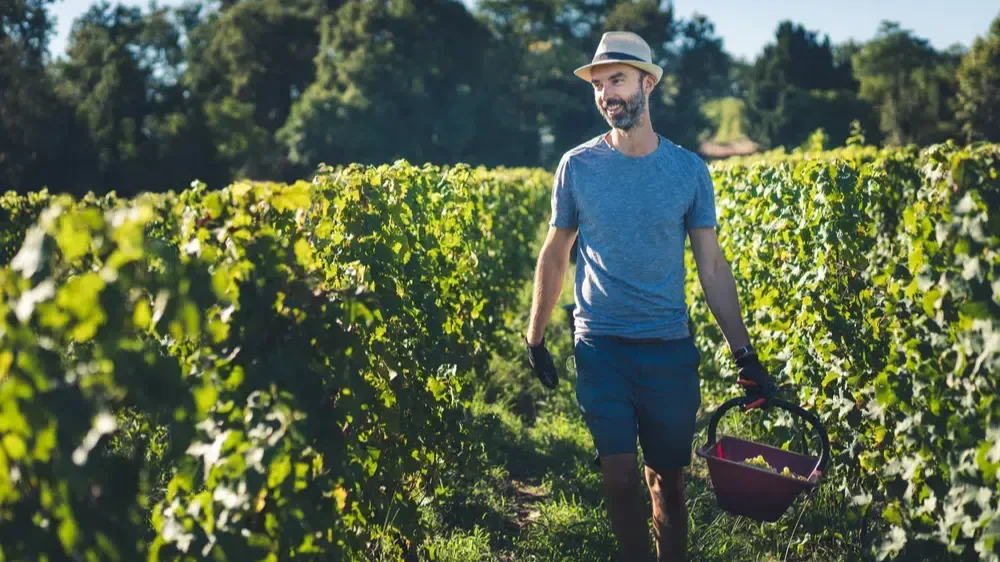
The Libournais lies on the right bank of the Dordogne River and comprises the famous regions of Pomerol, Saint-Émilion and Fronsac plus next door Castillon Côtes de Bordeaux. This is firmly Merlot territory, a grape that loves the limestone and clay soils of the gently sloping hills of these regions, supported by the firmness and depth of Cabernet Sauvignon.
Pomerol, Saint-Émilion and Castillon Côtes de Bordeaux are silky, elegant, rounded and fruit-forward red wines, with a lovely depth. Many have the potential for long ageing if you don’t mind the wait, but the forward fruit style of the wines means they are also a joy to drink in their youth.
Fronsac
Fronsac and its 800 hectares of vines lie just 30km east of Bordeaux, with a unique microclimate created by the nearby Isle River that flows into the Dordogne. An impressive 85% of Fronsac’s estates already have environmental certification HVE. A passion for nature aside, Fronsac’s red wines tend to be firmly structured, still with Merlot’s opulence, blended with portions of Cabernet Sauvignon and Cabernet Franc.
Pomerol
Pomerol is a very small region and since its meteoric rise in the 1980s, its wines have been much in demand. It has no grading system – its wines simply go by reputation. Unfortunately, they never come cheap but are well worth exploring.
Saint-Émilion
Saint-Émilion, however, has created its own system of classification – Premier Grand Cru Classé, Grand Cru Classé, Grand Cru or simply the Saint-Émilion appellation name – with reclassifications every ten years.
Saint-Émilion is, of course, one of Bordeaux’s most famous wine regions, renowned for its silky, elegant, fruit-filled reds of great charm, longevity and finesse. It has been making wine for, remarkably, more than 13 centuries ... since the Benedictine monk called Emilion settled there in the early 8th century and invited a few of his fellow Benedictines to join him.
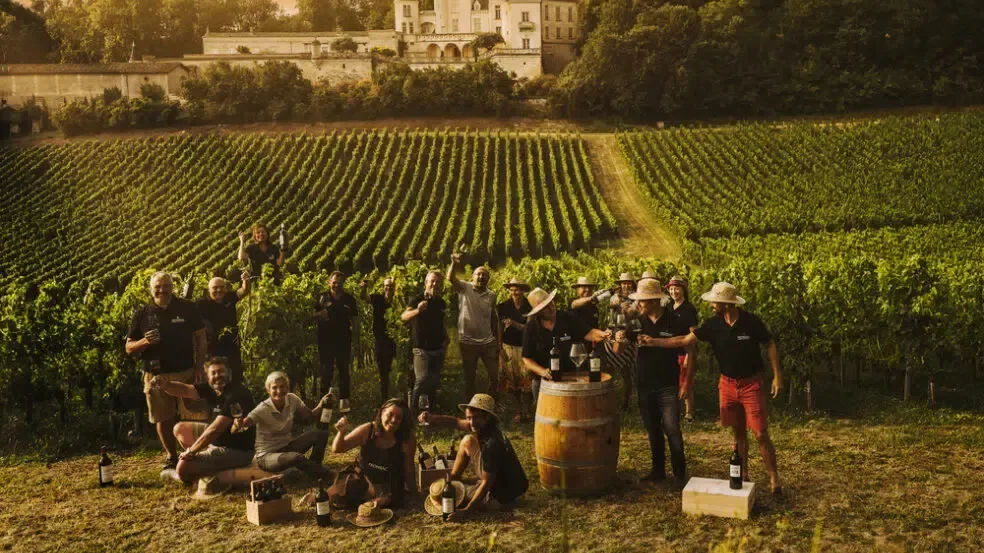
Today it has 5,400 hectares of vineyards tended by 700 growers, nearly all family-owned and passionate about what they do – growing the very best grapes in chime with nature. It boasts a complex patchwork of soils, its finest covering the prized aerated-limestone plateau, with gently rolling hills and (for now) a temperate climate. Merlot is its queen of grapes, supported first by Cabernet Franc and a little Cabernet Sauvignon, with Malbec, Petit Verdot and Carmenère on the sidelines.
It’s a very beautiful landscape and the first, in 1999, to be granted UNESCO World Heritage Status. Explore the whole range – from the affordable and delicious to the sublime and pricey.
Castillon Côtes de Bordeaux
Castillon Côtes de Bordeaux also has no classification system but with many famous Bordeaux winemakers buying up châteaux there, the region is firmly on the up. Its wines are again Merlot-centred, with support from both Cabernets and sometimes a little Malbec, with the best reds barrique-matured. They can be enjoyed after a year or two’s ageing or cellared for a decade or more.
The White wines of the Libournais
All these appellation names apply to red wines only. Currently its white wines must be labelled simply as Bordeaux Blanc. However, like Médoc Blanc, this may change. Sémillon, Sauvignon Gris and Sauvignon Blanc are the main players in the white wines, the first two producing richness, roundness and weight, while the Sauvignon Blanc lends the spring-in-the-step citrus freshness and grassy aroma. Like the Graves, its whites come in two styles – fresh, aromatic and crisp for early drinking or barrel matured with richness and complexity.
Tony Laithwaite has been the proud owner of Château La Clarière in Castillon since 1980 and has long been making exceptional wines, both red and white … even a crisp rosé
The Entre-Deux-Mers
Extending over 7,000 hectares, the Entre-Deux-Mers is the largest subregion in all Bordeaux. It was awarded AOP status in 1937 but that was only applicable to its dry white wines until a change in the rule in 2023.
The region lies between two ocean-influenced rivers – the Garonne to the south and the Dordogne to the north – hence its name ‘between two seas’. Within those 7,000 hectares, the land enjoys a wide variety of exposure and soils, growing Bordeaux’s classic varieties, and as a result produces a wide range of wine styles all attractively priced. It has a great reputation for value.
85% of the area’s vineyards are planted to red grapes but as mentioned above, it’s only since 2023 that producers have been able to apply the ‘Entre-Deux-Mers’ name to its reds. Before that, they were simply labelled Bordeaux AOP. These wines tend to be some of the most approachable and fruity in all Bordeaux, with a soft touch of oak and sometimes no oak at all. Entre-Deux-Mers’ dry whites focus largely on Sauvignon Blanc and Sémillon, sometimes with a touch of aromatic Muscadelle. These wines are crisp and lemony fresh, often best drunk young, but a few are barrel-matured and will age gracefully.
The region’s delicate rosés are definitely worth looking out for – mostly Merlot or Cabernet based, they show delicate berry fruit with a crisp, lemony edge. For those looking for a more deeply coloured pink, there’s also clairet – halfway between a light red and a rosé. Entre-Deux-Mers winemakers also make a delicious fizz – Crémant de Bordeaux – a welcome addition to any occasion.
Blaye, Bourg
Introducing Blaye Côtes de Bordeaux
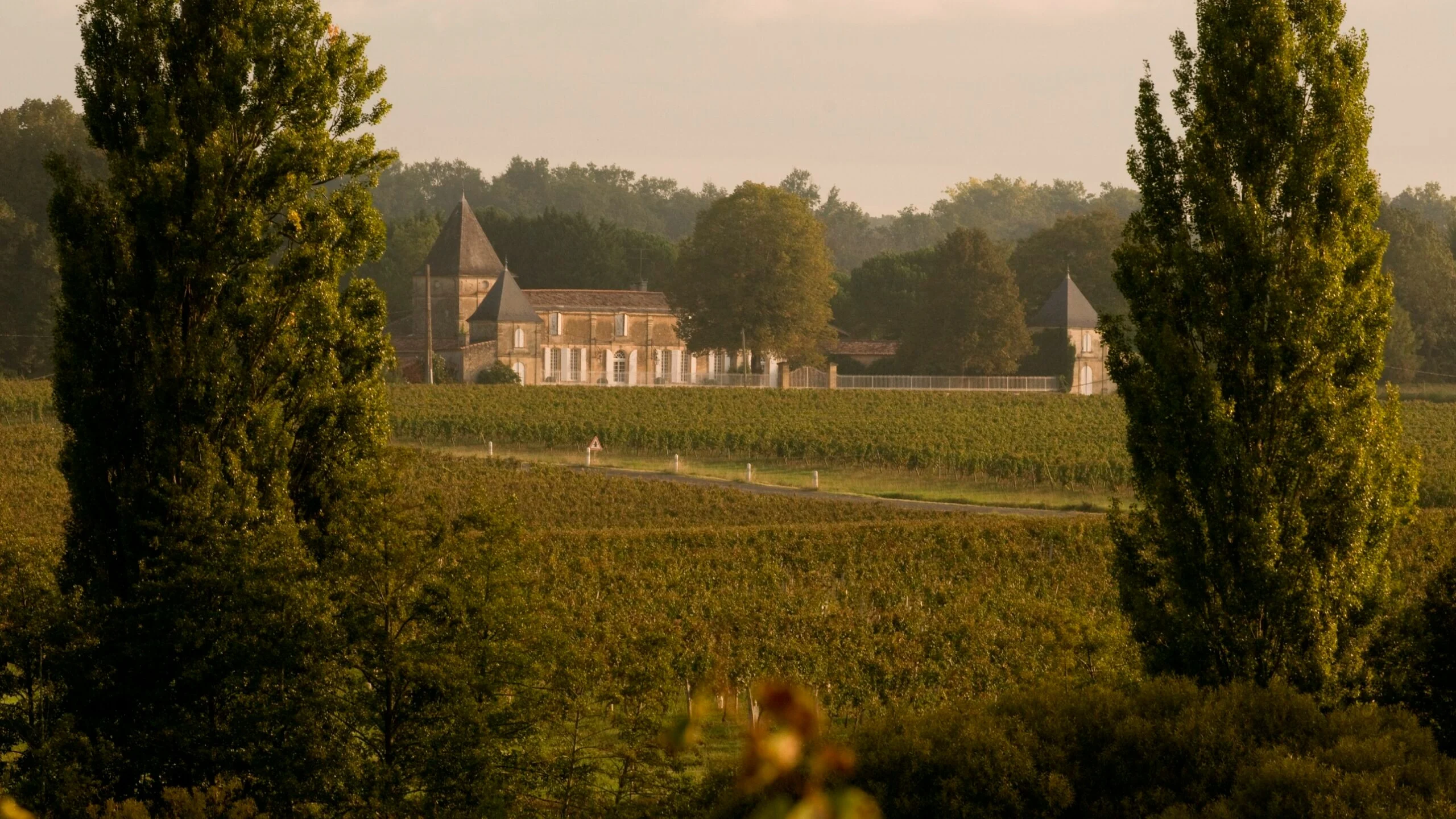
Overlooking the Gironde estuary, Blaye comprises 5,600 hectares of vines tended by 400 growers. These viticulteurs pride themselves on their environmental awareness, 35% of them already organic or in conversion and 93% with some sort of environmental certification.
On its rolling hillside vineyards, especially on the clay-limestone soils in the west, it largely promotes the Merlot grape making deeply coloured red wines full of fruity depth and roundness, with support and structure from both Cabernets and Malbec. These are the wines it is most proud of and may carry the Blaye Côtes de Bordeaux appellation name.
Look out too for its crisp, citrus-and-berry-fruit rosés, the juice quickly taken off the grape skins to retain a delicate pale hue.
Sauvignon Blanc is the main player for its crisp citrusy-fresh whites (labelled simply as Bordeaux AOC), with Sémillon and Muscadelle adding roundness and aroma. These grapes are better suited to the sand and gravel soils in the north of Blaye.
Some of its best reds are made by Christophe Reboul Salze at Château Gigault. Enjoy his Cuvée Viva – consider a standard bottle or even better, treat yourself to a double magnum!
Bourg and Côtes de Bourg
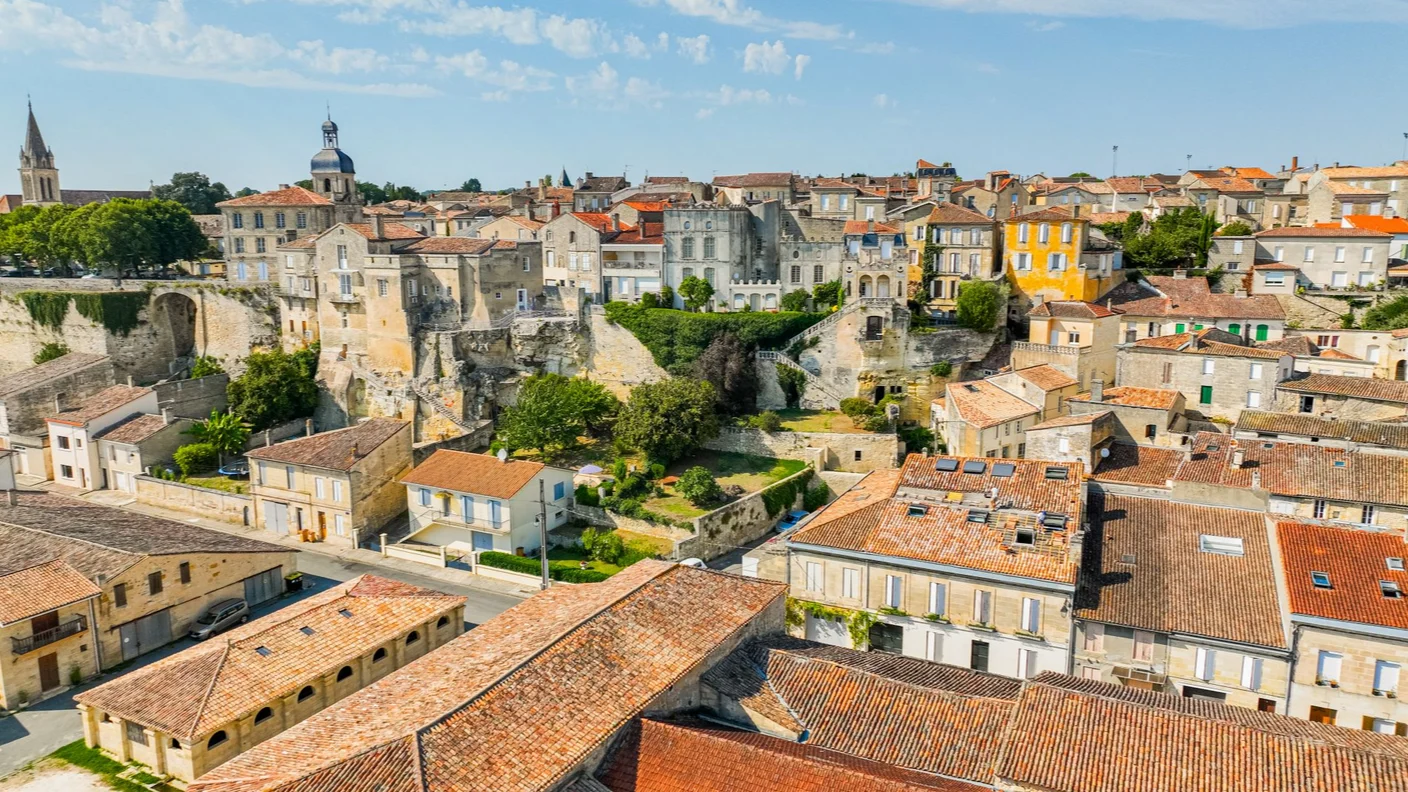
South of Blaye and over the river from the Haut-Médoc vineyards, discover the vineyards of Bourg and Côtes de Bourg that date back to the 2nd century AD. Its rugged, steep hills and valleys follow the contours of the Dordogne river and the Gironde estuary.
Red and white wine styles
Although the region does make crisp, mineral-fresh white wine from its classic grape varieties Sauvignon Blanc (41%), Sémillon (23%), Colombard (23%), Muscadelle and Sauvignon Gris, it is red wines that account for 99% of production. And among the red grapes, its Merlot that calls the shots, accounting for 65% of plantings. This grape brings ripe plum fruit to the mix along with smooth, silky roundness, while Cabernet Sauvignon adds structure, tannins and depth, Cabernet Franc elegance and freshness, and Malbec lends a touch of exotic spice and violets. Malbec has always been a favourite of this region and today accounts for 10% of vines.
Sustainable viticulture
Like its neighbours in Blaye, the region’s 250 growers are committed to working with nature and promoting environmental values. 25% of them are organic or in conversion and 84% of them are signed up to HVE (haute valeur environmentale).
Bordeaux and Bordeaux Supérieur
Wines from Bordeaux and Bordeaux Supérieur appellations are joyful, fruity and approachable – great styles for all occasions. Best of all they are highly affordable. Both these areas stretch across the rivers – in fact, they encompass the entire Bordeaux’s wine-growing region. Unsurprisingly this results in a myriad of terroirs ... all are shaped to an extent by the Atlantic Ocean and its tributary rivers.
There are more than 34,000 hectares of vines for the plain Bordeaux appellation, whereas the ‘Supérieur' AOP is a little over 12,000 and has tighter restrictions on yields, ripeness and ageing. Expect darker, more intense reds, often with some oak-ageing from Bordeaux Supérieur, yet still with appealing, ripe silky fruit. Bordeaux Supérieur whites are sweet with lovely balancing freshness.
Styles from Bordeaux
The plain Bordeaux appellation has more styles to discover. Their reds tend to be generously fruit-filled, easy to enjoy but still with elegant structure. There are two types of pink – clairet which is a dark pink, almost a light red, with deep fruit and freshness, an excellent meaty barbecue partner. Bordeaux Rosé is more delicate and pale with bright berry notes and lemony acidity – ideal as a solo glass or with seafood and lighter dishes. White wines also come in two guises – dry and sweet – but the vast majority are crisp, dry and lemony fresh. Basically, there’s a wine style for every occasion when you look to Bordeaux and Bordeaux Supérieur appellations.
Crémant de Bordeaux
If you enjoy a glass of classy fizz at a sensible price is well worth looking out for Bordeaux’s delicious crémant – sparkling wines made by the traditional method like Champagne. These bubblies can be either white or rosé and come in styles from dry to demi-sec. Grape varieties vary too, but the white fizz tends to be made from Merlot, Cabernet Franc and/or Sémillon, while the pink sparkling wines can be made from any of Bordeaux’s red varieties. These will add glamour and sparkle to any occasion.
The spirit of Bordeaux
Little known is the region’s fine de Bordeaux – a brandy made from the distillation of Bordeaux’s white grapes. You may have to travel there, however, to discover the best of these as they are rarely exported.