
- Home
- blog
- wines around the world
- Guide to Bordeaux Wines
A Quick-Start Guide to Bordeaux Wines
Bordeaux is home to some of the most sought-after red wines on the planet – famous for their elegance, complexity and ability to age.
While red wine rules the roost here - accounting for around 85% of total production - the 'Bordeaux' name also guards a hidden treasury of elegant whites, refreshing rosés, and under-appreciated crémants.
Discover exactly what makes Bordeaux so special, and how to pick the perfect, underrated bottles.
Why Bordeaux is special to Laithwaites
It’s hard for us not to love this corner of Southwest France.
After all, it’s where we started.
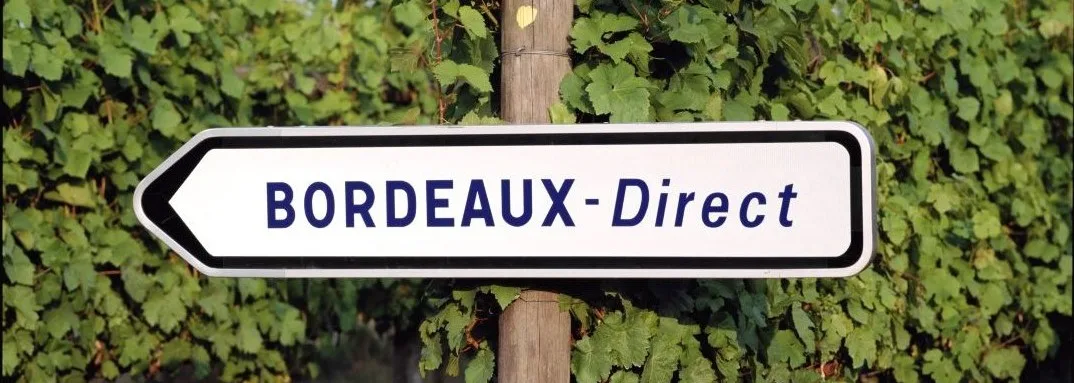
Having spent summers working in Bordeaux vineyards as a student in the ‘60s, Tony Laithwaite set about sourcing characterful claret to share with wine lovers in the UK. That’s when he founded Bordeaux Direct in 1969, spending the following years collecting wines from all over France and driving them back to the UK in his Ford van.
The rest, as they say, is history. But back to Bordeaux …
The Timeless Terroirs of Bordeaux
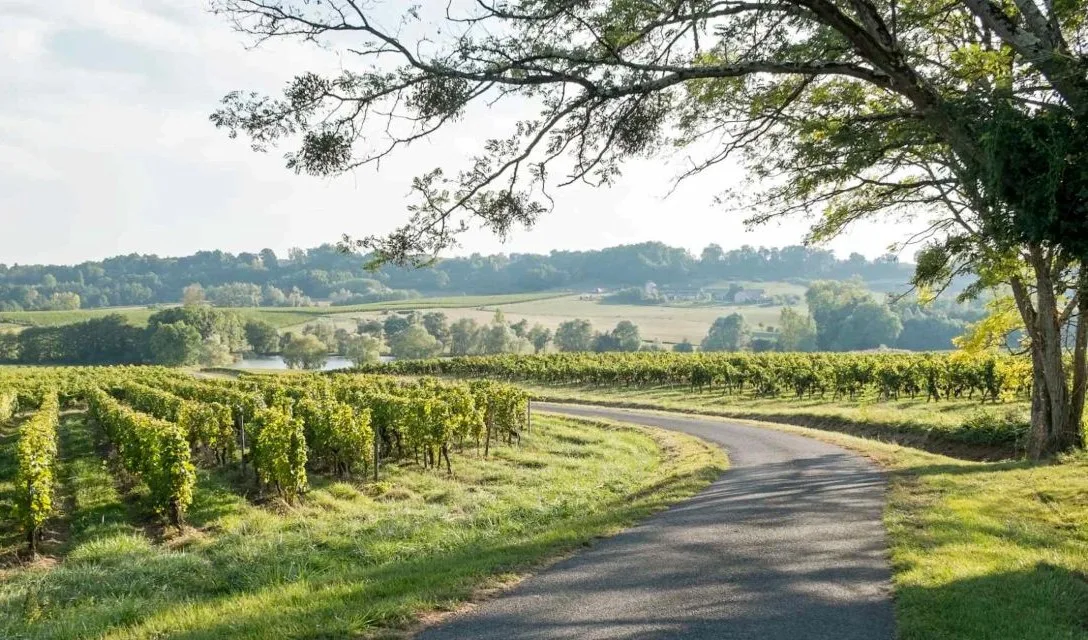
Bordeaux is a wine lover’s dream. Nestled in the heart of southwest France, Bordeaux unfolds across 110,000 hectares of rolling, vineyard-clad hills. A bustling hub of winemaking, this region is home to nearly 9,000 producers across 57 unique appellations.
Here, the Atlantic Ocean dictates the rhythm of life, offering a maritime climate with moderate winters and warm summers - although this is becoming increasingly unpredictable with shifting global temperatures.
Despite these rising challenges, this renowned region produces over 600 million bottles of wine each year, ranging from your cosy everyday table wine to reds celebrated by wine connoisseurs worldwide.
key appellations in Bordeaux
Bordeaux offers two distinct wine experiences: the Right Bank and the Left Bank.
Venture to the ‘Right Bank’ - rich with clay and limestone soils - and you’re in Merlot country, home to legendary names like Petrus and Le Pin.
Explore the ‘Left Bank', and you’ll discover gravel soils ideal for Cabernet Sauvignon, giving rise to some of Bordeaux’s most prestigious châteaux and classically structured reds.
Right Bank Bordeaux
Nestled on a limestone plateau on Bordeaux’s Right Bank, Saint-Emilion’s chalky-clay soils make it the perfect breeding ground for Merlot and Cabernet Franc. Its wines are prized for their finesse, fruity character and velvety tannins.
Pomerol, Bordeaux’s smallest appellation, is home to some of the most collectable wines in existence. Merlot is king here, and the region’s iron-rich clay soils show off the grape at its best via powerful wines of extraordinary depth.
Left Bank Bordeaux
The wines from Margaux are celebrated for their silkiness, floral perfume and unrivalled elegance. Home to First Growth Château Margaux, the area’s pebble-rich soils encourages deep root growth, which results in high-quality grapes.
Home to Lafite, Latour and Mouton Rothschild, Pauillac is hallowed ground in Bordeaux. Benefitting from the natural drainage provided by its gravel soils, its wines offer an enviable balance of power, finesse, concentration and vivacity.
Saint-Estèphe is Bordeaux’s northernmost commune, and the wines from the area are known for their savoury, earthy character and tannic profile, resulting from a slightly cooler microclimate and a gravel/clay mix in the soil.
Saint-Julien has a fairly uniform gravel surface, including a complex clay and limestone soil layer that makes its wine production quite diverse.
Located southeast of the city of Bordeaux, Graves takes its name from the deep, gravel-rich soils of the region. It’s renowned for its dry whites made from Sauvignon Blanc and Sémillon, as well as the sweet wine Sauternes.
Inside the Classic Bordeaux Blend
Replicated the world over, the classic Bordeaux blend is made from a combination of the region’s four leading red grapes – Cabernet Sauvignon, Merlot, Cabernet Franc and Petit Verdot – though Malbec and Carmenère sometimes make a cameo.
On the Left Bank, Cabernet Sauvignon dominates the blends, which boast alluring notes of blackcurrant, cedar, graphite, liquorice and mint. The best examples are capable of ageing gracefully for decades and often don’t come into their own for at least ten years.
On the Right Bank, Merlot is the mainstay, often combined with Cabernet Franc for added freshness and a hint of bell pepper. Merlot blends are wonderfully plush and opulent with soft, silky tannins, offering notes of juicy cherry, plum and fig. The best can age for decades.
White Bordeaux wine, or Bordeaux blanc, is a dry white wine usually made from the dynamic duo of Sauvignon Blanc and Sémillon. Underrated on the world stage, Bordeaux blanc delivers a lot on the flavour front with its appealing notes of lemon, pineapple, peach and freshly cut grass.
Sauternes - the region’s sweet wines - are also made from Sauvignon Blanc and Sémillon grapes that have been affected by ‘noble rot’, leading to flavours of apricots, honey, peaches, dried pineapple, marmalade and baking spices.
Understanding Bordeaux’s wine classifications
Bordeaux is classified in more detail than any other wine region, with its 57 appellations covered by five different classifications:
- 1855 Classification
- Saint-Emilion Classification
- Graves Classification
- Cru Bourgeois Classification
- Médoc Cru Artisans Classification
At the top of the pyramid are the five First Growths: Lafite, Latour, Margaux, Mouton Rothschild and Haut-Brion.
Beneath them, the remaining Classed Growths are divided up into Second, Third, Fourth and Fifth Growths, with châteaux release prices and market demand reflective of their positions within the hierarchy.
Wine Classifications: Understanding Labels from France, Italy, Spain & Beyond
How to serve Bordeaux
To truly appreciate the complexity, it’s worth paying a little extra attention to how you serve French Bordeaux wines.
Temperature is key – Start by getting the temperature just right. A Bordeaux is best enjoyed at around 16-18°C. Too warm and the alcohol becomes pronounced. Too cold and you’ll mask its intricate flavours.
Decant before serving – Bordeaux wines, especially the reds, benefit greatly from decanting. This allows the wine to breathe, softening the tannins and letting the layered flavours blossom. Gently pour the wine into a decanter and let it rest for at least an hour.
foods to pair with Bordeaux
When it comes to pairing, Bordeaux wines are versatile companions at the dinner table.
White Bordeaux complements lighter fare such as fresh seafood and tangy cheeses. Think grilled sea bass or oysters, where the wine’s acidity acts like a squeeze of lemon. A white Bordeaux's herbaceous undertones can also pair beautifully with a classic goat’s cheese or a sharp feta.
For heartier dishes, like steak or a roast lamb, you'll need a red Bordeaux that can stand up to intense savoruy flavors while cutting through the richness of the fat.
A full-bodied Cabernet Sauvignon/Merlot blend can do just that, with complementary dark berry notes and enough tannins and structure to hold its own.
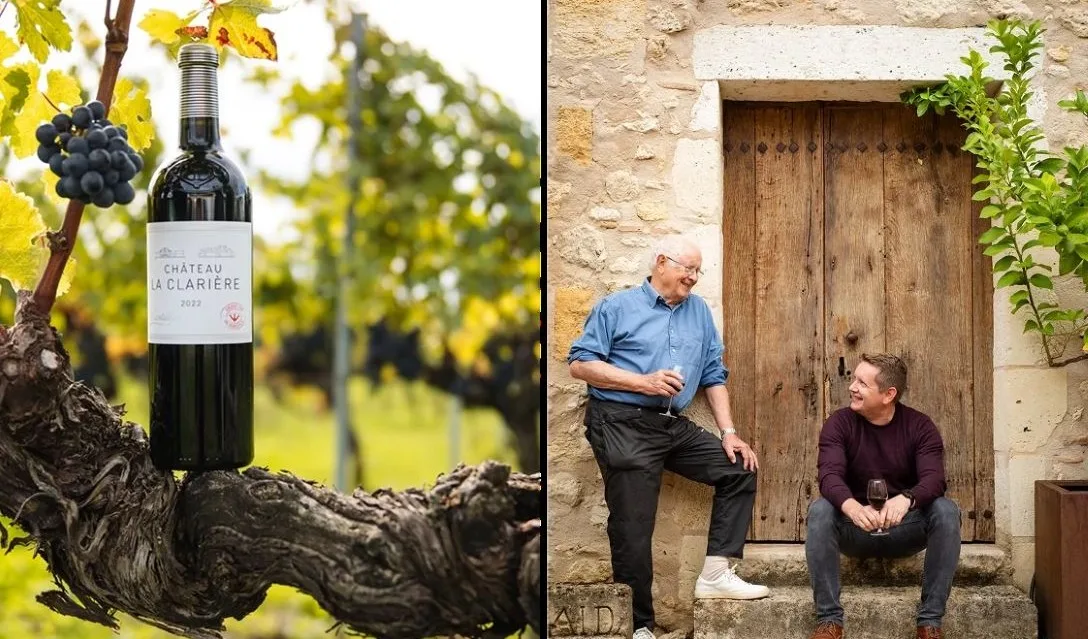
Tip From the Tasting Room: Château La Clarière - Tony Laithwaite's own Bordeaux estate red. With four Trophies and 80+ Golds, this bottle is clear proof that Castillon wines can surpass those of next-door Grand Cru St-Émilion.
We stop at nothing to bring you great wine
For over 50 years we've been on a mission to bring you great wine direct from independent wineries around the world. We taste over 40,000 bottles a year to find the 800 or so that make the final cut. Juicy reds, refreshing whites, tasty rosés, thrilling sparkling wines – you'll find them all here.
About the author
Sarah Turner
Sarah is a wine writer and editor with over 25 years’ experience in the world of wine. She began her career in retail, passing the WSET Level 4 Diploma, before becoming a supermarket wine buyer and finally finding her home in our creative team. Her love of food, wine and travel has taken her all over the world, but she has a soft spot for Portugal’s Douro Valley and the sherries and tapas bars of Andalucia.