
HOW TO PICK the Perfect Corkscrew
You’re ready to enjoy a glass of your favourite wine, bottle at the ready. Only one thing stands between you and that first delicious sip. The cork.
Whether you're looking for the ultimate effortless opener or dealing with a crumbled cork, here's everything you need to know to get the wine flowing.
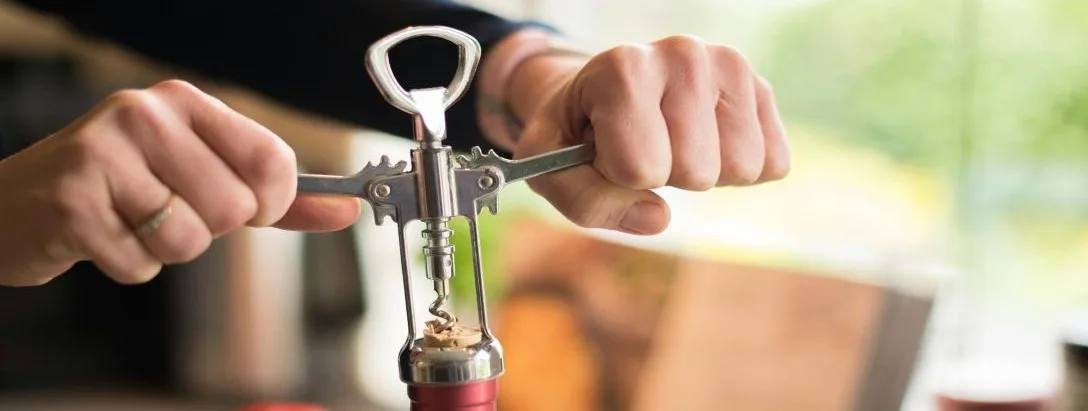
Number 5 – The wing corkscrew
You’ll be familiar with this style of corkscrew – a staple of UK kitchen drawers since at least the 1970s. They’re easy to operate and there’s something satisfying about the way the cork slowly rises up as you push the levers down. But they can be a bit of a faff.
Pros: Fairly easy to use.
Cons: They often have a central core that destroys the cork – avoid these at all costs.
Number 4 – The two-pronged or ‘ah-so’ corkscrew
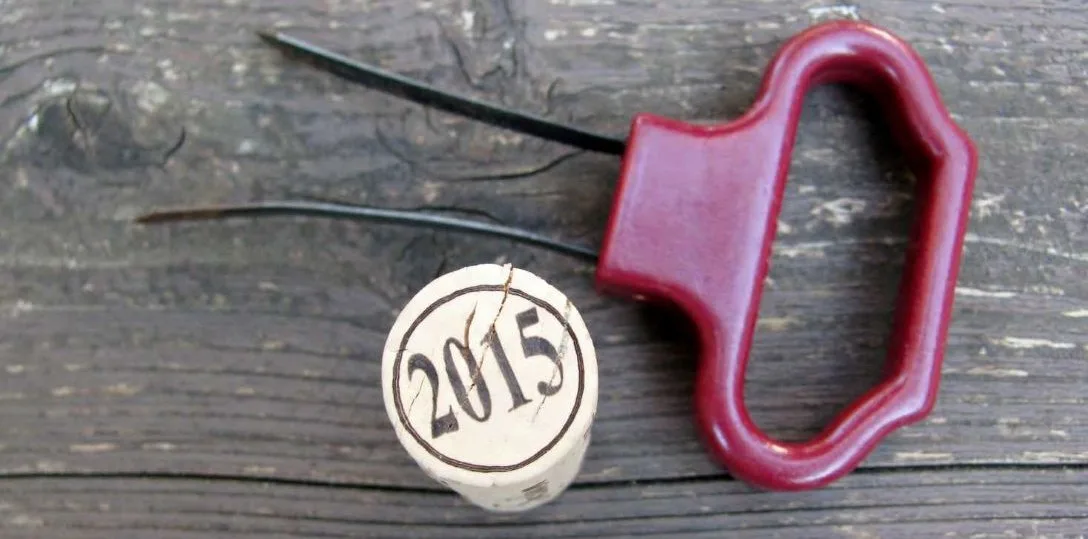
This unusual corkscrew looks like a twist-and-pull (see below) except it has two long flat blades, one slightly longer than the other.
Remove the foil, push the blades down the sides of the bottle with a back-and-forth action, and once it’s in, twist and pull to remove.
Pros: A great option for old or crumbly corks.
Cons: Takes time and can be fiddly to use.
Number 3 – The lever action corkscrew
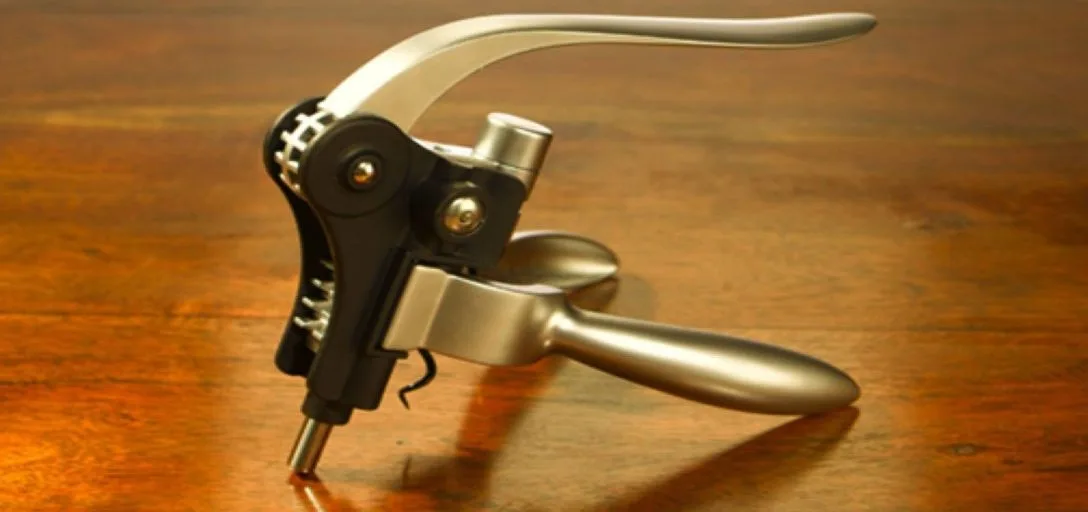
The cleverly designed lever action corkscrew makes it really easy to extract a cork from a bottle.
No need to twist the screw into the cork – just push the lever down then pull it back up. It can struggle with synthetic corks, however.
Pros: Super easy to use and gentle on the cork.
Cons: Quite a bulky item to carry around or keep in your drawer.
Number 2 – the twist and pull corkscrew
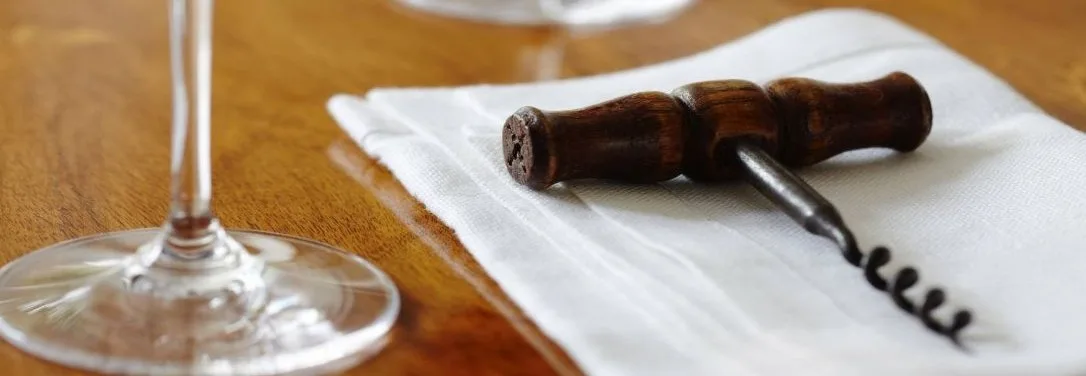
If you don’t mind using a bit of elbow grease, the traditional twist and screw corkscrew is still a great option. It also comes as standard on a Swiss army knife.
For the best results, steady the bottle between your knees and hold with one hand while pulling with the other.
Pros: Still the best way to get that satisfying ‘plop’ sound.
Cons: Can be a bit awkward to use. Caution advised especially with tougher corks.
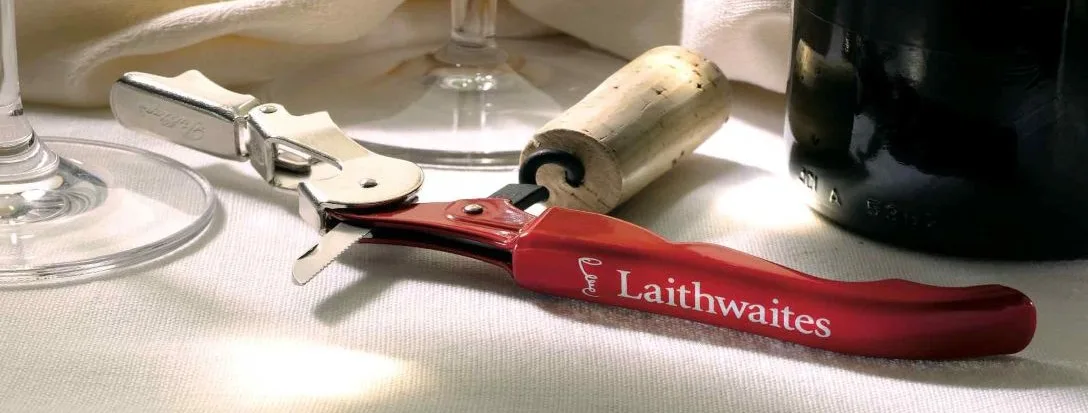
Number 1 – The waiter’s friend
Ask any wine professional and they’ll swear by the waiter’s friend corkscrew.
A variation on the twist and pull, but with a handy lever that makes it a doddle to remove even the toughest cork.
Plus, it comes with a built-in blade for removing the foil.
Pros: The quickest and most reliable way to get a cork from a bottle.
Cons: Can take a couple of goes to get the knack of using it.
How to remove a damaged cork
Picture the scene. You are about to enjoy a special bottle you’ve been cellaring for years.
You twist in the corkscrew and gently pull on the handle – only to extract a few crumbly bits of cork. Worse still, there’s now a big hole in the cork – what do you do now?
The best solution is to use a two pronged or ‘ah so’ corkscrew. Slip the prongs down the sides of the cork and twist and pull – problem solved.
If you don't have an ah so corkscrew, there are a few alternative methods you can try.
Sliding a normal corkscrew into the side or the cork will often do the trick. As a last resort, push the cork down into the bottle with the handle of a wooden spoon. Remove any lose bits of cork to minimise crumbs in your wine.
Corks vs screw caps – Which is best?
I put this question to Greg Roberts, our in-house product specialist and wine educator. His response? “I honestly don’t care whether my wine is sealed with a screw cap or a cork – it’s what’s in the glass that counts”.
But of course, Greg doesn’t speak for everyone – so let’s take a look at each in turn.
A natural cork allows a tiny bit of oxygen exposure, which can help the wine to soften and develop complex secondary flavours over time.
There’s also something uniquely satisfying about uncorking a bottle – although can require a little more effort to open.
Screw caps used to be associated with cheaper, mass-produced wines. But top New Zealand Sauvignon producers saw screw caps as a way to reduce the risk of cork taint, while reliably sealing in those famously exuberant aromas. They’re also easier to open and reseal without needing a corkscrew.
The Verdict: When it comes to quality – there’s little to choose between the two.
Personally, for white wines, especially aromatic styles like Sauvignon Blanc, I’m all for screw caps. I like the convenience of grabbing the bottle from the fridge door and just twisting off the cap before pouring. And of course, it’s just as easy to reseal it and pop it back into the fridge to keep it fresh.
For red wines – especially more traditional wines like Rioja or Bordeaux – I like a cork. There’s something about the ritual of pulling a cork that adds to the overall enjoyment of the wine.
Plus of course, corks are a more environmentally friendly option.
We stop at nothing to bring you great wine
For over 50 years, we've gone off the beaten track to bring you great bottles from independent wineries around the world. We taste over 40,000 bottles a year to find the 800 or so that make the final cut. Juicy reds, refreshing whites, tasty rosés, thrilling fizz - you'll find all sorts of hidden gems in our handpicked wine collection.
About the author
Chris Larkin
A seasoned copywriter with over two decades experience, Chris has been part of the team since 2021. At Laithwaites HQ, you’ll find him either working on our latest catalogue or creating informative content for our website. Qualified to WSET Level 3 Wine, Chris is as geeky about wine as he is about copywriting. But when it comes to choosing a special bottle, he is a traditionalist, and loves a good Bordeaux or Mâcon Chardonnay.