
- Home
- blog
- wines around the world
- Guide to Châteauneuf-du-Pape
A complete guide to Châteauneuf-du-Pape
Châteauneuf-du-Pape is home to some of France’s most premium blends – loved for their bold, sophisticated flavours.
Ask a group of wine drinkers to name a classic fine red, and Châteauneuf‑du‑Pape is almost guaranteed to feature - a name that’s instantly recognisable on a wine list, even to novice wine drinkers.
In this guide we explore what makes it such a fine red, and share recommendations for outstanding bottles to try.
Why Châteauneuf-du-Pape deserves its fine reputation
The most obvious answer is the quality of its wine. Châteauneuf-du-Pape is a hearty red wine that is very easy to enjoy, especially if you like reds with a bit of power.
Châteauneuf-du-Pape wines also have a tremendous quality to price ratio. ‘Very good’ in Châteauneuf costs way less than the same level in Bordeaux and Burgundy.
To underline the region’s dedication to quality, Châteauneuf-du-Pape was the driving force behind the development of the French appellation contrôlée (AOC) system.
Spear-headed by local viticulturalist Baron de Ley, the system was established to protect a wine’s provenance and to reward producers who adhered to higher quality standards. As a result, Châteauneuf-du-Pape became France’s (and the world’s) very first recognised appellation in 1936.
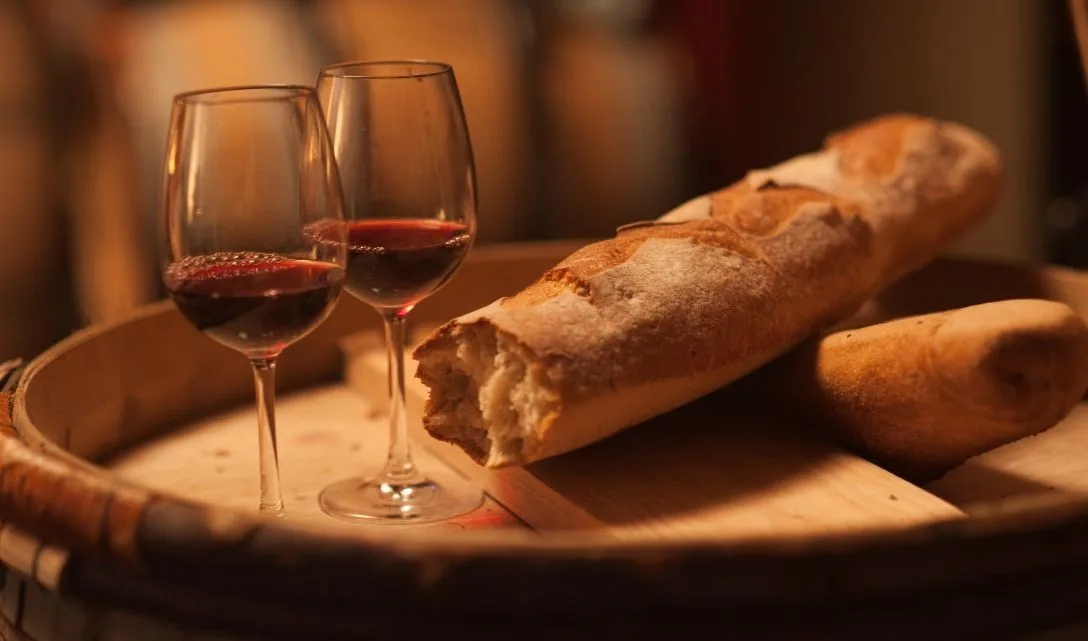
What types of wine are produced in Châteauneuf‑du‑Pape?
More than 90% of wine produced in the appellation is red, but a small amount of white wine is made as well. Both styles are typically rich, rounded and mouth‑filling, making them particularly rewarding when enjoyed with food.
Grape varieties are rarely mentioned on the label, as most wines are blends. Grenache, Syrah and Mourvèdre form the backbone of most reds, but growers are permitted to use up to 13 different grape varieties to allow for distinctive styles.
The signature wine style of Châteauneuf‑du‑Pape
It’s a rich, robust red with a jammy texture and plenty of ripe fruit flavours (think raspberries, plums, blackcurrant and violet).
There are also herbal aromas reminiscent of the ‘garrigue’ scrubland that dominates the local landscape. This becomes more pronounced as the wine ages and develops leather notes and a savoury edge. The wines also have an earthiness and spiciness, and great texture too.
Thanks to the region’s 2,800 hours of annual sunshine, alcohol levels are often naturally high, typically ranging between 13.5% and 15.5%, contributing to the wines’ body and intensity.
And you don’t have to wait an eternity before they’re ready to drink. You can enjoy them in their youth, or lay down the best examples which will gain in complexity and depth.
If you enjoy wines with plenty of fleshy fruit, but also with a degree of maturity and savoury richness, open a top cuvée Châteauneuf-du-Pape any time between five and ten years of age. Sublime.
How Châteauneuf‑du‑Pape Rose to Fame
Although wine had been produced in the area long before the arrival of the papacy, the local wine attained the status of ‘Pope’s Wine’ during the 14th century. And that ascension led to it becoming red wine of choice at many of the great European courts.
By the mid-14th century, nearly half of the land in what we now call Châteauneuf-du-Pape was given over to grape growing. Most of the other French regions which are now renowned for vineyards were still dominated by cereal crops. But the vineyard holdings were small and scattered across a wide area. That’s why the major estates often have vineyards across many different sites to this day.
By the mid-17th century, the area had developed a Europe-wide reputation for great red wine whose style was somewhere between that of the Languedoc and Bordeaux. That claret-style freshness is still a hallmark of the best wines from Châteauneuf-du-Pape.
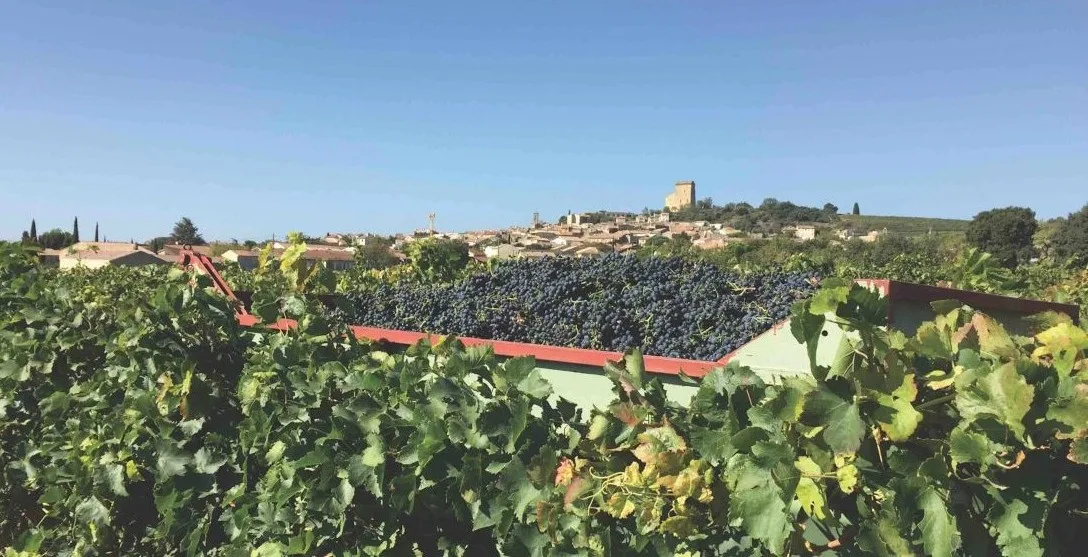
Where is Châteauneuf-du-Pape?
The commune of Châteauneuf-du-Pape is in the Provence-Alpes-Côte d’Azur region, just to the north of the ancient town of Avignon. It’s in the southern Rhône, a wider, flatter and much more expansive area than the northern Rhône. The region acts as a gateway to Provence and the Mediterranean, with Châteauneuf right at its heart.
The vineyards are located around Chateauneuf du Pape and in the neighbouring villages of Bedarrides, Courthézon and Sorgue.
Vintages are generally consistently good as the region has a far more reliable, warmer and drier climate than other great French regions like Bordeaux and Burgundy.
How much Châteauneuf-du-Pape is produced each year?
Okay, are you ready for the number? You might be surprised.
The appellation’s 3,200 hectares of vines produce around 14 million bottles each year. That’s more than the entire northern Rhône region (home to famous appellations Côte-Rôtie and Hermitage).
But despite what might look like a large production figure, there are still only around 300 growers in Châteauneuf-du-Pape, of which around 250 produce and bottle their own wines.
The majority of these are small, family-run producers, responsible for the 100 or so much sought-after Châteauneuf-du-Pape super cuvées.
Tips from the Tasting Room
The beauty of Châteauneuf-du-Pape is that you can enjoy truly classic bottles without having to spend a fortune. Here are our top picks that take you to the very top tier of Châteauneuf quality;
Owned by the Perrin family, this is one of the most highly regarded Châteauneuf-du-Pape estates of all. They use laser sorters to make sure only the ripest grapes are selected, resulting in smoky, concentrated style with incredible freshness and finesse.
This tiny, relative newcomer has forged a huge reputation for its mesmerising, old-vine Châteauneuf. Only 550 cases are made a year – a vibrant, delicate and complex masterpiece of red fruit, herbs, flora and pepper.
Once you’ve chosen a Châteauneuf-du-Pape to enjoy, remember to decant at least an hour before pouring. This allows the wine’s complex flavours to unfurl.
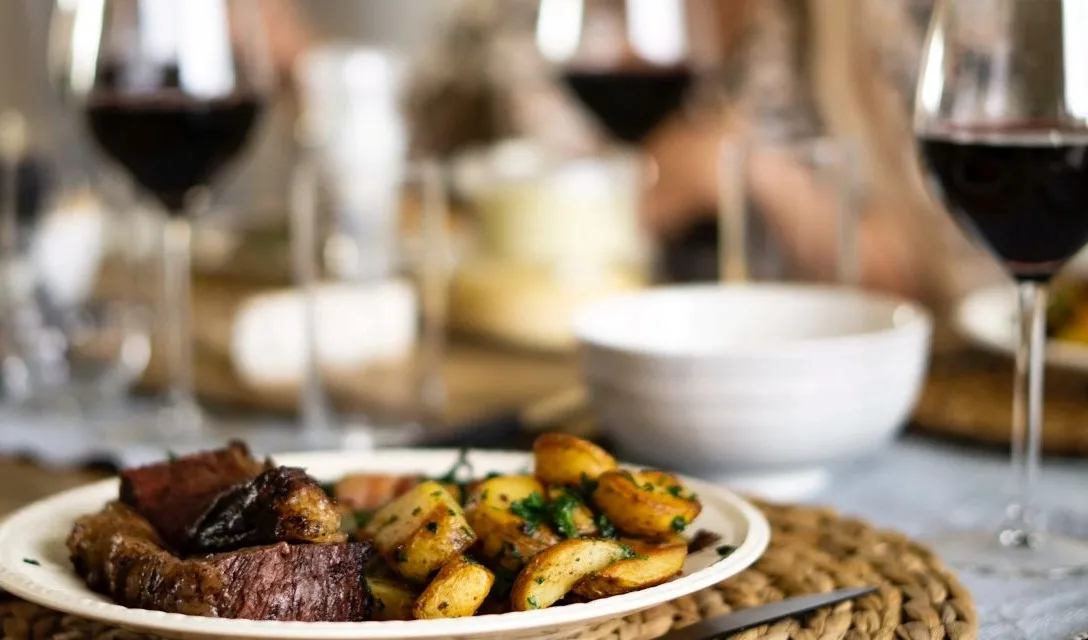
Pairing food with Châteauneuf-du-Pape
Châteauneuf-du-Pape wines are bold, full-bodied and flavourful – and are best served with hearty meat dishes like braised lamb shanks, roast beef, duck or barbecued ribs.
If you want to be really authentic, you could partner a Châteauneuf-du-Pape red with a classic French dish like beef bourguignon or navarin lamb.
Serving after dinner? Pair with bold cheeses such as aged mature Cheddar or Roquefort.
We stop at nothing to bring you great wine
For over 50 years, we've gone off the beaten track to bring you great bottles from independent wineries around the world. From refined Burgundy reds and powerful Châteauneuf blends to vibrant Loire whites, you'll find all sorts of hidden gems in our handpicked french wine collection.
About the author
Steve Rumble
When Steve first started writing for Laithwaites, dry rosé wasn’t a thing in the UK, the only Malbec we stocked was French and hardly any Brits could pronounce Rioja. Things have changed but Steve still loves telling the great stories behind our wines. He holds the WSET Level 4 Diploma and loves a good Provence pink or an oaky Chardonnay. Steve has sports writing experience and is our go-to writer for all things Laithwaites and England Cricket.