
- Home
- blog
- wines around the world
- Understanding Chablis
Understanding Chablis - Your Easy guide
Ah, Chablis… It’s one of the world’s best-loved fine white wines, a name that evokes candle-lit dinners, fine cuisine and, of course, the finest crystal glasses.
Yet despite the mystique, Chablis is actually a wonderfully straightforward wine once you know what to look for.
In this guide we’ll explore the wines of Chablis - from where they come from, to what they’re made of, and how the different quality levels compare - so you can choose with confidence.
It’s Chardonnay – but not as you know it
Chablis is a dry, crisp white wine produced in it's world-renowned AOC in northern Burgundy.
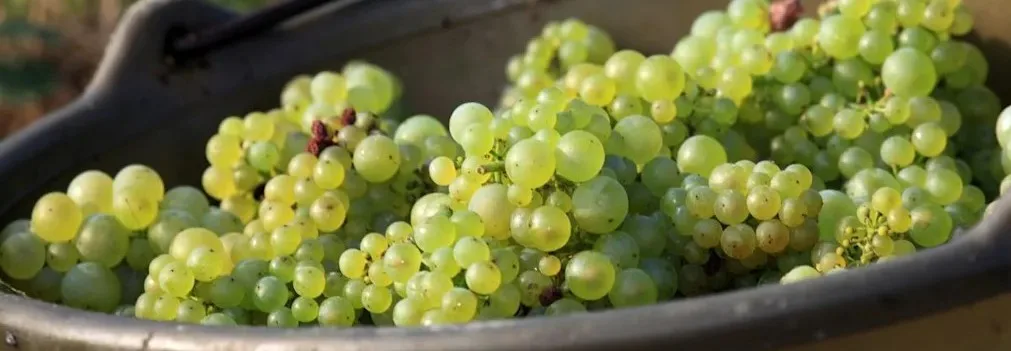
But perhaps the most important thing to understand about Chablis is this: It’s pure Chardonnay – yet even those who claim they don’t like the grape often love it.
This apparent contradiction is down to a common perception of Chardonnay as a rich, ripe, oaky style of white – think classic white Burgundy or the bold Australian and Californian styles.
But Chablis is a different beast. Crisp, steely, and refreshingly pure, it’s a must-taste if you favour elegant, mineral-fresh whites.
The four quality levels of Chablis
The good news is, you don’t need to spend a fortune to enjoy it. There are four quality levels, all clearly labelled – from great-value Petit Chablis to the rare and magnificent Grand Crus.
1. Petit Chablis – Despite the name, Petit Chablis is not a ‘lesser’ wine – it is a lighter, fresher style, offering crisp citrus, green apple, and floral notes. These wines are approachable, lively, and perfect for casual sipping.
2. Chablis – Made with grapes grown in the heart of the region, this classic style balances bright acidity with minerality and hints of white flowers, green fruit, and sometimes a touch of salinity. Great with seafood.
3. Chablis Premier Cru – These wines come from specific, named vineyards known for producing consistently higher quality wines. Structured and expressive, with deeper citrus, stone fruit, and floral aromas, Premier Cru Chablis often shows greater complexity, finesse, and ageing potential.
4. Chablis Grand Cru – The pinnacle of Chablis, made with grapes from the finest named vineyards in the region. These wines are full-bodied, rich, and intensely mineral, with layers of citrus, honey, and spice. They develop beautifully with age and pair well with refined dishes.
First steps in exploring Chablis
If you’re trying Chablis for the first time, we’d recommend starting at entry level with a Petit-Chablis or a Chablis AOC. These wines will give you a great introduction to the style – without putting too big a dent in your purse.
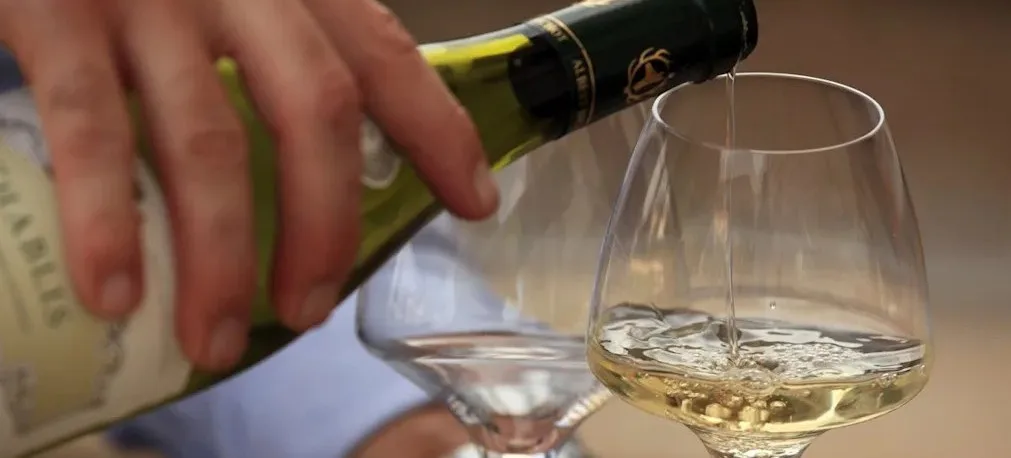
Tips from the Tasting Room: Julien Bouchard Petit Chablis, a fine white offering intense citrusy fruit and a bright minerality. It’s a lovely introduction to the style that will be delicious solo or with white meat and fish dishes – pork chops with fennel and olives, perhaps.
Alternatively, try the Domaine Dampt Vieilles Vignes, a superb Chablis made with grapes from older vines (Vieilles Vignes) for extra intensity. It has a bright apple character and crisp minerality which, with time, will develop honeyed intensity.
Premier vs Grand Cru Chablis
Once you’ve tried Chablis and decided (hopefully!) that you like it – you might want to treat yourself to a really special bottle. Here’s what you need to know:
Chablis Premier Cru: A Step Up in Elegance
Premier Cru Chablis comes from selected vineyard sites with ideal sun exposure, creating wines that balance zesty freshness with richer texture.
Expect vibrant citrus, green apple, and white blossom aromas, underpinned by the signature flinty minerality that makes Chablis so distinctive.
A little ageing (in bottle or, occasionally, in oak) adds extra depth, making these wines fantastic with seafood, creamy cheeses, or roast chicken with lemon and herbs.
Notable Premier Cru vineyards include Montmains, Fourchaume, and Vaillons – each offering subtle variations in style, but all unmistakably Chablis.
Chablis Grand Cru: The Ultimate Expression
Chablis Grand Cru comes from just seven prized vineyard sites on a single south-facing slope near the town of Chablis.
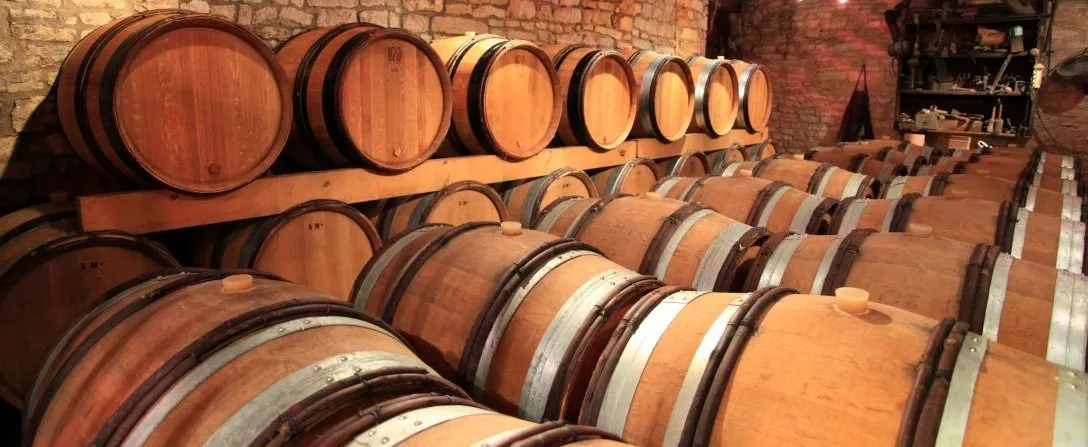
These wines are bolder, more structured, and age-worthy, often with a touch of oak influence adding layers of hazelnut, honey, and brioche alongside the classic citrus and mineral notes.
Names like Les Clos, Vaudésir, and Bougros are revered for their depth and complexity, evolving beautifully over time.
Pair them with butter-poached lobster, truffle risotto, or rich cheeses for an unforgettable experience.
How to serve Chablis
Chablis is all about freshness and precision, so serving it properly is key to bringing out its best qualities.
Temperature is crucial – too cold and you’ll mute its delicate aromas, too warm and it might lose its crisp edge.
Aim for 10-12°C for Premier and Grand Crus and 8-10°C for younger, livelier styles. Around 45 minutes in the fridge before pouring is perfect.
And ditch the chunky, heavy glasses – a standard white wine glass with a gently tapered rim allows the aromas to shine.
which foods pair well with Chablis?
Chablis is a food lover’s dream, thanks to its clean acidity and flinty minerality. Here’s what to enjoy it with:
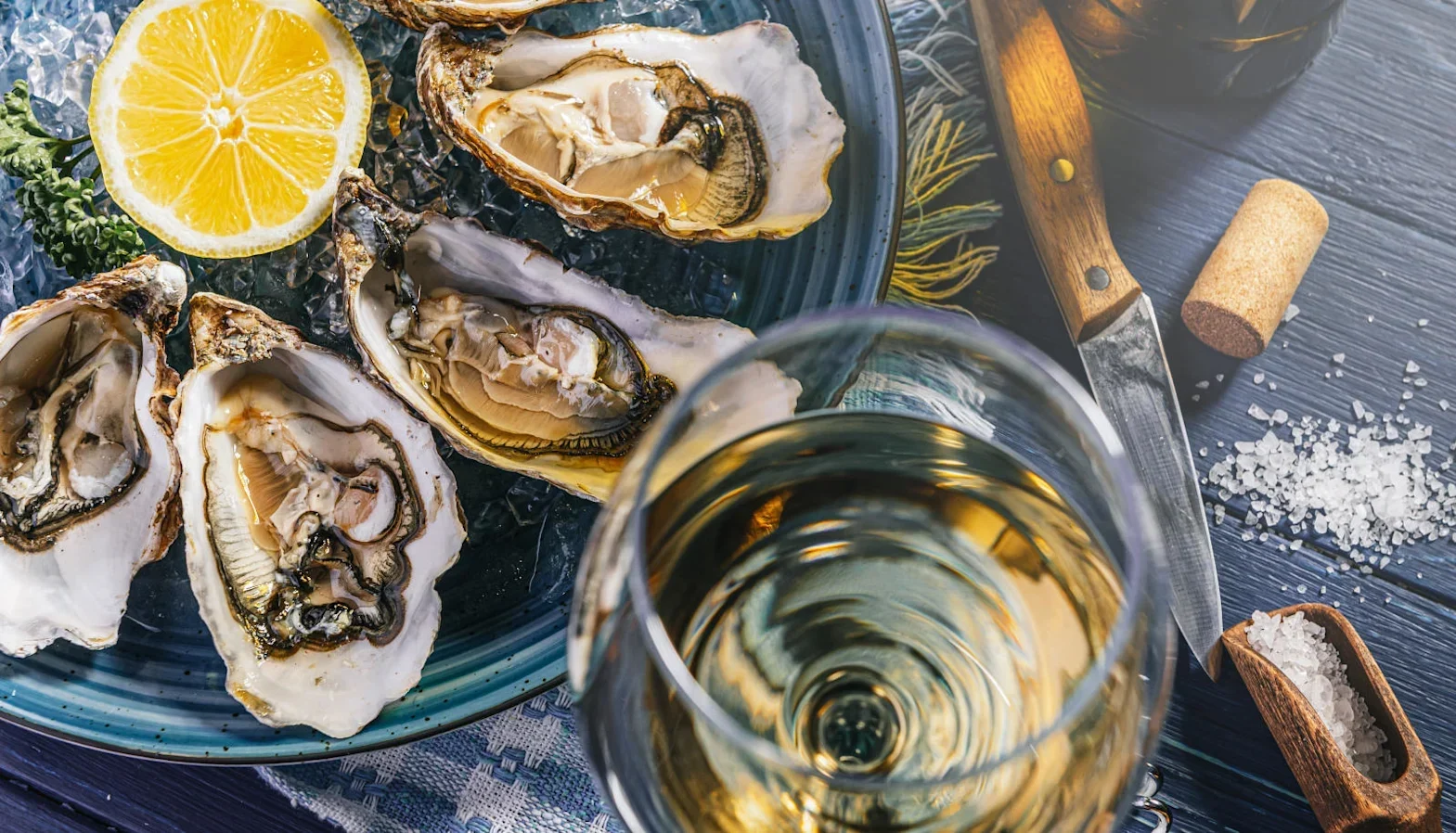
- Seafood & Shellfish – Oysters and Chablis? A match made in heaven. Also fantastic with grilled prawns, seared scallops, and sushi.
- White Meats & Creamy Dishes – Roast chicken with lemon and thyme, buttery sole meunière, or even a rich seafood risotto will complement its elegance beautifully.
- Cheese – Forget big blues – Chablis shines with creamy, tangy cheeses like Goat’s cheese, Brie, and Comté.
- Vegetarian Delights – Asparagus, artichokes, and zesty salads pair wonderfully, as do truffle-infused dishes for Grand Cru lovers.
Whether it’s a crisp, refreshing aperitif or the star of an elegant meal, Chablis is as versatile as it is delicious.
We stop at nothing to bring you great wine
For over 50 years, we've gone off the beaten track to bring you great bottles from independent wineries around the world. We taste over 40,000 bottles a year to find the 800 or so that make the final cut.
From great-value Petit Chablis to the rare and magnificent Grand Crus, you'll find all sorts of hidden gems in our handpicked collection.
About the author
Chris Larkin
A seasoned copywriter with over two decades experience, Chris has been part of the team since 2021. At Laithwaites HQ, you’ll find him either working on our latest catalogue or creating informative content for our website. Qualified to WSET Level 3 Wine, Chris is as geeky about wine as he is about copywriting. But when it comes to choosing a special bottle, he is a traditionalist, and loves a good Bordeaux or Mâcon Chardonnay.