
Beginner’s Guide to Wine
10 Essential Tips to Taste, Serve and Enjoy Wine
Wine can feel like a daunting world to step into. Talk of labels, terminology and confusing flavour notes (petrol - really?) can make it seem like an exclusive club with complex rules.
Then there are the unspoken dos and don’ts of serving and drinking wine, and suddenly the idea of appreciating it properly can feel more exhausting than enjoyable.
But it doesn’t have to be that way. This beginner’s guide cuts through the jargon and focuses on what matters most - finding wines you love.
1. Choose the right glass
It can be easy to think that once you’ve poured your wine, it’ll taste the same regardless of the glass you drink it from.
But that’s just not true.
Once your wine is out of the bottle and exposed to air, it interacts with oxygen, which can change its aromas and taste. It’s surprisingly helpful to have the correct glass to serve your wine since this will control how much oxygen it’s exposed to. With the right glass, you can draw out all the wonderful flavours and aromas you won’t want to miss.
Bonus wine tip! While certain wines suit specific glasses, opting for a universal-style wine glass will benefit a wide variety of wines – tulip-shaped is best with a medium-sized bowl, tapering towards the top to deliver maximum aromas up to your nose.

2. Take time to taste your wine
Wine is best sipped and savoured, so resist glugging it down.
Sipping wine gives you time to fully taste and appreciate the complexity of its style and flavours. Before taking a sip, swirl the wine in your glass for a second or two (drawing circles with its base on a flat surface is the easiest way to attempt the swirl action!) and take a quick sniff – this will help you enjoy the wine’s aromas just as they are released. T
hen, take a small sip and hold the wine on your tongue before swallowing to better taste all the layers of flavour.
3. Serve your wine at the right temperature
Does the temperature that you serve wine at really matter?
Most of us agree that things taste differently when too warm or too cold. For example, melting ice cream tastes sweeter and warm beer tastes bitter – neither of which is particularly brilliant for your tastebuds.
In the same way, the temperature of your wine has a significant effect on its aroma, taste and texture. So, to get the best taste out of your wine, make sure you serve it at the ideal temperature. This will depend on the type of wine, but in general, red wines should be served closer to room temperature, whereas white and rosé wines are much better when chilled.
There is a bit of variation to play with, of course. Light reds, with none of those tooth-furring tannins that heavier styles often have, can be lightly chilled or served cellar cool, while richer whites, often from classic regions like Burgundy, don’t want to be overchilled, otherwise it’s easy to miss all their subtle flavours.

4. Get to know some wine terminology
Aroma. Body. Tannins. Vintage… what does it all mean?!
There’s a lot of terminology in the wine world, and while only professionals really need to know everything, it can help to have a few wine terms tucked away to make your wine exploration more successful and exciting. Understanding some of the jargon can also help you figure out what your wine preferences are.
Here’s a couple of common terms to get you started:
- Vintage – The year the grapes were harvested and the wine made.
- Body – the richness and weight of the wine in your mouth (full-bodied wines are heavy and rich, light-bodied wines feel light with more freshness).
- Acidity – The level of crispness or tartness in a wine. Acidity is a key component of wine, adding freshness and balance to its full flavour.
- Dry vs sweet – these terms describe how much residual sugar is in the wine. Dry wines have little or no sugar and taste less sweet, whereas sweet wines have a pleasant sweetness.
- Tannins – nearly exclusively found in red wines, these tannins are absorbed during winemaking from the skins and pips of the grapes, and also from oak barrels if these have been used. They help a wine to age and give it structure. A certain level of tannin is pleasurable but will make your mouth feel a bit ‘furry’.
5. Store your wine properly
Storing wine is more than stashing it in a cupboard until you want to drink it. How wine is stored can impact taste and is one of our more practical wine tips.
The general rule for all wine styles is to store your bottles in a cool, dry place and out of direct sunlight. A stable temperature will help preserve your wine’s aromas and flavours for longer.
A cellar is naturally the optimum solution, but a rack under the stairs works well, in a cupboard or tucked away in a cool room. Never next to a radiator! You can use a wine fridge or cooler to store wine at a suitable temperature if you’re lucky enough to have one.
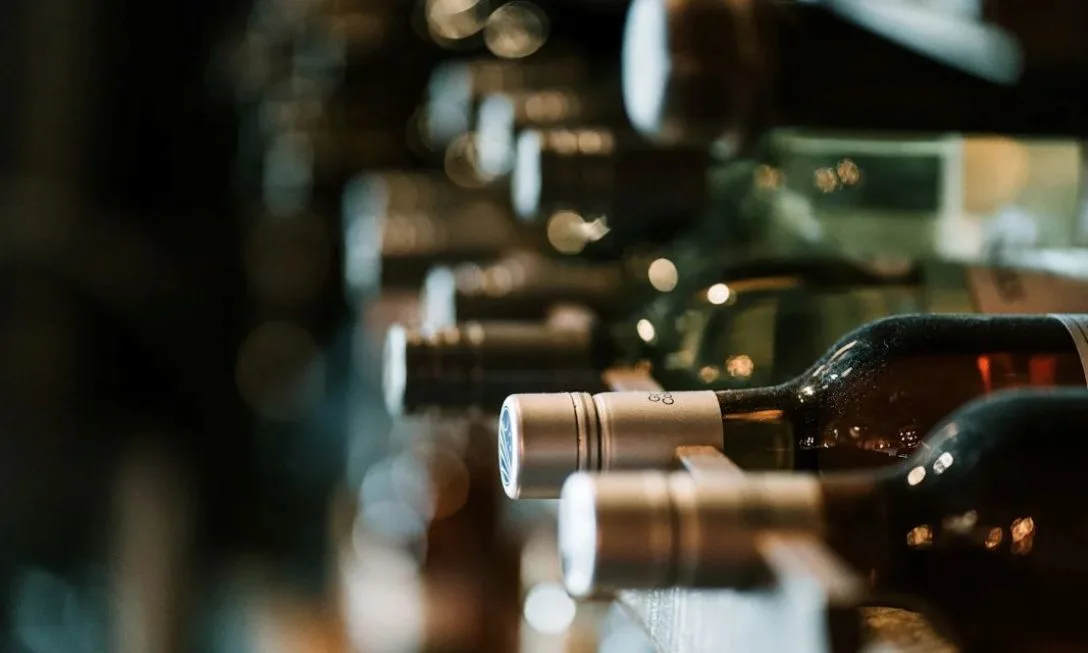
Ideally, store bottles with corks horizontally. This is less important if you plan to enjoy your wine in the next few months, but those that are for keeping – six months to a year-plus – are best stored lying down so the cork stays damp. Bottles with screwcaps can be stored upright or horizontally, it's up to you.
6. Explore different wine and food pairings
Wine and food go together like strawberries and cream – and there’s probably a wine pairing for that.
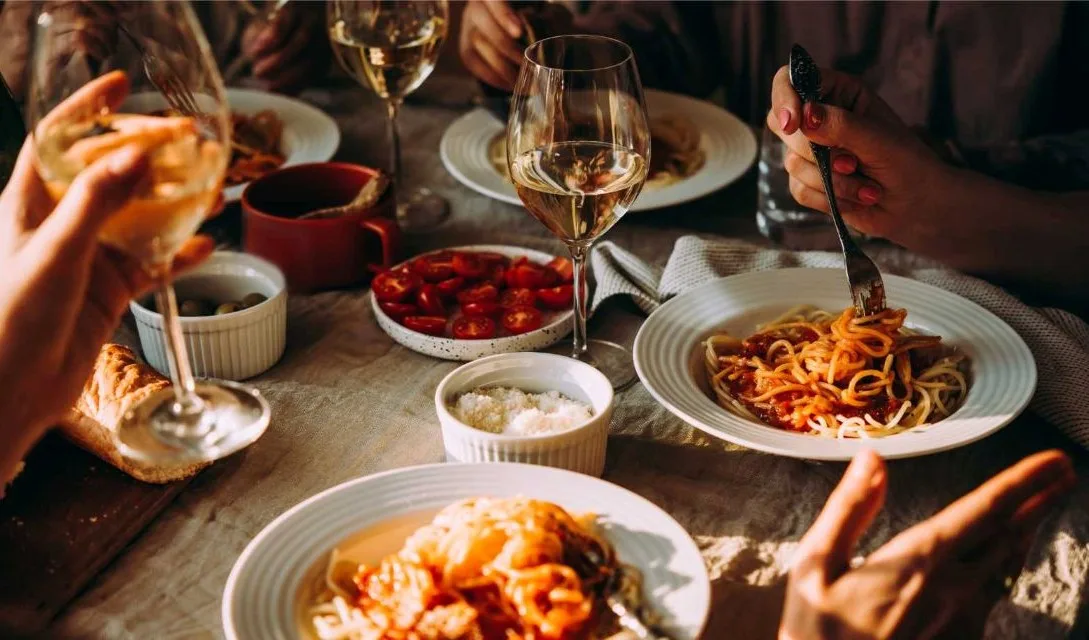
Different wines pair well with specific dishes from across the globe, so why not take your favourite meals to the next level with a complementary bottle? You could even host an evening with friends, with everyone bringing their favourite dish and a matching wine.
Exploring food and wine matches is a fun thing to do, but always bear in mind that if the partnership works for you, then it’s right. There are no rules!
7. Make a note of the wines you like
As you sample and savour different wines, it can be easy to lose track of what you’ve liked or even what you’ve tried. The best remedy is to write them down or take a photo of the label.
Ideally, note the name of each wine you’ve tasted to help you choose new, future wines and write down a brief taste impression.
8. Don’t be afraid to try something new
Considering how many grape varieties and styles of wine are available, it’s great to grab any opportunity to experiment with something new. The best way to learn about wine and discover what you like is through tasting different types, so don’t be afraid to pick up a wine you’ve never tried before and give it a go.
If you ever find yourself yearning for a specific type of wine, but not knowing how to ask for it, then our Styles guide is for you. Visit our jargon-free zone for a helping hand finding exactly the wines you like - while avoiding the ones you don’t.
9. Try a wine tasting
Wine tastings are events held by wineries or wine companies to showcase their range, making them the perfect place for wine beginners to learn from experts and try something new in a risk-free way.
Alternatively, consider hosting your own wine tasting at home. It’s a great way to spend an evening with friends.
10. Join a wine club
Wine clubs are a great way to try expertly chosen, top-quality wines delivered straight to your door without breaking the bank. Not only will you receive the highest-quality wines, but some wine clubs even include exclusive offers, rewards points or the option to customise the wines you receive to suit your tastes.
Our Wine Subscriptions are designed to make discovering great wine simple. Every eight weeks, you’ll receive a new collection of wines selected by our experts, with guaranteed savings of 20% or more on every case.
We stop at nothing to bring you great wine
For over 50 years, we've gone off the beaten track to bring you great bottles from independent wineries around the world. We taste over 40,000 bottles a year to find the 800 or so that make the final cut. Juicy reds, refreshing whites, tasty rosés, thrilling fizz - you'll find all sorts of hidden gems in our handpicked wine collection.
About the author
Chris Larkin
A seasoned copywriter with over two decades experience, Chris has been part of the team since 2021. At Laithwaites HQ, you’ll find him either working on our latest catalogue or creating informative content for our website. Qualified to WSET Level 3 Wine, Chris is as geeky about wine as he is about copywriting. But when it comes to choosing a special bottle, he is a traditionalist, and loves a good Bordeaux or Mâcon Chardonnay.