
Red WineWhite WineRosé WineChampagne & SparklingFine WineBin Ends View All OffersMixed CasesMedal WinnersBestsellersTop RatedOnline CatalogueAussie Emergency Deal Showcase SAVE up to £23225% OFF standout fizz from Laurent-PerrierBestselling South African white Bees Knees – 20% OFFSAVE £31 on bestselling redsNo.1 bestselling Rioja Barón de Barbón – 20% OFFAward-winning Warner’s Rhubarb Gin – 25% OFFMagic Argentinian Malbec – 35% OFF add-on dealNEW vintage Provence Rosé – just £12.99 a bottleRed WineWhite WineRosé WineChampagne & SparklingNo and Low AlcoholDessertFortifiedWine BoxesMiniaturesHalf BottlesView All WineFranceItalySpainPortugalAustraliaNew ZealandBordeauxBurgundyCavaChateauneuf Du PapeMargauxRiojaBeaujolaisChablisSancerreNapa ValleySauvignon BlancPinot GrigioMerlotMalbecPinot NoirChardonnayCabernet SauvignonRipe Smooth RedsFirm Structured RedsLight Juicy RedsCrisp Fresh WhitesRich Round WhitesPale Dry RoséBright Fruity RoséChampagne or similarFresh Fruity FizzWhat's your wine style?Red WineWhite WineChampagneEnglish SparklingDessert WineBurgundy 2024 En-PrimeurFine Wine HubView All Fine Wine Up to £5.99£6 - £7.99£8 - £9.99£10 - £14.99£15 - £24.99£25+RedWhiteRoséSparklingBestsellersBlack RedsAll Mixed CasesTrioSixTwelveBulk DealsLuxury Portuguese Black Red Reservas – 30% OFF add-on dealDelicious Chardonnay mix for just £8.99 a bottleTop-quality Bordeaux Reds Mix – SAVE £49Bumper Kiwi Sauvignon Showcase – £71 OFFRich, dark Rioja mix – SAVE £50Bright, juicy, charming Beaujolais – 20% OFF15-bottle white wine essentials – just £7.99 a bottleAdd-on beer deal – Primator Premium Pilsner less than £2 a bottle!Smooth Merlot mix just £8.99 a bottle12-month Bestsellers price cap deal!Vineyard PartnersWine Gift SubscriptionsHow subscriptions workBenefits of joining a Wine ClubManage my SubscriptionsUnlimitedUnlimitedRed Wine GiftsWhite Wine GiftsSparkling GiftsGift hampersChocolate GiftsGift Boxes & AccessoriesBeer GiftsCheese & WineGift cards All GiftsBirthdays Congratulations Wedding Thank You Engagement Anniversary For HerFor Him Under £30Under £50Under £100Over £100GinBrandyWhiskyVodkaRumTequilaBin EndsView All SpiritsAll BeerLagerIPABeer Mixed casesBeer OffersCiderCider OffersHawkstone - beer from Clarkson's FarmLoose Cannon - Craft beer from the heart of OxfordshireSipsmith - spirits of quality and characterWine Festival - ManchesterPartner Events Taste with Laithwaites - In StoreBordeaux Tasting TourWine Festival - LondonAbout & FAQ'sAll Events Wine GuidesUnlimitedWedding ServiceCorporate ServicesCorporate GiftsContact UsStore FinderEvents in StoreWhat's Your Wine Style?How Long Does Wine Last After Opening?How To Perfectly Pair Cheese and WineCrémant - The unsung hero of French FizzFood & Wine PairingsCelebrating Special OccasionsLearn About WineExplore all articlesWine Shop by Telegraph Media GroupTom Gilbey’s Signature Six SubscriptionThe Kew Series by LaithwaitesBritpop by Alex JamesEnglish Heritage SeriesGood Food and LaithwaitesView all partnersBROWSE ALL WINES
  • Home
  • blog
  • learn
  • Understanding sweetness in wine


Sweet wines come in various styles, from easy-drinking, fruity wines perfect for sipping on a sunny afternoon to rich dessert wines to pair with any after-dinner treat, from cheesecakes to cheeseboards. But what makes a wine sweet? And why are some sweeter than others? Our expert guide can help you understand which wines are sweet, why they’re sweet and which ones you need to try at least once.


What makes a wine sweet?

Which wines are sweet or dry depends mainly on the level of residual sugar left over from the grapes after fermentation. Added yeast eats up the grape juice’s natural sugar during fermentation, converting it into alcohol. Winemakers can choose to halt this process by reducing the temperature or adding grape spirit to kill the yeast (a process known as fortification). This allows winemakers to determine the style and sweetness of a wine. Dry wines retain little or no sugar after fermentation, whereas sweet wines have varying degrees of sugar left in the finished wine.

Does the type of grape affect a wine’s sweetness?

In theory, any grape can be made into sweet wine as the winemaking process determines the sweetness of a wine. However, certain grape varieties are more commonly used for sweet wine production. These include Riesling, Sémillon, Muscat, Chenin Blanc and Pedro Ximénez. Winemakers also used several methods to boost a grape’s natural sugar content in most cases before fermentation, including:

  • Late harvest – Grapes are left on the vine longer than usual, allowing them to over-ripen and accumulate higher sugar levels.
  • Noble rot (Botrytis cinerea) – This fungus causes the grapes to shrivel and dehydrate on the vine, concentrating the sugars. The resulting wines can have distinct honey and dried fruit flavours.
  • Passito method (straw wine) – Once harvested, the grapes are left to dry on straw mats, racks or in temperature-controlled drying rooms. This concentrates the sugars before fermentation.
  • Ice Wine (Eiswein) – Grapes are left on the vine until winter, allowing them to freeze naturally. When frozen grapes are pressed, the water content remains as ice, yielding a concentrated, intensely sweet juice, which is then fermented.
  • Fortification – Here, fermentation is stopped by adding a neutral spirit or brandy, which kills the yeast and leaves residual sugar in the wine.

How is wine sweetness measured?

Wines are categorised into different sweetness levels based on the amount of residual sugar (RS) they contain. This is measured in grams per litre (g/L). Here’s a general guide to understanding levels of sweetness in wine:

  • Dry – Most of the sugar has been fermented into alcohol, resulting in a wine that contains very little to no residual sugar, typically ranging from 0-4 g/L. These wines have no perceptible sweetness.
  • Off-dry – These wines have a slight sweetness that can be barely noticeable, usually containing between 4-12 g/L.
  • Medium (or semi-sweet) – These wines have a more pronounced sweetness with 12-45 g/L of residual sugar.
  • Very sweet or dessert – These wines contain a high residual sugar level of 45+ g/L. They are typically served as or with dessert.

To convert this to percentages, 10g/L is equivalent to 1%. So, a wine with 50g/L RS is 5% sugar. Understanding these levels can help you choose the right style of wine to match your sweet tooth.

Why do some wines taste sweeter than others?

Residual sugar left after fermentation directly contributes to a wine’s sweetness, but other factors can influence if a wine tastes ‘sweet’. Wines with higher acidity can seem less sweet than they actually are. The acidity balances the sweetness and can make the wine taste more refreshing.

Higher levels of alcohol can add a perception of sweetness to a wine, as alcohol itself can taste sweet. Tannins, the compounds that give wine its astringency, can counteract the perception of sweetness. Therefore, a wine with high tannin levels may taste less sweet than a wine with the same residual sugar but with lower tannin levels.

A wine’s fruitiness can also impact how sweet we think a wine is. Wines with intense, juicy fruit flavours can often seem sweeter, even if they have little to no residual sugar, simply because our brains associate fruitiness with sweetness.
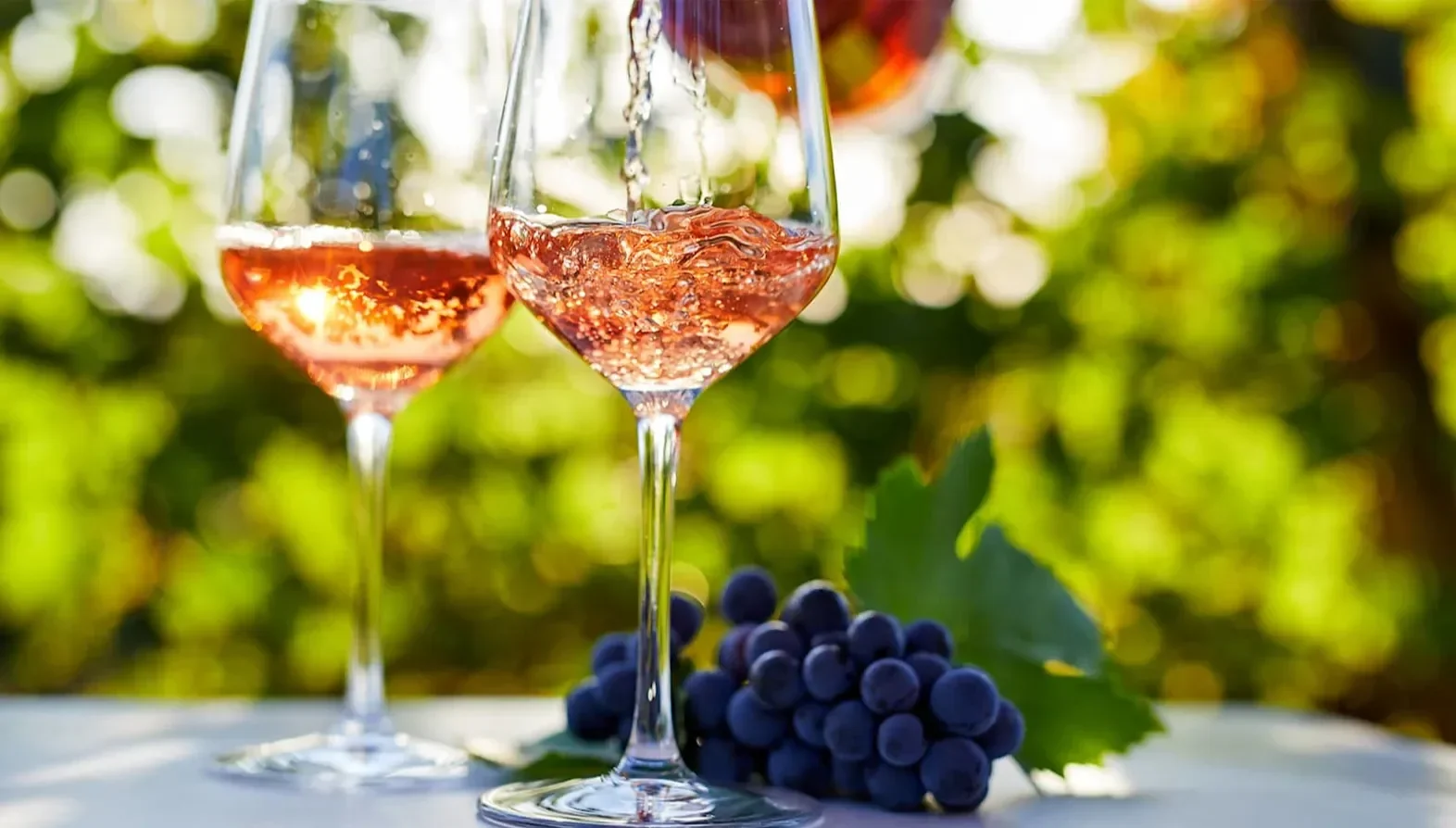
Which types of wines are sweet

Here are some examples of grape varieties and types of wine and their sweetness levels, from dry to sweet: 

Reds

  • Dry – Sangiovese, Tempranillo, Cabernet Sauvignon, Pinot Noir, Syrah, Merlot, Malbec and Zinfandel.
  • Off-dry – Certain styles of Lambrusco, Beaujolais and Dornfelder.
  • Sweet – Port, Recioto della Valpolicella, sweet styles of Lambrusco.

Whites

  • Dry – Sauvignon Blanc, Chardonnay, Albariño, Chenin Blanc, Verdicchio and Viognier.
  • Off-dry – Riesling, Pinot Gris and Gewurztraminer.
  • Sweet – Sauternes, Tokaji Aszú, Late Harvest Riesling and Moscato d'Asti.

Rosés

  • Dry – Provence rosés, Spanish Rosado, Bandol Rosé and Sangiovese Rosé.
  • Off-dry – Californian White Zinfandel and some styles of Rosé d'Anjou.
  • Sweet – Banyuls rosé, pink Moscato and Lambrusco Rosato.

Pairing sweet wines with food

Sweet wines are versatile for food pairing as their natural sweetness can balance various flavours. Here are some tips on how to pair sweet wines:

  • Spicy foods – The sweetness in the wine can offset the heat in spicy foods. Sweet wines such as Gewurztraminer, Riesling or Moscato are often paired with spicy Asian dishes.
  • Salty foods – The contrast between sweet and salty can be enjoyable. A classic example of this pairing is a glass of Sauternes or Port with salty blue cheese.
  • Sweet sauces and glazes – Foods with a sweet element, such as a glaze or a sauce, pair well with sweet wines. A late-harvest Riesling could be an excellent match for a dish such as glazed ham.
  • Desserts – Sweet wines are naturally suited to pair with desserts. The fundamental rule here is to ensure that the wine is as sweet as, or sweeter than, the dessert itself. For example, a chocolate dessert might pair well with a sweet, fortified wine such as Port, while a fruit-based dessert might go well with a late-harvest wine or Ice Wine.
  • Rich, savoury foods – The high acidity of many sweet wines can cut through the richness of certain foods, refreshing the palate. Sauternes, for example, is often paired with foie gras for this reason.
  • Charcuterie – Sweet wines can balance the fat in cured meats and paté, and match the sweetness in fruit-based accompaniments like chutneys.

Of course, these are just suggestions. Personal preference matters, so choose your favourite wine and enjoy it trying it with different dishes.

Choosing a sweet wine

If you’d like to try a sweet wine, start by getting a broad idea of all the different and delicious sweeter wines you could try, from Sauternes, late-harvest Riesling to Moscato – read our guide to 9 sweet white wine varieties.

Understanding terminology can play a role. Terms such as ‘dulce’, ‘dolce’ and ‘demi-sec’ are used by winemakers in different countries to describe the sweetness level of their wines. But our favourite way of finding the perfect sweet wine is to taste different types!
We stop at nothing to bring you great wine

For over 50 years, we've gone off the beaten track to bring you great bottles from independent wineries around the world. We taste over 40,000 bottles a year to find the 800 or so that make the final cut. Juicy reds, refreshing whites, tasty rosés, thrilling fizz - you'll find all sorts of hidden gems in our handpicked wine collection.

Shop All Wine

About the author

Brogan Wilson

Qualified to WSET Level 2 Wine, Brogan is a relatively new member of the team, having joined in September 2023. She previously worked as the sole copywriter at a creative marketing agency, and before that, as a primary school teacher. At Laithwaites HQ, you’ll find her growing her knowledge, asking lots of questions, and crafting both digital and print copy. An ardent red wine drinker, Brogan is also fond of Crémant.

money back guarantee icon

100% MONEY-BACK

Guarantee

free delivery icon

Free Delivery

on 12+ bottles

award winning icon

Award-Winning

Wines & customer service

trustpilot icon

Excellent

Rating