
Red WineWhite WineRosé WineChampagne & SparklingFine WineBin Ends View All OffersMixed CasesMedal WinnersBestsellersTop RatedOnline CatalogueNEW vintage: enjoy Saint-Émilion quality for much lessWine rack essentials – just £7.99 a bottles20% OFF top Chenin from ‘Loire Winemaker of the Year’30% OFF No.1 Kiwi Sauvignon Mussel PotNo.1 luxury South African white Queen Bee – 20% OFFNEW release: 25% off the white that time forgotElite Pinot Grigio from 100-point winemaker – 25% OFFBumper Pinot Grigio deal! Just £8.33 a bottleRed WineWhite WineRosé WineChampagne & SparklingNo and Low AlcoholDessertFortifiedWine BoxesMiniaturesHalf BottlesView All WineFranceItalySpainPortugalAustraliaNew ZealandBordeauxBurgundyCavaChateauneuf Du PapeMargauxRiojaBeaujolaisChablisSancerreNapa ValleySauvignon BlancPinot GrigioMerlotMalbecPinot NoirChardonnayCabernet SauvignonRipe Smooth RedsFirm Structured RedsLight Juicy RedsCrisp Fresh WhitesRich Round WhitesPale Dry RoséBright Fruity RoséChampagne or similarFresh Fruity FizzWhat's your wine style?Red WineWhite WineChampagneEnglish SparklingDessert WineBurgundy 2024 En-PrimeurFine Wine HubView All Fine Wine Up to £5.99£6 - £7.99£8 - £9.99£10 - £14.99£15 - £24.99£25+RedWhiteRoséSparklingBestsellersBlack RedsAll Mixed CasesTrioSixTwelveBulk DealsNew Zealand Sauvignon Showcase – SAVE £54Party-ready Prosecco Six – just £8.99 a bottleClassic Bordeaux, crisis price – just £10.99 a bottleMeet your must-have Provence rosés! 30% OFFBig, rich, bold Argentinian Malbec – £12 OFFBumper Pinot Grigio deal! Just £8.33 a bottle15-bottle white wine essentials – just £7.99 a bottleAdd-on beer deal! 20% OFF Loose Cannon beersIconic Whispering Angel now just £19 a bottleSmooth Merlot Mix just £8.99 a bottle12-month Bestsellers price cap deal!Vineyard PartnersWine Gift SubscriptionsHow subscriptions workBenefits of joining a Wine ClubManage my SubscriptionsUnlimitedUnlimitedRed Wine GiftsWhite Wine GiftsSparkling GiftsGift hampersChocolate GiftsGift Boxes & AccessoriesBeer GiftsCheese & WineGift cards All GiftsEaster giftsBirthdays Congratulations Wedding Thank You Engagement Anniversary Corporate GiftsFor HerFor Him Under £30Under £50Under £100Over £100GinBrandyWhiskyVodkaRumTequilaBin EndsView All SpiritsAll BeerLagerIPABeer Mixed casesBeer OffersCiderCider OffersHawkstone - beer from Clarkson's FarmLoose Cannon - Craft beer from the heart of OxfordshireSipsmith - spirits of quality and characterWine Festival - ManchesterPartner Events Taste with Laithwaites - In StoreBordeaux Tasting TourWine Festival - LondonAbout & FAQ'sAll Events Wine GuidesUnlimitedWedding ServiceCorporate ServicesCorporate GiftsContact UsStore FinderEvents in StoreWhat's Your Wine Style?Food Pairing Guide for Alcohol-Free WinePairings for Vegan & Vegetarian DishesCrémant - The unsung hero of French FizzHow To Perfectly Pair Cheese and WineFood & Wine PairingsCelebrating Special OccasionsLearn About WineExplore all articlesWine Shop by Telegraph Media GroupThe Kew Series by LaithwaitesBritpop by Alex JamesEnglish Heritage SeriesGood Food and LaithwaitesView all partnersBROWSE ALL WINES
  • Home
  • blog
  • learn
  • Guide to Sweet Rosé

Thanks to its range of iconic, pretty pink shades and fruity, refreshing flavours, it’s easy to see why rosé has become one of the world’s most popular wine styles. No longer just a glass for summer, long weekends and bottomless brunches – rosé wine is now being enjoyed all year round, whatever the occasion.

The popularity of rosé wine in the UK has snowballed in recent years. Helped in part by celebrities jumping on the bandwagon – from Jon Bon Jovi to Kylie Minogue – further boosting its Instagram appeal. But it’s far more than a fad wine, coming in both dry and sweet rosé wine styles there are plenty of options perfect for festive get-togethers and summer picnics.
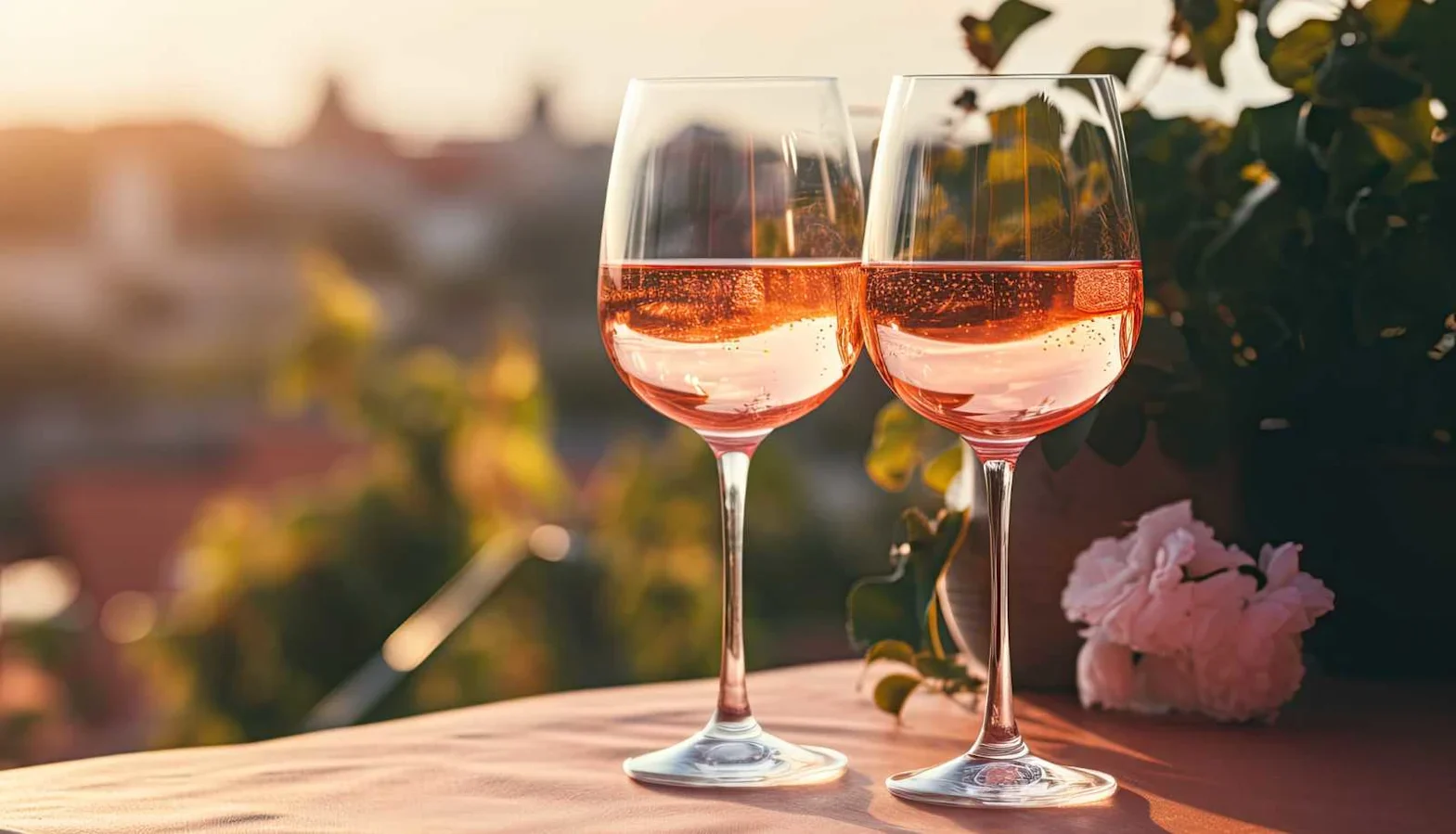
Don’t think rosé can be a fine wine? Think again. Gérard Bertrand’s Clos du Temple takes rosé to Grand Cru heights, with a £165-a-bottle price tag to match.

Rosé wine can have a range of sweetness levels, and understanding those subtle differences can help you find the perfect bottle of pink.

Browse our delicious range of rosé wines from around the world.

How is rosé wine made?

While a few rosé wines are made by blending red and white grapes, most rosés are made entirely from red grape varieties.

Rosé can be made anywhere in the world that grows red wine grapes. The signature shades of pink of each variety of rosé wine happen during the winemaking process, where the red grape skins are left in the grape juice to impart colour. The longer the skins stay in contact with the juice, the darker colour of the rosé will be.

There are two main ways to make rosé wine:

  • Maceration method – Also known as the “skin contact” method, this is the most common method for making rosé and involves keeping the skins in contact with the grape juice for a brief period during the fermentation process to extract colour. This can range from a few hours for darker-skinned grapes like Mourvèdre to 24 hours for lighter ones like Grenache. Once the desired colour is obtained, the skins are removed.
  • Saignée method – Translating as ‘to bleed’ in French, this method produces rosé wine as part of red wine production. During the fermentation of red wine, about 10% of the juice is “bled off” and fermented into rosé. This method results in the rosé having extended contact with the red grape skins, leading to a style that is richer, bolder and possesses a more savoury character compared to rosés made through the skin contact method.

Is rosé wine sweet or dry?

Rosé wines range from bone dry to moderately sweet, depending on the grapes used and how they are made. While pale pink rosés tend to be drier in style and darker rosés are typically sweeter and fruiter, colour alone can’t determine the sweetness level in your wine. Always look at the label – certain styles of rosé are renowned for their sweetness and it’s also good to check the alcohol level. As a general rule the lower the ABV level, the sweeter the rosé will be. 

In rosé’s heartland of Provence in southern France, the wine tends to be pale pink in colour and dry in style, offering refreshing flavours of tingling grapefruit, red berries and wild herbs.

Californian rosés, such as White Zinfandel, and Spanish Moscatel Rosado are sweeter in style. These wines are sweet because winemakers do not allow all the grapes’ natural sugars to ferment into alcohol, and the warmer climate produces wine grapes with higher levels of natural sweetness and less acidity.

Best rosé wines to try

Provence Rosé
Provence is the gold standard for quality dry rosé wine, and its elegant pinks have become hugely popular worldwide largely thanks to big international brands like Miraval and Whispering Angel. 

The Grenache grape is key in Provence rosé wines, alongside Cinsault, Mourvèdre, Carignan and Shiraz. Sometimes, a dash of white grape Rolle (aka Vermentino) is added for a little extra freshness. 

Provence rosés tend to be delicate in flavour, boasting notes of juicy watermelon, grapefruit and strawberry, with floral, herbal hints and sometimes a savoury finish. Provence pinks pair deliciously with seafood and salads.

Tavel Rosé
Not all French rosé is pale pink and understated.

Rosés from the Tavel region in the Rhône Valley are a deep raspberry red and renowned for their complex character and spicy aromas. They’re so dark that you’d be forgiven for mistaking them for light red wines! Said to be a favourite wine of famous American author Ernest Hemingway, Tavel rosés are mainly made with a blend of Grenache and Cinsault.

Tavel rosés are among the driest out there. Their flavours of summer fruits and spices with nutty hints and a bold structure make them a top rosé to pair with barbecued meats.

Grenache Rosé
Grenache is an important grape for rosé winemaking, especially in Provence and Spain.

Grenache rosés radiate charm and character,boasting riper flavours of strawberry, cherry and raspberry alongside more exotic notes like blood orange, hibiscus and allspice.

The colour of Grenache rosé can vary from pale pink to raspberry red, depending on where it is made. Available both as a dry or sweeter rosé wine, it makes a great partner for various cuisines, from spicy Moroccan and Indian dishes to appetising Greek mezze.

Mourvèdre Rosé
While most pinks should be drunk young, Mourvèdre rosés are known for their ability to age gracefully.

Their heartland is Bandol in southern France, where they tend to be coral-pink in colour, fuller-bodied and savoury in style, offering floral notes of rose petals and violets. When sipping a Mourvèdre rosé, you can expect to taste everything from red plums and cherries to dried herbs and maybe a touch of smoke. Like a light red wine in character, these complex rosés can stand against heartier dishes with stronger flavours – think grilled meats and savoury Mediterranean dishes like tapenade and dolma.

Outside of France, Mourvèdre rosé has found a happy home in South Africa and California.

Rosado
While France might be the first place that springs to mind when you look for a glass of pink, rosado – the rosé of Spain and literally the Spanish word for ‘pink’ – is a wine style well worth seeking out. 

Commonly made with TempranilloGarnacha and Viura grapes, rosado wines tend to have a striking boldness and more roundness when compared to most of their French counterparts. Full of vibrant summer berry flavours they pair well with seafood and tapas.

White Zinfandel
Don’t be misled by the ‘white’ in its name – White Zinfandel is a rosé through and through, crafted from the red Zinfandel grape in an ‘off-dry’ style.

While the popularity of dry rosés from Provence has spawned hundreds of copycats worldwide, sweeter styles of rosé are still hugely popular, where White Zinfandel continues to lead the way. In fact, the wine style is so popular that it accounts for around 85% of all international Zinfandel production. 

With approximately 3.5g of residual sugar per standard glass, White Zinfandel strikes a delightful balance of moderate sweetness. Given its sweeter nature, you can expect to find ripe strawberry, cherry and watermelon notes. Its more intense sweetness makes it a delicious pairing for offsetting spicier dishes like Thai noodles and curries.

Sangiovese Rosé
Italy is another of Europe’s vibrant pink wine hubs, where rosés are predominantly made from Tuscany’s flagship red grape – Sangiovese.

With a thirst-quenching acidity and bursting with sour cherry flavours, the grape is ideally suited to rosé production. Though Italy doesn’t have a long history of pink production, a growing number of wine estates are adding rosé to their ranges.

Sangiovese rosés are a harmonious blend of contrasts – dry in character yet brimming with fruity exuberance. These diverse flavours, ranging from the sweetness of cherry and raspberry to the subtleness of yellow peach, are complemented by a subtle spice. This versatile flavour profile makes Sangiovese rosé a delightful companion to the rich textures of Italian prosciutto or a simple Caprese salad.

Find your next favourite from our extensive range of rosé wines hand-picked by the experts at Laithwaites.
Shop rosé wine

About the author

Chris Larkin

A seasoned copywriter with over two decades experience, Chris has been part of the team since 2021. At Laithwaites HQ, you’ll find him either working on our latest catalogue or creating informative content for our website. Qualified to WSET Level 3 Wine, Chris is as geeky about wine as he is about copywriting. But when it comes to choosing a special bottle, he is a traditionalist, and loves a good Bordeaux or Mâcon Chardonnay.

money back guarantee icon

100% MONEY-BACK

Guarantee

free delivery icon

Free Delivery

on 12+ bottles

award winning icon

Award-Winning

Wines & customer service

trustpilot icon

Excellent

Rating