

Filter by
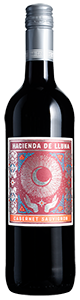 Ripe Smooth Reds
 SpainCabernet Sauvignonfrom £9.99 per bottlewhen you mix 12+(£13.32 per litre)SAVE £15.60
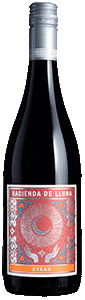 Ripe Smooth RedsSpainSyrahfrom £9.99 per bottlewhen you mix 12+(£13.32 per litre)SAVE £15.60
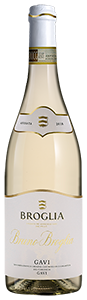 Crisp Fresh Whites
 ItalyCortese£25.00 per bottle(£33.33 per litre)
 Rich Round Whites
 ChileRoussanne-based blendfrom £17.00 per bottlewhen you mix 12+(£22.67 per litre)SAVE £24.00
- Only 38 left
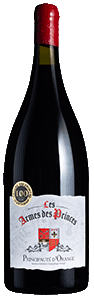 Ripe Smooth Reds
 FranceGrenache-based blendfrom £26.00 per bottlewhen you mix 12+(£17.33 per litre)SAVE £48.00
  Ripe Smooth Reds
 ArgentinaSyrahfrom £14.00 per bottlewhen you mix 12+(£18.67 per litre)SAVE £48.00
- Only 22 left
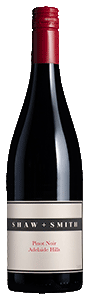 Light Juicy Reds
 AustraliaPinot Noir£35.00 per bottle(£46.67 per litre)
  Firm Structured RedsItalyNebbiolofrom £47.00 per bottlewhen you mix 12+(£62.67 per litre)SAVE £156.00
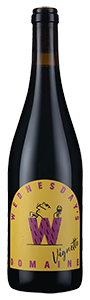 Ripe Smooth RedsSpainTempranillo-based blend£16.00 per bottle(£21.33 per litre)
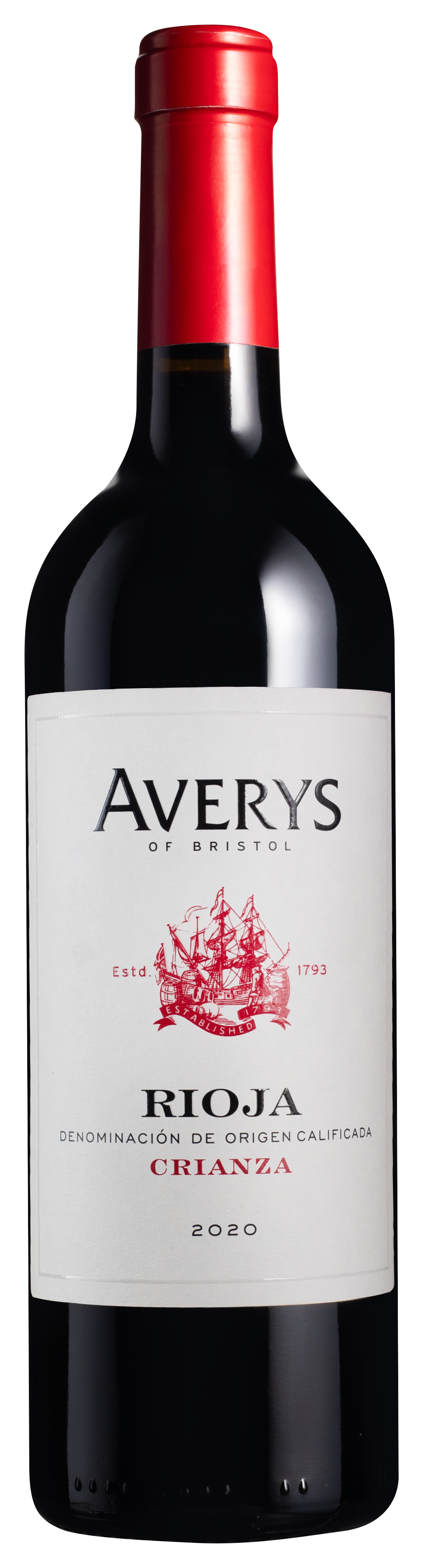 Firm Structured RedsSpainTempranillofrom £15.00 per bottlewhen you mix 12+(£20.00 per litre)SAVE £24.00
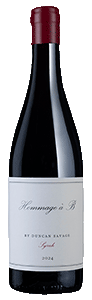 Ripe Smooth Reds
 South AfricaSyrah£28.00 per bottle(£37.33 per litre)
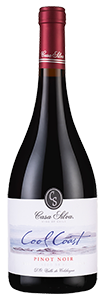 Light Juicy RedsChilePinot Noirfrom £18.00 per bottlewhen you mix 12+(£24.00 per litre)SAVE £24.00
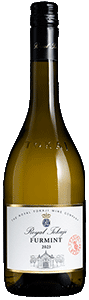 Rich Round Whites
 HungaryFurmintfrom £13.00 per bottlewhen you mix 12+(£17.33 per litre)SAVE £24.00
 Light Juicy Reds
 New ZealandPinot Noir£23.00 per bottle(£30.67 per litre)
 Firm Structured RedsFranceRed blend£19.00 per bottle(£25.33 per litre)
- Only 61 left
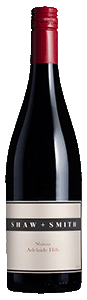 Ripe Smooth RedsAustraliaShiraz£35.00 per bottle(£46.67 per litre)
 - Only 9 left
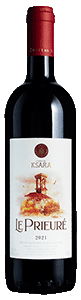 Firm Structured Reds
 LebanonRed blendfrom £18.00 per bottlewhen you mix 12+(£24.00 per litre)SAVE £24.00
 - Only 95 left
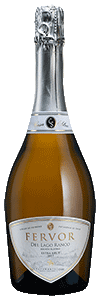 Champagne or SimilarChileChardonnay-based blendfrom £22.00 per bottlewhen you mix 12+(£29.33 per litre)SAVE £60.00
 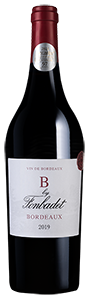 Firm Structured RedsFranceRed blendfrom £16.00 per bottlewhen you mix 12+(£21.33 per litre)SAVE £24.00
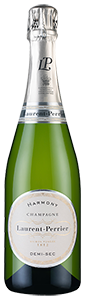 Champagne or SimilarFranceChardonnay-based blend£53.00 per bottle(£70.67 per litre)
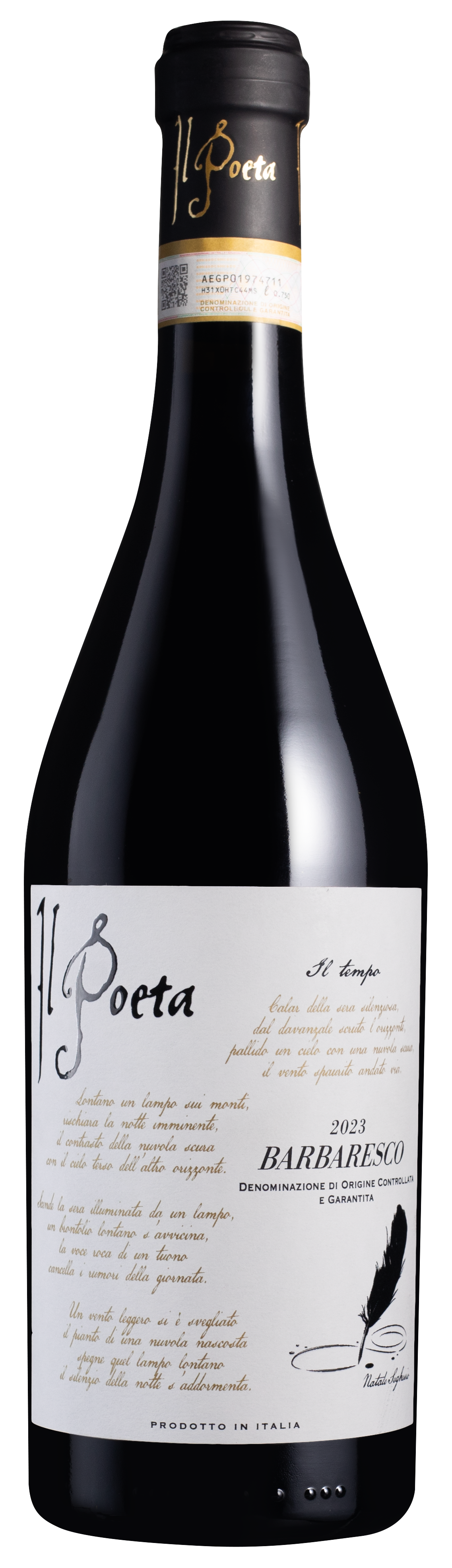 Firm Structured RedsItalyNebbiolofrom £19.00 per bottlewhen you mix 12+(£25.33 per litre)SAVE £36.00
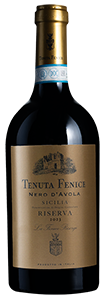 Ripe Smooth RedsItalyRed blend£19.00 per bottle(£25.33 per litre)
- Only 28 left
 Rich Round WhitesSouth AfricaChenin Blanc£27.00 per bottle(£36.00 per litre)
  Champagne or Similar
 United KingdomRosé blendfrom £22.00 per bottlewhen you mix 12+(£29.33 per litre)SAVE £36.00
Wine FAQs
What is vegan wine?
You’d be forgiven for thinking that all wine must be vegan, seeing that wine is made from naturally fermented grape juice. However, it’s the winemaking process that means some wines may not be suitable for people following a plant-based lifestyle.
Most wine requires clarifying before being bottled. This process removes tiny particles and impurities that are natural by-products of fermentation, leaving crystal-clear wine to enjoy. The only way to do this is to use fining agents, which bind with these particles in larger clumps so they can be filtered away. Traditional fining agents include animal-based products such as egg whites or gelatin.
Vegan wine uses alternative fining agents that are plant or mineral-based to achieve the same result. This makes vegan wines safe to consume for anyone who wishes to avoid animal-based products.
It’s not always a lifestyle choice. When customers started asking about our vegan wines, we sought more information from our family of winemakers around the world. It turns out that many traditional animal-related elements used in fining wine were no longer being used anyway as winemaking techniques modernise.
Some winemakers do not clarify their wines at all – essentially leaving them unfiltered – which makes them vegan-friendly by default.
What makes a wine vegan?
Wine is considered vegan if it has been made without using animal products. This refers to the use of fining agents, which work to remove unwanted particles created during fermentation that can give the wine a cloudy, unappealing appearance. Traditional fining agents are often made from:
- Albumen – more commonly known as egg whites.
- Gelatin – from the bones, skin or connective tissue of cows and pigs.
- Isinglass – the dried swim bladders of fish.
- Casein – a substance found in milk.
These filtering agents are used in small quantities and are removed from the wine once they’ve done their job. However, some trace amounts might remain and – as they aren’t additives – there’s no requirement for them to be listed on the bottle label.
If you’re looking for a wine made entirely without animal products, opt for a wine marked as ‘vegan’. These wines use synthetic or plant-based products as fining agents or forgo the clarification process entirely.
What fining agents are used in vegan wine?
Winemakers can use many different types of vegan fining agents to clarify and stabilise their wines. These include:
- Kaolinite – a type of clay that’s found across the globe, including the UK.
- Bentonite – a clay mainly found in the US.
- Activated carbon – sourced from coconut shells, wood, bamboo or coal.
- Plant casein – a protein extracted from peas, soy and other legumes.
- Silica gel – made from silicon dioxide and commonly found in minerals such as sand and quartz.
- PPVP (polyvinylpolypyrrolidone) – a synthetic polymer that’s made in a lab.
Does vegan wine taste different?
Made with the same grapes and in an almost identical way, a vegan wine will taste no different to its non-vegan counterpart. The fining agents used to clarify and stabilise the wine don’t impart any flavour, so you won’t compromise on taste by choosing a vegan option.
You might have a slightly smaller selection to choose from, but many wineries now offer vegan versions of their most popular bottles.
How can you tell if a wine is vegan?
Many wine brands recognise the demand for vegan wines and are taking extra steps to cater to vegan needs. Many wineries label their wines as being vegan-friendly.
It is also a common label on websites and restaurant wine lists. For example, check out our product pages and you’ll see vegan or vegetarian listed in the ‘More Information’ section.
The Vegan Society has a label that is sometimes displayed on wine bottles to verify that the product doesn’t contain animal ingredients or derivatives.
Even if a wine isn’t labelled ‘vegan’, it doesn’t necessarily mean animal products were used. Many winemakers now use vegan-friendly options as a matter of practice but are not explicitly stating it.
If you’re unsure whether a wine is vegan, you can check online or contact the winery directly.


