

Filter by
- Only 8 left
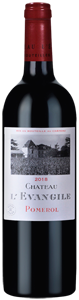 Firm Structured Reds
 FranceMerlot-based blendfrom £195.00 per bottle(£260.00 per litre)SAVE UP TO £5.00
 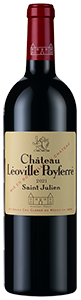 Firm Structured RedsFranceCabernet-based blendfrom £95.00 per bottle(£126.67 per litre)SAVE UP TO £10.00
- Only 72 left
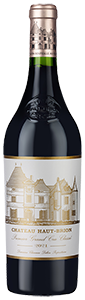 Firm Structured RedsFranceCabernet-based blendfrom £460.00 per bottle(£613.33 per litre)SAVE UP TO £130.00
 - Only 3 left
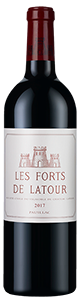 Firm Structured RedsFranceCabernet-based blend£200.00 per bottle(£266.67 per litre)SAVE £35.00
 - Only 12 left
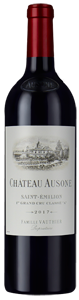 Firm Structured RedsFranceCabernet-based blendfrom £540.00 per bottle(£720.00 per litre)SAVE UP TO £210.00
 - Only 11 left
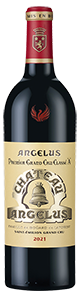 Firm Structured RedsFranceMerlot-based blendfrom £300.00 per bottle(£400.00 per litre)SAVE UP TO £65.00
 - Only 2 left
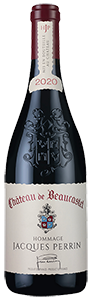 Ripe Smooth RedsFranceGrenache-based blendfrom £270.00 per bottle(£360.00 per litre)SAVE UP TO £60.00
 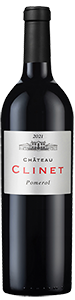 Firm Structured RedsFranceMerlot-based blendfrom £90.00 per bottle(£120.00 per litre)SAVE UP TO £5.00
- Only 68 left
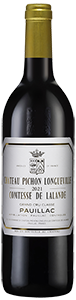 Firm Structured RedsFranceCabernet-based blendfrom £155.00 per bottle(£206.67 per litre)SAVE UP TO £35.00
 - Only 40 left
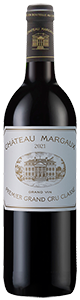 Firm Structured RedsFranceCabernet-based blendfrom £460.00 per bottle(£613.33 per litre)SAVE UP TO £130.00
 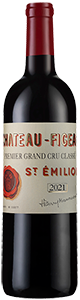 Firm Structured RedsFranceCabernet-based blend£200.00 per bottle(£266.67 per litre)SAVE £30.00
- Only 78 left
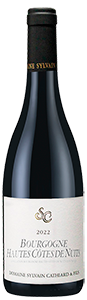 Light Juicy RedsFrancePinot Noirfrom £85.00 per bottle(£113.33 per litre)SAVE UP TO £10.00
 - Only 2 left
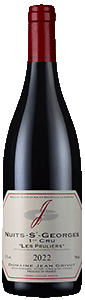 Light Juicy RedsFrancePinot Noir£110.00 per bottle(£146.67 per litre)SAVE £35.00
 - Only 26 left
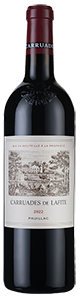 Firm Structured RedsFranceCabernet-based blend£240.00 per bottle(£320.00 per litre)SAVE £50.00
 - Only 3 left
 Firm Structured RedsFranceMerlot-based blend£310.00 per bottle(£413.33 per litre)SAVE £55.00
 - Only 6 left
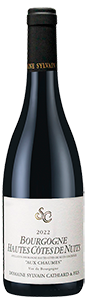 Light Juicy RedsFrancePinot Noirfrom £85.00 per bottle(£113.33 per litre)SAVE UP TO £15.00
 - Only 3 left
 Firm Structured RedsFranceCabernet-based blend£600.00 per bottle(£800.00 per litre)SAVE £30.00
 - Only 3 left
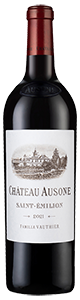 Firm Structured RedsFranceCabernet-based blendfrom £550.00 per bottle(£733.33 per litre)SAVE UP TO £145.00
 - Only 2 left
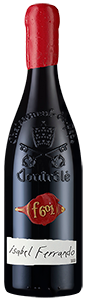 Firm Structured RedsFranceCinsault£375.00 per bottle(£500.00 per litre)SAVE £185.00
 - Only 17 left
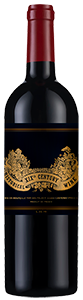 Firm Structured RedsFranceRed blendfrom £250.00 per bottle(£333.33 per litre)SAVE UP TO £75.00
 - Only 2 left
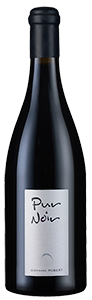 Firm Structured RedsFranceSyrahfrom £105.00 per bottle(£140.00 per litre)SAVE UP TO £40.00
 - Only 9 left
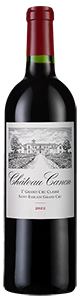 Firm Structured RedsFranceMerlot-based blendfrom £110.00 per bottle(£146.67 per litre)SAVE UP TO £60.00
 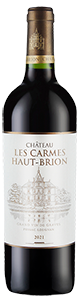 Firm Structured RedsFranceCabernet-based blend£110.00 per bottle(£146.67 per litre)SAVE £5.00
- Only 3 left
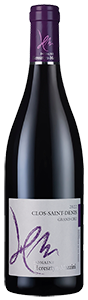 Light Juicy RedsFrancePinot Noirfrom £250.00 per bottle(£333.33 per litre)SAVE UP TO £90.00


