
- Home
- blog
- wines around the world
- Médoc Wine Explained: Regions, Grapes and Styles
What is Médoc wine
Lying in southwest France, Bordeaux is the country’s largest wine region and one of huge renown. Along its Left Bank (meaning the left bank of its Gironde river), lies the Médoc, home to some of Bordeaux's most famous classified growths and many of the world’s most sought-after wines. Yet there’s far more to the region than prestigious estates, beautiful as they are. Look beyond those top-echelon properties and you’ll discover an exciting range of wines, predominantly red but not exclusively, that suit a variety of budgets and upgrade any occasion … from casual barbecue to a formal dinner.
The region comprises eight different appellations – the Médoc, Haut-Médoc, Listrac, Moulis, Margaux, Pauillac, Saint-Julien and Saint-Estèphe – each with subtle variations in wine style which are explained further down the article.
In total, the Médoc has around 14,500 hectares of vines, representing 15% of Bordeaux vineyards. These produce close to 80 million bottles a year, nearly half of which is exported. Among its 600 châteaux, there are 60 Grands Crus Classés, 170 Cru Bourgeois estates and 33 Cru Artisans, each indicating a level of quality.
What grapes make up Médoc wines?
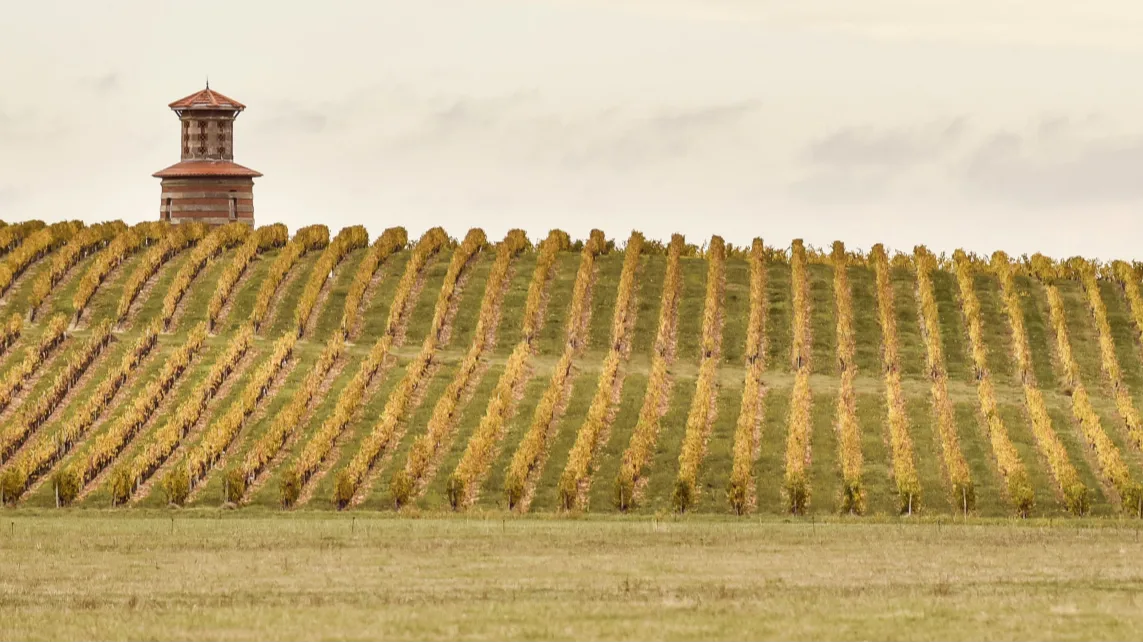
Cabernet Sauvignon is the dominant grape of the Médoc, well suited to the famous gravel soils and a moderate climate. This variety is supported by its Bordeaux friends Merlot, Cabernet Franc and Petit Verdot. Médoc wines can be fruity and fresh in their young years, but are best known for being well-structured, age-worthy red wines with rich dark fruits, firm tannins and some with the potential for long ageing.
While red wines dominate production, white wines are also part of the Médoc story. In 2026, an exciting new category of Médoc Blanc was introduced – mineral-fresh, gently oaked wines from Sauvignon Blanc, Sauvignon Gris, Sémillon or Muscadelle, or more commonly all four.
Where is the Médoc and how would you describe its climate?
The Médoc lies in southwest France with the Atlantic Ocean on its western edge and the Gironde estuary to the east, both of which do an excellent job at moderating the climate to be warm, with good rainfall in winter and spring (in optimal years), plentiful sunshine and cooling breezes. There are also extensive pine forests on the land closest to the Atlantic, the trees of which help protect vineyards from any harsh winds from the ocean.
Of course, vintages vary enormously, especially with today’s less predictable weather and rising temperatures, but generally speaking the area provides an excellent vine-friendly climate.
The origin of its name comes from the Latin ‘in medio aquae’ – between two waters, the Gironde and the Atlantic.
Terroir – it’s all about the soils
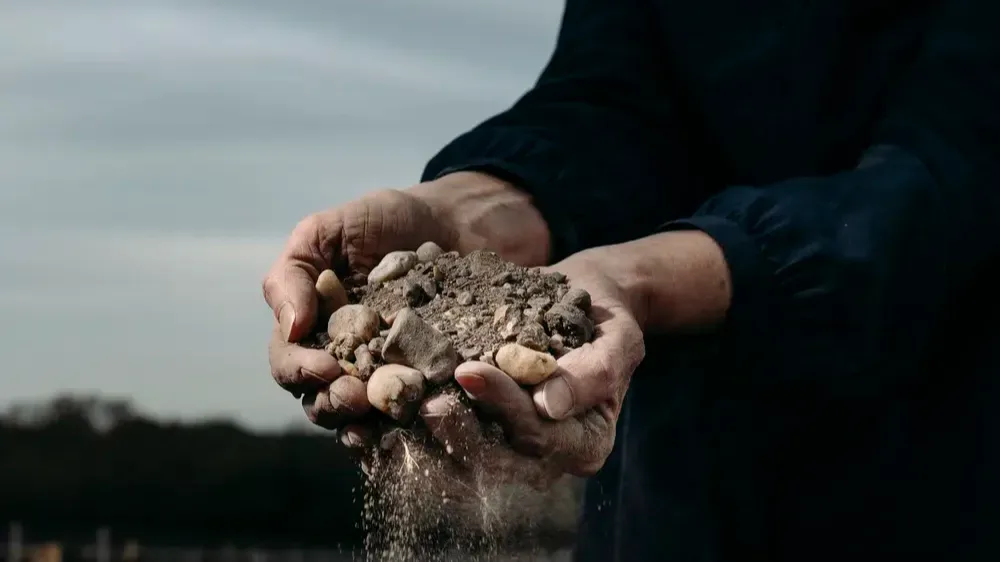
There are two main types of soil. The first is Pyrenean gravel brought down by the river at the end of the tertiary period (over 2 million years ago), mixed with sand, alluvial soil and Garonnaise gravel. This blend of soils is most common in the Haut-Médoc, further upstream, and its six commune appellations.
The second type of soil is predominantly clay and limestone, which excels in dry weather by retaining moisture, so the vines are less stressed. This soil is more common in Moulis, Listrac and Saint-Estèphe, as well as in the north of Médoc.
Considering the quality of its wines, the land is surprisingly flat but there’s no doubt the terroir – the combination of soil, climate and exposure – produces high-quality grapes and exceptional wines.
The Médoc classification system: 1855 and beyond
In 1855, by order of Emperor Napoleon III and as part of the Universal Exposition in Paris, there was an official classification of all the wines from the châteaux on Bordeaux’s Left Bank. It remains as important today as it was when it was first drawn up.
The properties and their wines were graded almost exclusively by the price that they fetched at the time, along with their quality and renown. It has only been revised once – that was in 1973 when Château Mouton-Rothschild in Pauillac was promoted from Second to First Growth.
Today, there are 61 Grands Crus Classés (four First Growths in the Haut-Médoc plus Haut-Brion in Pessac-Léognan, 14 Second Growth, 14 Third Growths, 10 Fourth Growths and 18 Fifth Growths).
Cru Bourgeois
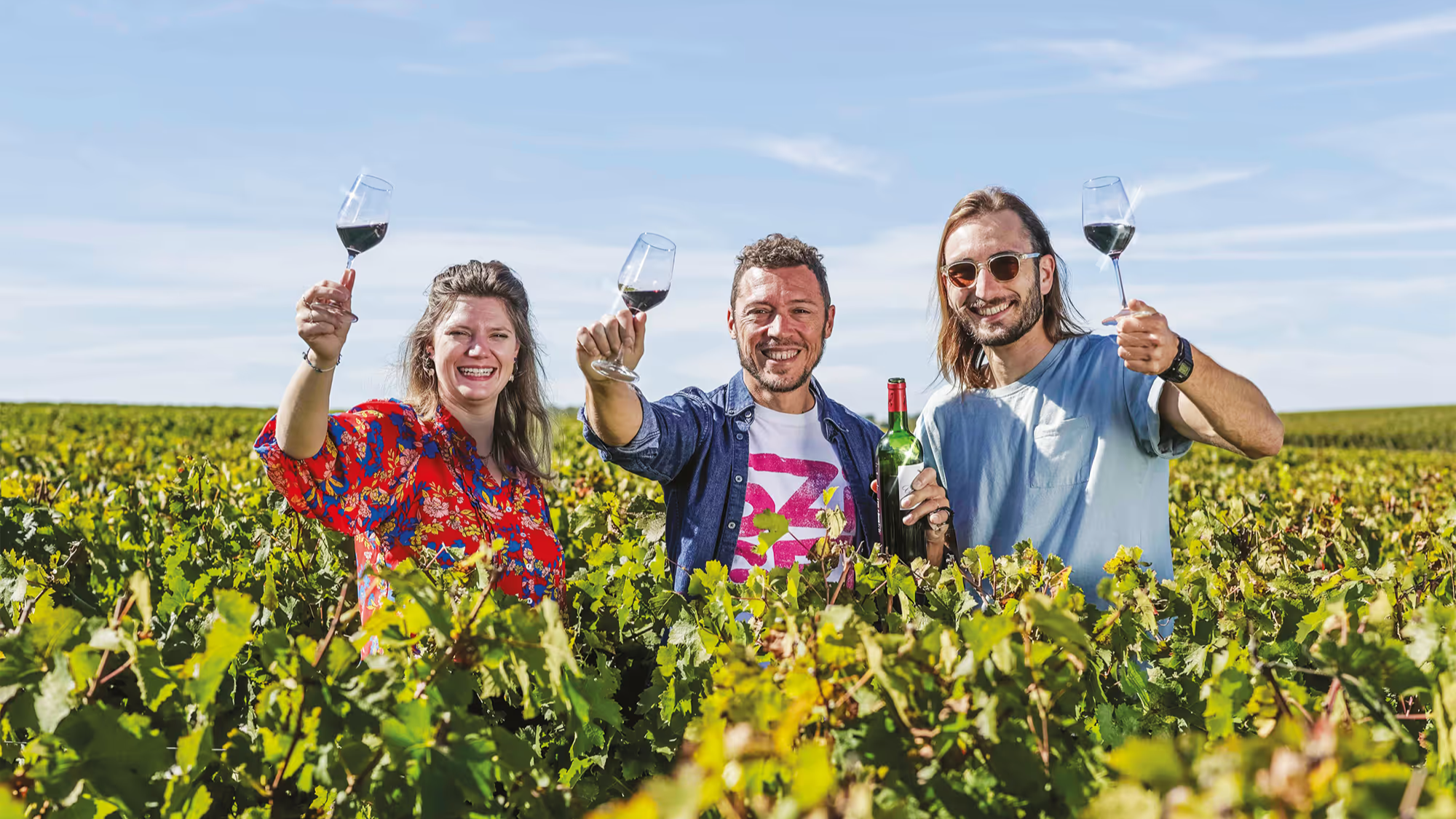
In addition to the classed growths, there are also Cru Bourgeois estates, awarded as a mark of quality. These are nearly all smaller family properties handed down through the generations and run with a great deal of commitment and passion. Their wines tend to be more affordable than the classed growths and make excellent drinking after 3-4 years, with softer tannins, although there are many that can benefit from longer ageing.
In 2020, authorities also introduced the higher tiers of Cru Bourgeois Supérieur and Cru Bourgeois Exceptionnel. Châteaux and their wines are reassessed every five years, so consumers can be certain of an up-to-date ranking of the property. The latest classification was in 2025, when 170 Cru Bourgeois were selected, including 14 Exceptionnels and 36 Supérieurs.
Cru Artisan
This designation was introduced 150 years ago in recognition of the properties which produce more than wine. In effect, farms with mixed agriculture – livestock and/or cereals alongside vineyards. Today the term applies to 33 well-respected properties throughout the whole Médoc region.
The history of Bordeaux and Médoc wine
Vines were first introduced to what is now known as the Bordeaux area in the 1st century AD and wines were exported from there as early as 100 AD.
Jump a few centuries and in 1152, Duchess Eleanor of Aquitaine married Henri Plantagenet, the future king of England. This saw the beginning of three centuries of English rule and France and England as strong trading partners. Transport to the port of Bordeaux, down the Gironde estuary, was easy by ship. Consequently, this period saw the growth of the Médoc’s vineyards as the English showed a particular liking for the French wine called claret, so called because of its light colour.
English rule ended with the Battle of Castillon in 1453 and with that the close trading partnership between these two countries. This left a gap for other nations to lend a hand, in particular the Dutch who, besides being partial to the wines, brought with them technical expertise in the vineyard and the cellar. They introduced the draining of the marshlands of the Médoc, the addition of sulphur to preserve wines and the topping up of barrels to preserve flavour and prevent oxidation.
Grand properties and fancy châteaux with vineyards started appearing from the 16th century onwards, when leading MPs and well-heeled merchants had money to splash and invested it in property and wine. Even at that time, property owners were aware that the Haut-Médoc’s gravel outcrops produced the finest wines. The 18th century was a golden age for the Médoc and a time of big investment and technical improvements.
Today the Médoc is a region renowned for its grand châteaux and equally grand wines, thanks to major investment by some big players – international banks and elite brands … but there are also small growers and family estates. What they all share is a passion and commitment for making high-quality (mostly) red wines by respecting the region’s great traditions but also embracing innovation and changing tastes. That includes the rise in white wine consumption.
Médoc
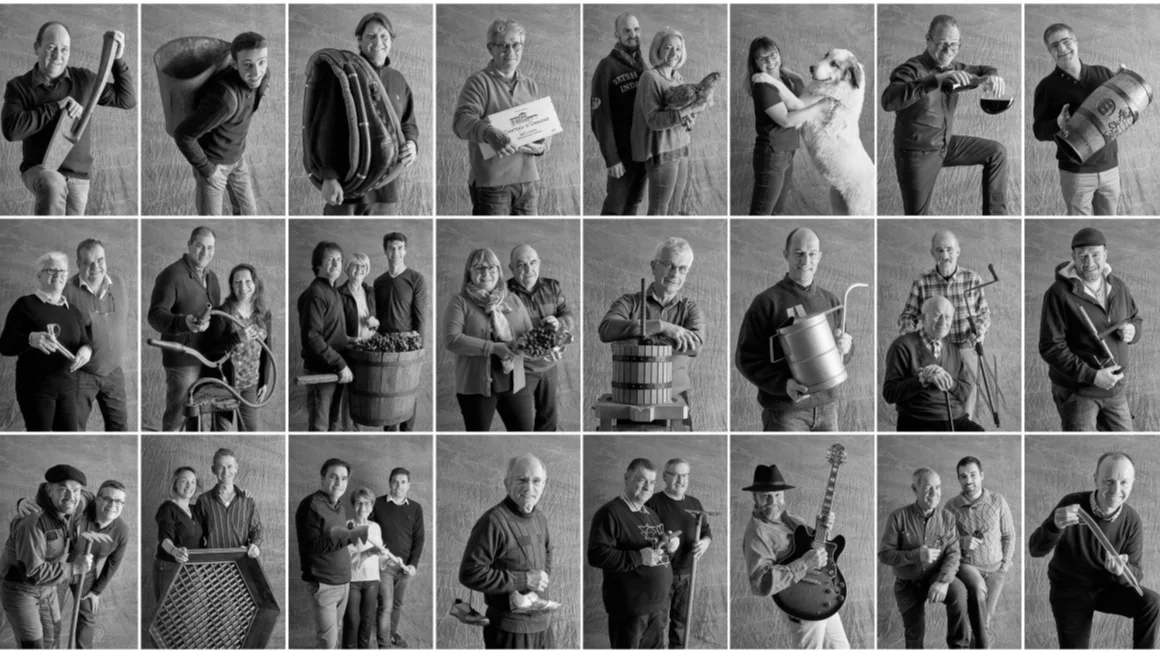
Although wines made in any of the eight appellations may label themselves Médoc, in practice most of the bottles will come from the north of the peninsula, closest to the pine forests and the Atlantic. This comprises about 34% of the whole Médoc area. Many of the estates are small here, which has resulted in the cooperative Les Vignerons d’Uni Médoc which takes on the ageing, bottling and marketing of the wines.
Soils and subsoils are varied with pockets of each type – Garonne gravel and Pyrenean gravel outcrops, with clay and limestone soils more common. Variety of soil, along with winemaking techniques, will be reflected in a slight variation of wine style.
Merlot and Cabernet Sauvignon are almost equal in the vineyards here, supported by Cabernet Franc and Petit Verdot, while oak barrels are common in the ageing of the wines.
The result is well-balanced red wines of richness and depth, with structure and the ability to age thanks to firm tannins. These wines are rich and characterful and tend to be highly affordable – an ideal choice for a simple supper or a barbecue with friends or a fancy roast.

Haut-Médoc
The Médoc was split into the Médoc (formerly known as Bas Médoc) and the Haut-Médoc in 1935, with the latter the area furthest upstream on the Gironde River. It stretches 60 kilometres from north to south – from Saint Seurin de Cadourne to Blanquefort nearest Bordeaux city – and accounts for 29% of the whole Médoc area.
The region is renowned for its outcrops of gravel soil which produce its finest wines. These wines are full bodied, but always elegant and well-balanced with Cabernet’s classic deep colour and dark cassis fruit, firm tannins and freshness, gaining considerable complexity as they age.
Listrac-Médoc
As early as the 18th century, Listrac was famous for its wines. It gained appellation status in 1957 and today accounts for 2% of the Médoc’s vineyards.
The region lies furthest from the river, on the west side, between Moulis and Saint-Julien, and boasts the highest point of the Médoc (at 43 metres). Cabernet Sauvignon thrives on the three Pyrenean gravel outcrops on the west side and the single Garonne gravel outcrop on the east, while Merlot – the dominant grape here – excels on the region’s central plateau of limestone. Consequently, its wines tend to be rounder and fleshier, yet still structured, with red fruits and vivacity.
Moulis-en-Médoc
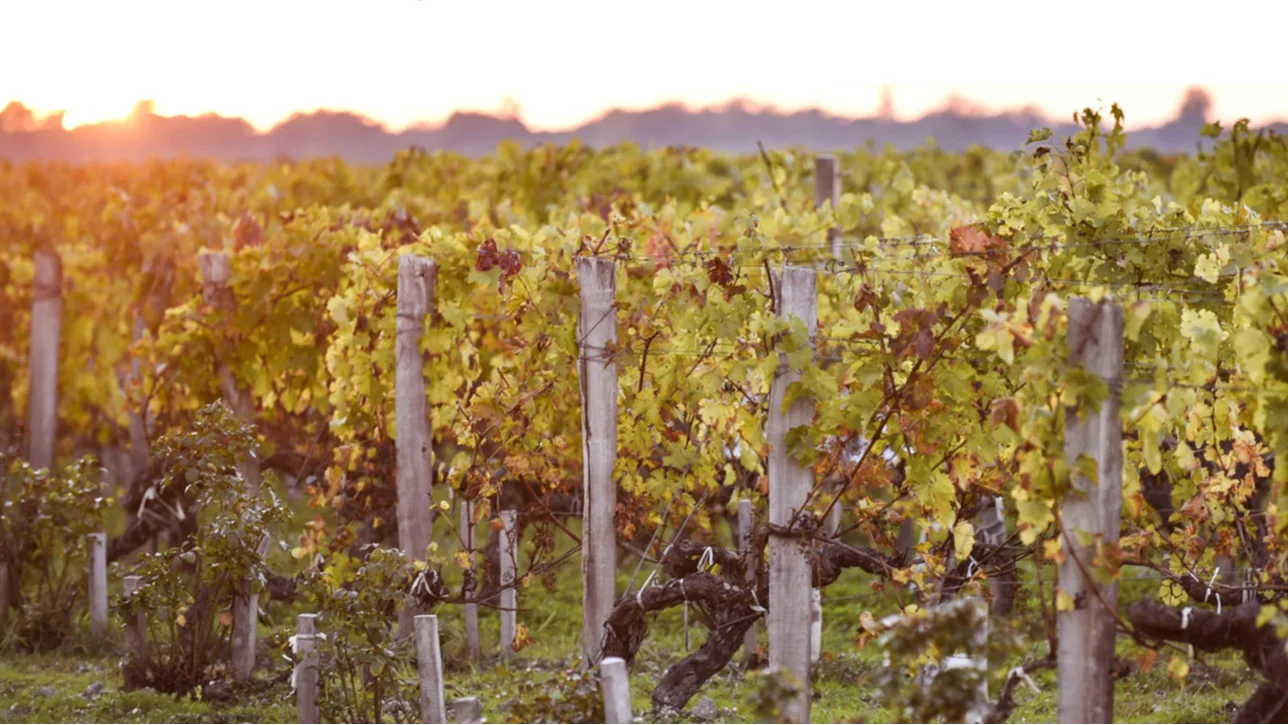
Moulis-en-Médoc is one of Médoc’s smallest appellations, directly south of Listrac on the west side of the Haut-Médoc, away from the river. It is said to take its name from the windmills and watermills that once dotted its landscape.
There is mention of vineyards planted there as early as the 13th century, with its reputation for fine wine cemented by the late 1700s.
Today its properties are mostly small and family-owned, with 92% of vineyards environmentally certified.
Margaux
One of the Haut-Médoc’s most famous appellations and home to First Growth Château Margaux, this is the largest of the commune appellations with over 1500 hectares of vines, representing 9% of the entire Médoc. It lies 25km north of Bordeaux city, on the banks of the Gironde estuary, just before it splits into the Garonne and the Dordogne.
Vines are said to have been planted there in the Gallo-Roman era (we’re talking 1 BC/early AD) but its rise to prominence came at the end of the 18th century. This pre-eminence was cemented at the 1855 Classification which recognised 21 properties as Crus Classés.
AOC status was granted in 1954 and today it is the only commune appellation with the full range from First to Fifth Growth, Cru Bourgeois and Cru Artisan. Its soil is Garonne gravel mixed with pebbles over a subsoil of clay-marl-limestone, producing some of the most sought-after wines of the whole peninsula.
Margaux’s wines are often described as ‘feminine’ and offer a delicacy, elegance and finesse, with bright fruit in their youth and smooth, polished tannins, and decades of ageing potential in the best wines. Each wine will show the typicity of the region but also have its own individual character.
Pauillac
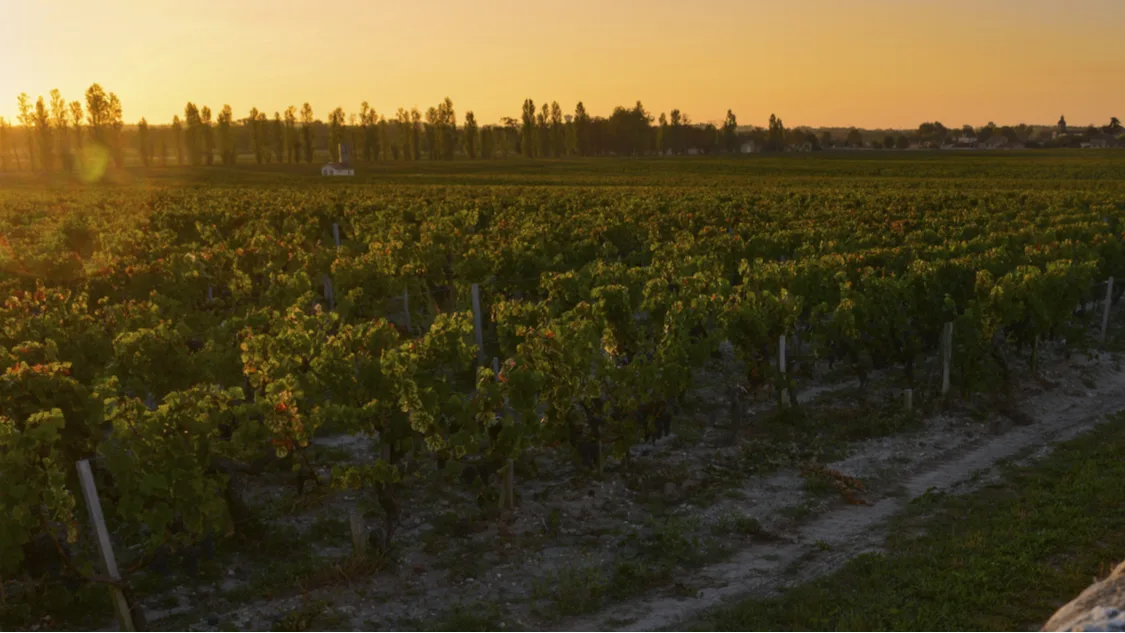
A little further upstream and next door to Saint-Julien lies Pauillac, most famous for its three First Growth estates – Mouton-Rothschild, Lafite and Latour … magical names to any lover of fine wine.
The region gained appellation status in 1936 and contains almost as many Grands Crus Classés as Margaux nearby, with 18 compared to Margaux’s 21. 90% of Pauillac’s output is Grand Cru Classé. And at the other end of the (more affordable) scale, they also boast one cooperative.
Its 1200 hectares of vineyard stretch along the Gironde estuary, blessed with poor gravel soils mixed with a little sand and clay, that drains most effectively and produces powerfully structured, muscular wines with dense fruit, firm tannins and depth. Look for notes of cassis, black cherry, liquorice, rose petal and exotic spice, developing layers of complex flavours with ageing. Most wines tend to require some cellaring. Cabernet Sauvignon is certainly king here, with supporting roles from Merlot, Malbec and Petit Verdot.
Interestingly Pauillac also has a PDO (protected designation of origin) for its lamb, a clear sign that Pauillac wines and lamb are perfect partners.
Saint-Julien
Just south of Pauillac and very close to the Gironde estuary, Saint-Julien may be small in size but makes up for that with the outstanding quality of its wines. Its vineyards account for 6% of the Médoc’s total, but unlike say Pauillac, with its 47 properties and growers, and Margaux’s 62, Saint-Julien only has 19 estates and eleven of those Grand Cru Classé. Indeed, 90% of its output is made by Grand Cru Classé estates – no First Growths admittedly, but five much-admired Second Growths, two Thirds Growths and four Fourth. These tend to be large properties, many of them centred around the main villages of Beychevelle and Saint-Julien.
The secret behind the supreme quality and consistent character of this commune’s wines is the appellation’s uniquely homogenous terroir – a temperate climate that varies very little and that prized gravel soil.
Cabernet Sauvignon is key to its wines (60%) for structure, power and deep cassis, blueberry and blackberry fruit, edged by tobacco, truffle and leather as a wine ages, while a little Merlot adds soft, velvet roundness. These wines are all about elegance and harmony.
Saint-Estèphe
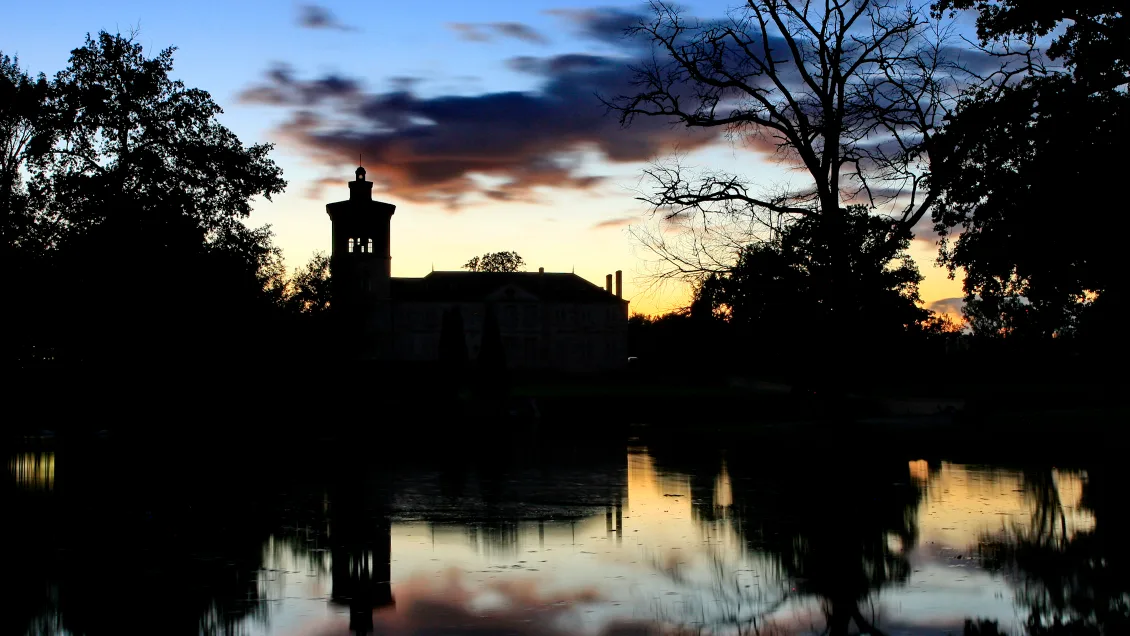
With 69 independent properties, one cooperative and vineyards covering 1,110 hectares, Saint-Estèphe represents 7% of the Médoc’s total land under vine. It is the Haut-Médoc’s second largest commune appellation.
More modest in its Grand Cru Classé numbers, it has five of these, 9 Cru Bourgeois and three Cru Artisan. Among its best-known estates are Cos d’Estournel and Calon-Ségur, but it also has many small, little-known properties which produce under-the-radar wines at very reasonable prices.
Cabernet Sauvignon accounts for 50% of plantings with 40% Merlot and the rest Cabernet Franc and Petit Verdot. These varieties perform well on its gravel soils – a mix of small river stones, white quartz, sandstone, flint, volcanic Lydian stones and millstones – all blended with a little sand and clay in varying proportions. Underneath lies its famous marine limestone subsoil, mixed with clay, which lends a robustness and rusticity to its red wines. These tend to require some ageing to show at their best. Unlike Saint-Julien, these soils are not homogenous which accounts in some part for the range of styles among its wines.
What you can expect, however, is deep colour, a backbone of firm tannins, intense blackcurrant fruit, with a lift of violets, spice and mocha on the aroma. These wines reward some cellaring but can be delicious for earlier drinking if you decant the wine a couple of hours before you serve it.
Food pairings for Médoc wine
Wines from the Médoc region are famous for their full-bodied, tannic structure and dark fruit flavours, and pair exceptionally well with rich, hearty dishes. Beef, lamb and game are all excellent options whether that is a roast dinner or in a rich casserole. Try slow-cooked leg of lamb, a classic with Pauillac.
Alternatively enjoy a glass with Entrecôte à la Bordelaise, a local dish of beef steak cooked in a rich red wine, shallot, and bone marrow sauce. Slow roast shoulder of lamb with potato Dauphinoise is also an excellent pairing.
Strongly flavoured cheeses like mature Cheddar or Reserve Comté, can also balance the powerful character of wines from the Médoc.
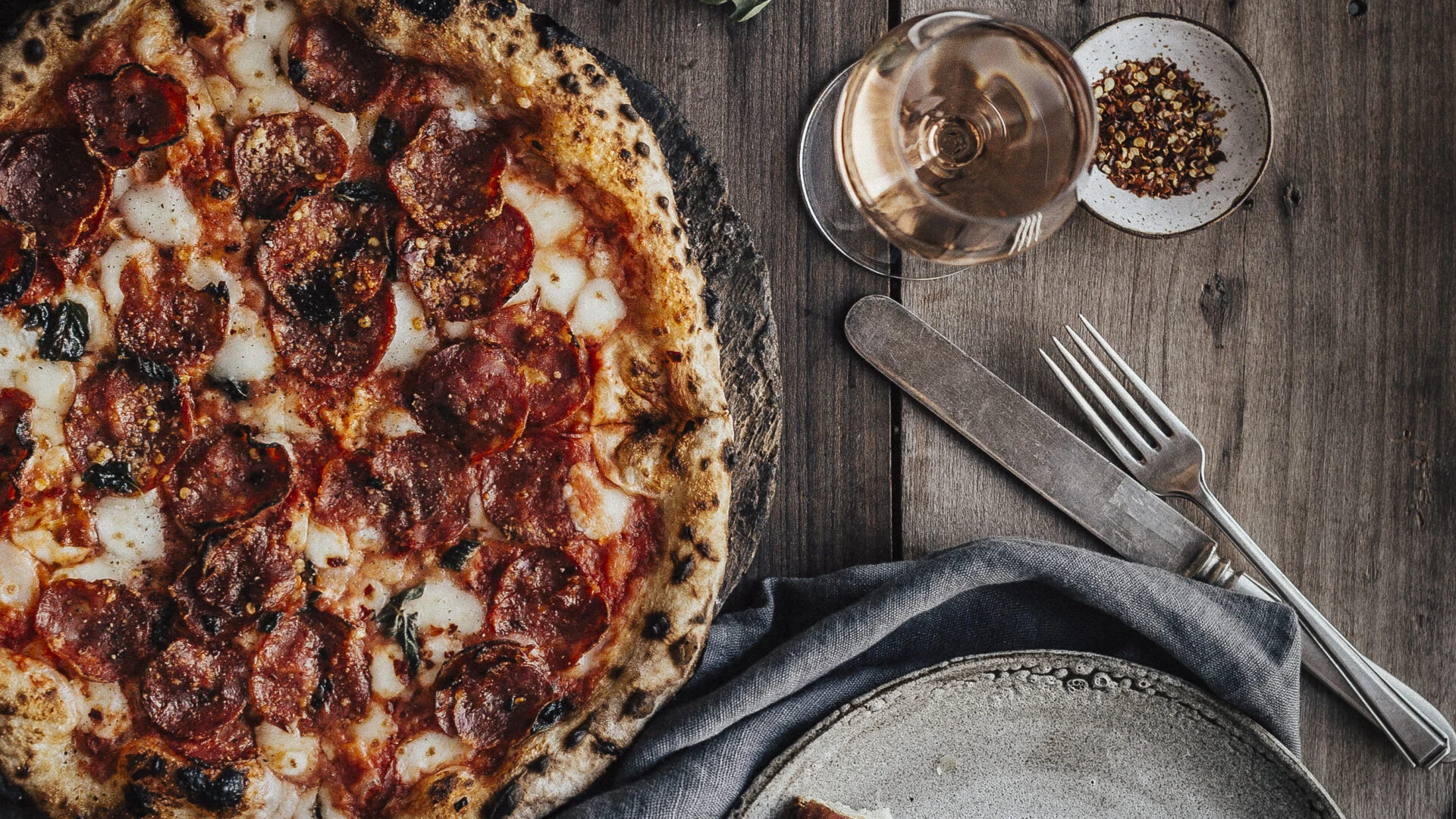
Or go off piste and take chef Killian Martin of Saint-Estèphe’s Phélan-Ségur’s advice – serve an older vintage with a ‘late-summer pizza’.