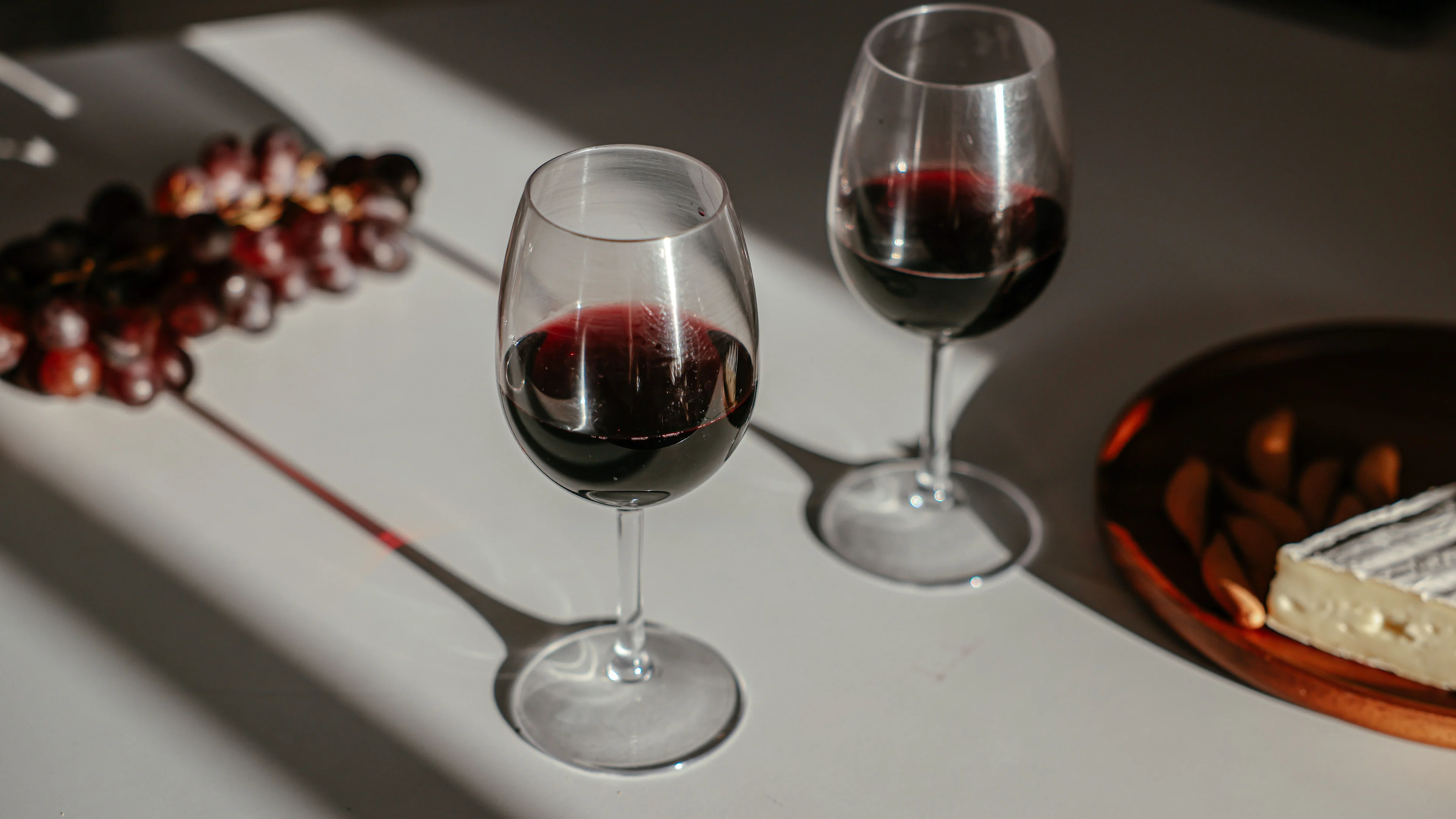

What is Tempranillo?
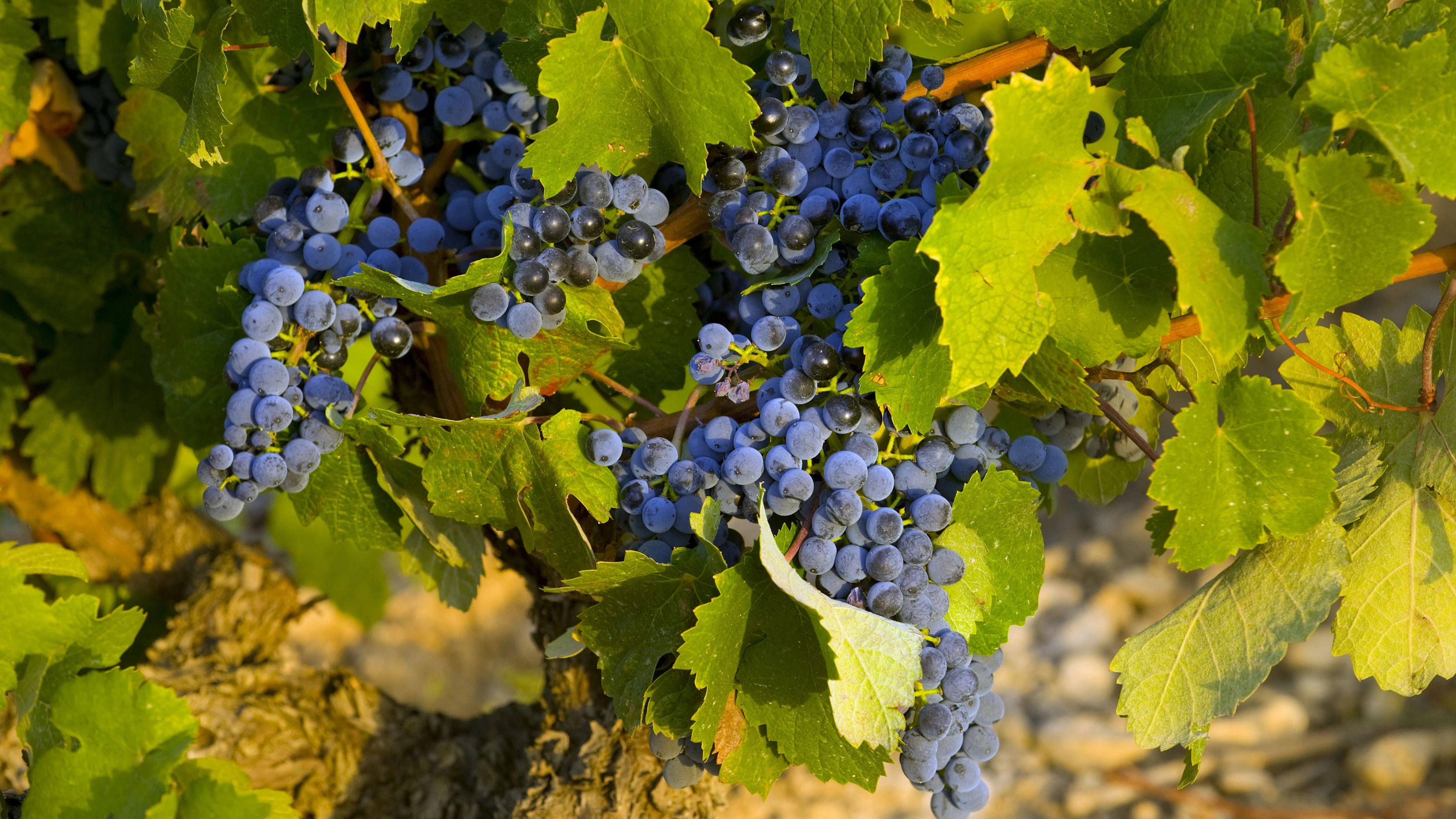
Pronounced temp-ra-nee-oh, Tempranillo is an early ripening, black-skinned grape, most famous for being a key component of Rioja.
Native to northeastern Spain, the grape grows widely throughout the country under a huge range of aliases and is often thought of as Spain’s premier grape.
With around 230,000 hectares planted globally, Tempranillo is the third-most planted grape in the world. And most of that – around 90% – is found in Spain, with small parcels grown in Portugal, Argentina, Australia, plus a smattering in New Zealand and in California and the Pacific Northwest in the United States.
Depending on where it is grown, Tempranillo goes by a number of different names, including Tinto Fino, Tinto de Toro, Jancivero and Ojo de Liebre in Spain, and Aragones, Tinta Roriz and many others in Portugal.
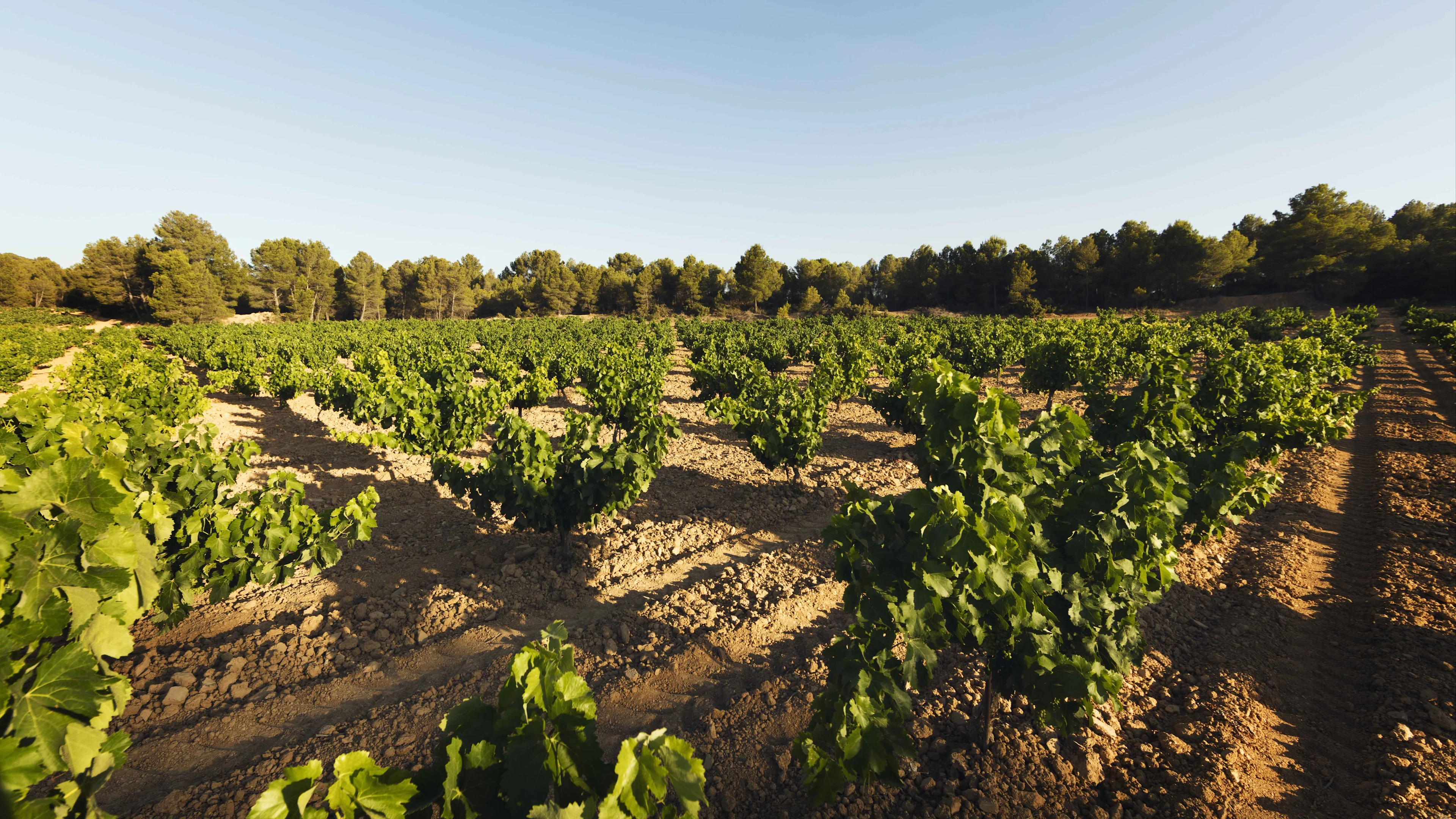
Rioja and Tempranillo
Tempranillo plays a major role in Rioja’s bottlings. The wines can be 100% Tempranillo or blended with indigenous varieties Garnacha, Graciano and Mazuelo (aka Carignan). Although these wines have a reputation for deep cherry and red berry fruit tempered by coconut and vanilla spice, their taste, again, often comes down to their level of maturity.
To delve deeper into the wonderful wines of Rioja check out our Guide to Rioja Wines here, and explore their balance of tradition, quality, and value.
Rioja labelling
Rioja is most often classified by age. Young expressions labelled as joven do not have a minimum ageing requirement and are often fresh with hints of strawberry.
Bottles labelled as Crianza are aged a minimum of two years, one of which must be in barrel, and are a bit more complex, with cherry, plum, raspberry and tobacco leaf flavours melding with touches of vanilla and spice from the oak.
Reservas, aged at least three years, with one of those years being in oak, show off Tempranillo’s fruit marrying it with hints of tobacco leaf, leather, baking spice and coconut if the oak is American. Spice is more subtle if the wood is French.
And those called Gran Reservas must spend two years in barrel and three years in bottle, and can be deeply savoury, with complex, dark fruit and pronounced vanilla, coconut, cinnamon, tobacco leaf and leather flavours.
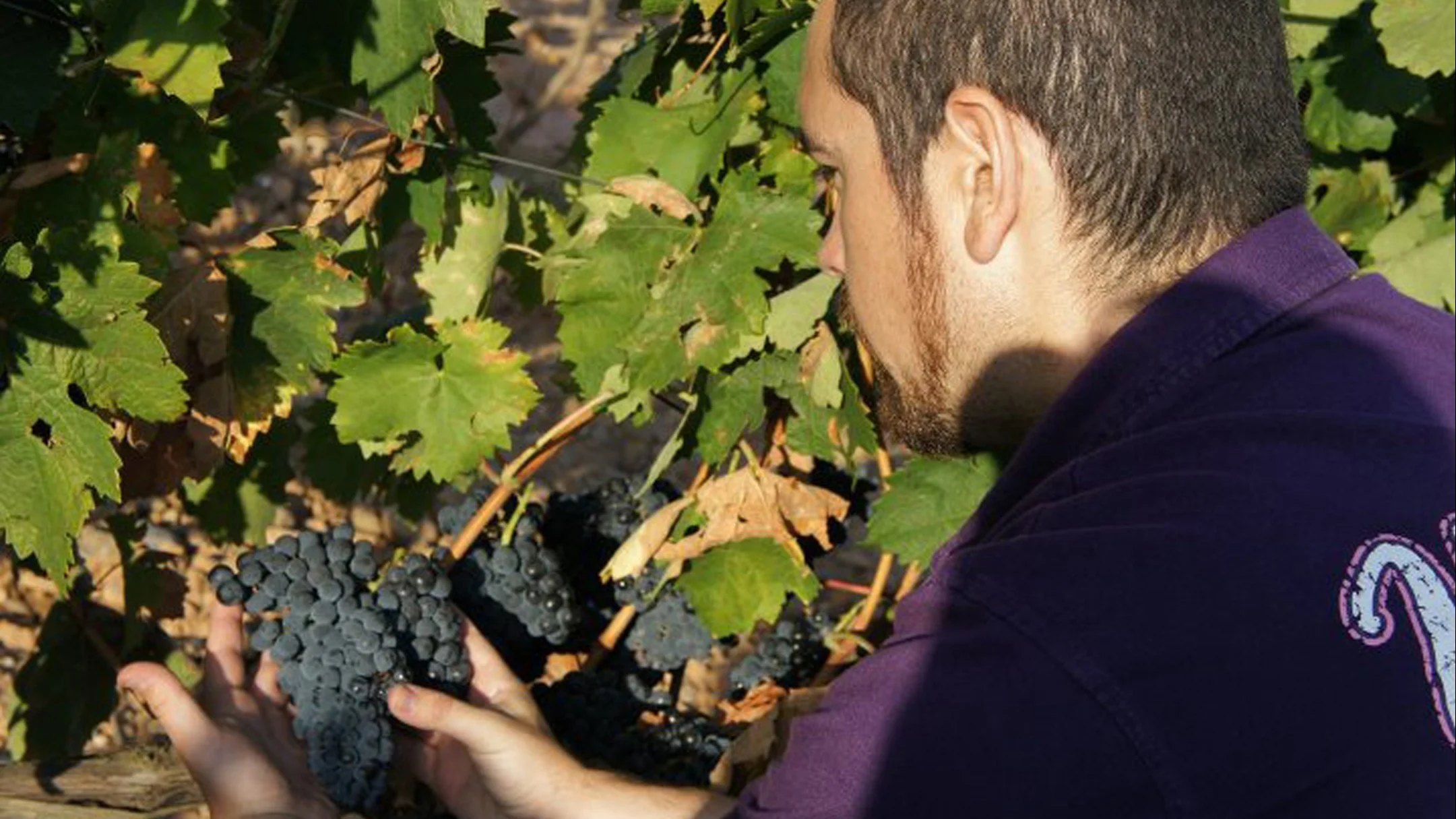
Is Tempranillo a Dry or Sweet Wine?
Tempranillo wines are dry, with intense juicy red fruit flavours of cherry, strawberry, raspberry and plum … flavours that mellow with age.
Is Spanish Tempranillo the Best?
As with any wine, whether one country’s version is ‘the best’ depends largely on personal preference. However, it’s worth noting that Spain is the birthplace of the Tempranillo grape, and Spanish winemakers have centuries of experience in growing and vinifying the variety.
Explore our full range of Spanish Tempranillo wines.
What food pairs well with Tempranillo?
Young, fresh Tempranillo is great to sip on its own, but certainly not exclusively. They are versatile with food too. However, older or oakier styles with savoury, complex flavours are better matched with food. Here are some common pairings:
Meat and Tempranillo
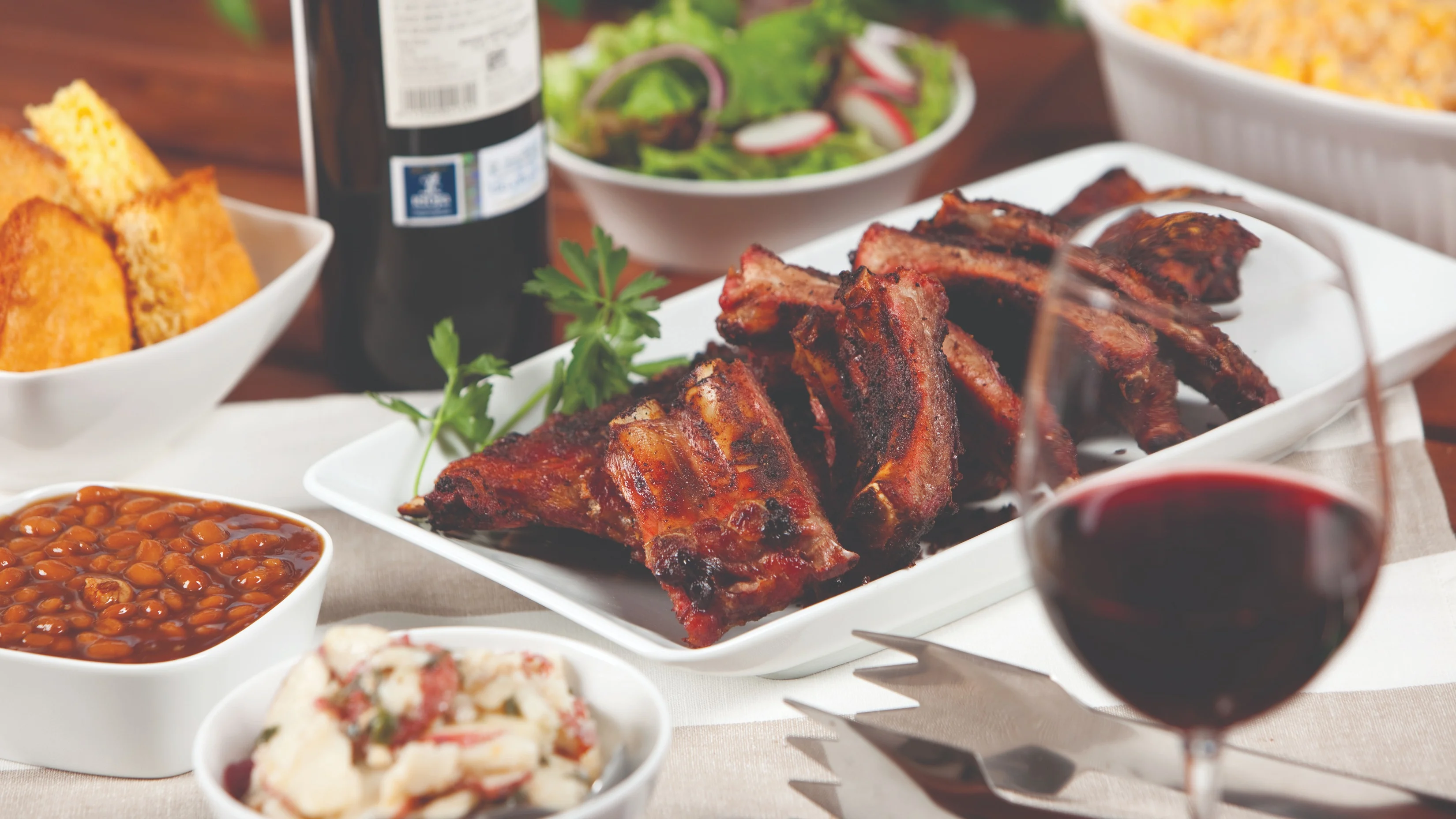
Thanks to Tempranillo’s natural acidity, it pairs well with robust, fatty meats, lamb in particular (just look at Rioja, home of Tempranillo, the most famous dish of which is tender, grilled lamb cutlets cooked over an open fire). The wine’s acidity cuts through the richness and fattiness of the meat. Grilled or barbecued meats also work well, as the charred flavours echo the wine’s smoky spice.
Pork is another fatty meat that benefits from Tempranillo’s acidity, while chicken works well with the lighter, fruitier styles.
Older, oakier wines work beautifully alongside the richer flavours of game.
Hearty stews
Richer, oak-aged versions of Tempranillo with softened tannins and complex fruit and oak spice notes are excellent with a full-flavoured, long-cooked casserole – try with a version of estofada de ternera – a Spanish beef and potato stew.
Classic Spanish dishes like pork with garlicky butter beans or chickpeas or a cassoulet-style dish of sausage and lentils are a magical combination with a fruitier style of Tempranillo.
Rice dishes
A fruitier style of Tempranillo makes a great match to spicy rice dishes – pilaf with chorizo perhaps. Alternatively try a gently oaked version with chicken tagine flavoured with olives and preserved lemon.
Tempranillo rosé would also be perfect with paella and a vegetable pilaf … possibly also with the subtle flavours of a biryani.
Tapas
Rioja, home of Tempranillo, is famous for its tapas – from chorizo to garlic mushrooms, tortilla to padron peppers.
Young, fruity Tempranillo is an ideal match to cover all those sorts of small plates, so fashionable at restaurants today.
Roasted Vegetables
When roasted, root vegetables and mushrooms become increasingly earthy and caramelized, which can highlight similar earthy notes in Tempranillo while complementing its fruit flavours.
How to Serve Tempranillo Wine
Serve Tempranillo wines in a tulip-shaped glass, so you can gently swirl the wine and release the aromas, while the glasses’ narrower neck funnels them up towards your nose. This allows you to enjoy its full bouquet.
Decanting is often recommended for fuller-bodied wines, especially those that are aged. The brief exposure to air can help release all the flavours and soften any edges. For most wines, decanting 30 minutes before serving will be sufficient.
Younger and lighter styles of Tempranillo, and Tempranillo rosés, do not usually need to be decanted.
Should You Chill Tempranillo Wine?
Most Tempranillo is best served at a cool room temperature – 16-18°C. Light, fruity styles of Tempranillo can be lightly chilled – say, 30 minutes in the fridge to lend a fresher edge, especially charming in warmer weather.
Pink versions are best served well chilled to around 7-8°C – that’s about two hours’ chilling in the fridge or 30 minutes in a bucket of ice and water.
If you're unsure, than check out our Wine Temperature Serving Guide to learn more.