
Red WineWhite WineRosé WineChampagne & SparklingFine WineBin Ends View All OffersMixed CasesMedal WinnersBestsellersTop RatedOnline CatalogueNEW: Mature Bordeaux Crisis Deals – SAVE up to 40%Aussie Emergency Deal Showcase SAVE up to £23225% OFF standout fizz from Laurent-PerrierBestselling South African white Bees Knees – 20% OFFSAVE £31 on bestselling redsNo.1 bestselling Rioja Barón de Barbón – 20% OFFAward-winning Warner’s Rhubarb Gin – 25% OFFMagic Argentinian Malbec – 35% OFF add-on dealNEW vintage Provence Rosé – just £12.99 a bottleRed WineWhite WineRosé WineChampagne & SparklingNo and Low AlcoholDessertFortifiedWine BoxesMiniaturesHalf BottlesView All WineFranceItalySpainPortugalAustraliaNew ZealandBordeauxBurgundyCavaChateauneuf Du PapeMargauxRiojaBeaujolaisChablisSancerreNapa ValleySauvignon BlancPinot GrigioMerlotMalbecPinot NoirChardonnayCabernet SauvignonRipe Smooth RedsFirm Structured RedsLight Juicy RedsCrisp Fresh WhitesRich Round WhitesPale Dry RoséBright Fruity RoséChampagne or similarFresh Fruity FizzWhat's your wine style?Red WineWhite WineChampagneEnglish SparklingDessert WineView All Fine Wine Up to £5.99£6 - £7.99£8 - £9.99£10 - £14.99£15 - £24.99£25+RedWhiteRoséSparklingBestsellersBlack RedsAll Mixed CasesTrioSixTwelveBulk DealsLuxury Portuguese Black Red Reservas – 30% OFF add-on dealDelicious Chardonnay mix for just £8.99 a bottleTop-quality Bordeaux Reds Mix – SAVE £49Bumper Kiwi Sauvignon Showcase – £71 OFFRich, dark Rioja mix – SAVE £50Bright, juicy, charming Beaujolais – 20% OFF15-bottle white wine essentials – just £7.99 a bottleAdd-on beer deal – Primator Premium Pilsner less than £2 a bottle!Smooth Merlot mix just £8.99 a bottle12-month Bestsellers price cap deal!Vineyard PartnersWine Gift SubscriptionsHow subscriptions workBenefits of joining a Wine ClubManage my SubscriptionsUnlimitedUnlimitedRed Wine GiftsWhite Wine GiftsSparkling GiftsGift hampersChocolate GiftsGift Boxes & AccessoriesBeer GiftsCheese & WineGift cards All GiftsBirthdays Congratulations Wedding Thank You Engagement Anniversary For HerFor Him Under £30Under £50Under £100Over £100GinBrandyWhiskyVodkaRumTequilaBin EndsView All SpiritsAll BeerLagerIPABeer Mixed casesBeer OffersCiderCider OffersHawkstone - beer from Clarkson's FarmLoose Cannon - Craft beer from the heart of OxfordshireSipsmith - spirits of quality and characterWine Festival - ManchesterPartner Events Taste with Laithwaites - In StoreBordeaux Tasting TourAbout & FAQ'sAll Events Wine GuidesUnlimitedWedding ServiceCorporate ServicesCorporate GiftsContact UsStore FinderEvents in StoreWhat's Your Wine Style?How Long Does Wine Last After Opening?How To Perfectly Pair Cheese and WineCrémant - The unsung hero of French FizzFood & Wine PairingsCelebrating Special OccasionsLearn About WineExplore all articlesWine Shop by Telegraph Media GroupTom Gilbey’s Signature Six SubscriptionThe Kew Series by LaithwaitesBritpop by Alex JamesEnglish Heritage SeriesGood Food and LaithwaitesView all partnersBROWSE ALL WINES
  • Home
  • blog
  • learn
  • Craft Beer Styles Explained


With so many types of craft beer to explore, it can be hard to know where to start and what to expect. A dizzy array of style, tastes and aromas from punky sours to hoppy IPAs and dark, sticky porters.

The good news is that whatever beer you choose, you can enjoy riveting, uncompromising tastes that take you further than many beers found on supermarket shelves. 

If you're new to the craft beer scene, or simply a seasoned sipper in search of something new, our guide to the different types of craft beer will help you pick the perfect one for you.


Ale vs Lager: The Key Difference (and Why It Matters)

Craft beer is lovingly brewed, and there are thousands of variations in flavour, aroma and colour.

But when you get down to it, the biggest dividing line is fermentation: the yeast used and the temperature it works at. Generally, most beers fall into one of two families - lager or ale.

  • Lager – Typically fermented with a bottom-fermenting yeast (Saccharomyces pastorianus). Lager yeast performs best at cooler temperatures (around 10°C). Because cooler fermentation produces fewer esters (the fruity notes you often find in ales), lagers tend to taste cleaner and let the malt character - and hop bitterness, depending on the style - come through more clearly. The nickname “liquid bread” comes from describing a German Doppelbock, a high strength chestnut coloured lager.
  • Ale – Typically fermented with a top-fermenting yeast (Saccharomyces cerevisiae). Ale yeasts are happiest at warmer temperatures (around 18–22°C) and often create more expressive esters and phenols, which can show up as fruity and/or spicy aromas. There’s also a far wider range of yeast character within ales, from clean and subtle to boldly aromatic.
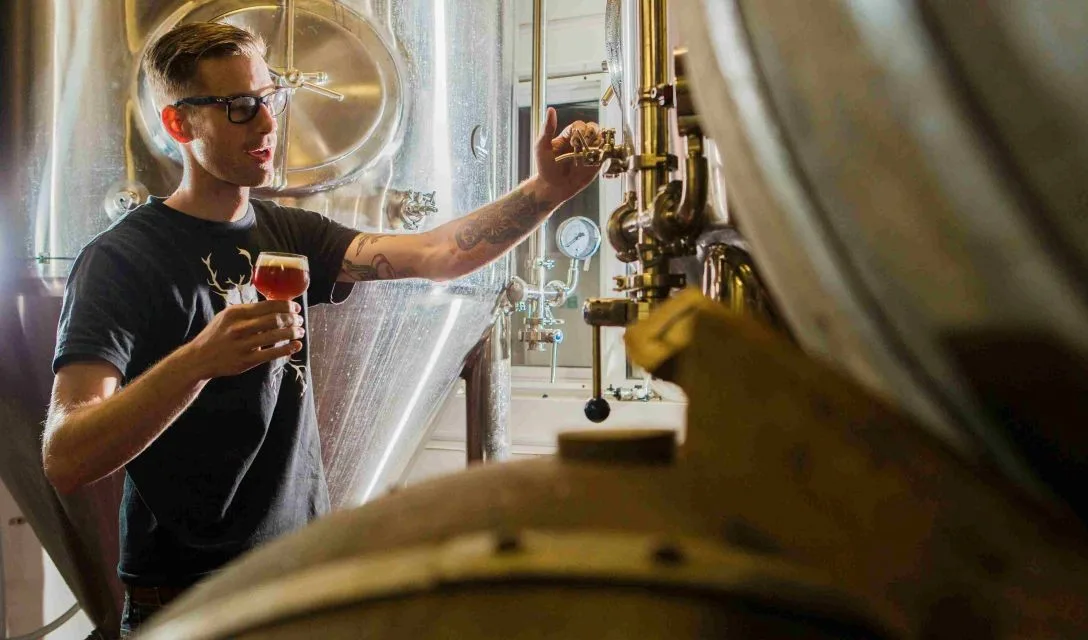
But yeast is only half the story. Brewing style, hop varieties, malt selection, water profile and technique all shape the final beer - and they’re what turn these two broad families into dozens of distinct styles.

Ales cover a huge spectrum, including India Pale Ales (IPAs), pale ales, stouts, porters and many Belgian styles. Lagers have their own line-up too: German Helles, Czech Pilsner (yes, pilsner is a style of lager), plus Bock and Dunkel, to name a few.

To complicate things further, some brewers tweak fermentation by introducing bacteria and wild yeasts, creating “punky” sour beers and traditional lambics such as Gueuze and Kriek. Then there are slow-aged classics like Flanders Red and Oud Bruin - styles that can take years to make and offer a complexity that rivals fine wines and spirits.


Common types of craft beer

There’s a riot of types, subtypes, spinoffs and inventions that it can be hard to pin down every possible style of craft beer. Instead, we've provided an overview of the major craft beer types, key facts and characteristics to help get you started.


Lager

Most people’s beer journey starts with a lager. And nothing is wrong with that – the craft of brewing lager is a fine one, with the delicate flavour, aroma, and crispness of lager that in many respects are harder to achieve than a more forgiving stout or pale ale. And here’s the funny thing. The evolution of a beer connoisseur often starts  and ends at lager. It can be a simple pleasure or a complex indulgence all at once.

A pale lager should be bready, floral, and well carbonated but subtle. The difference between a proper, all malt lager matured for 8 weeks, and an inexpensive macro beer is night and day. ‘Lager’ is the German word for ‘to store’ so patient maturation is a key part of quality lager production. The end result should have a medium-full mouthfeel and persistent creamy head – the hallmarks of a proper craft lager.

Lager styles vary though. And the subtle differences can be very slight. Take the famed German Helles from Bavaria vs a German Pils more typical in the north of the country. The Helles will be perceived as slightly sweeter, and fuller in the mouth from more residual sugar as well as stronger late hop aroma. The Pils on the other hand drinks drier, more crisp and far more bitter.
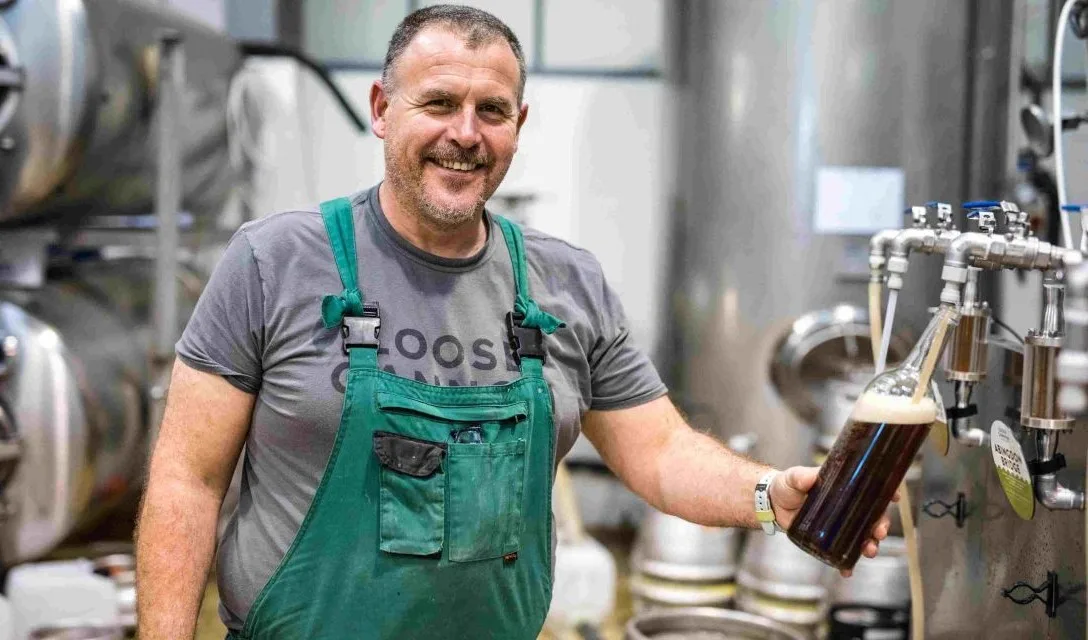
IPA

Crisp. Citrusy. Floral. Tropical. Spicy. Woody. Earthy. Bitter. Not Bitter … do you see a theme? No? You are not alone. IPA is nearly undefinable anymore besides the fact that it is a heavily hopped pale beer typically with higher alcohol.

India Pale Ale has been a staple of the British brewing scene since its introduction in the 18th Century. Originally invented to transport beer to soldiers and colonists in India – hence its name – the use of excess hops, with their antibacterial properties and higher alcohol helped the beer survive the journey but also resulted in a bitter, strong, hoppy taste.

Depending on the hops used, flavours range from fruity and tropical to citrusy and earthy, and expect big flavours when done right. IPA has its own subset of styles, including West Coast IPA, which often has dank, pine notes, and the more tropical New England IPA (NEIPA), both of which have led to a USA-inspired re-imagination of this classic British beer style.

These days you can expect most craft breweries to also produce Imperial IPAs which can also be known as Double IPAs (DIPAs) and even Triple IPAs (TIPAs). These are similar to IPAs, but with the hop and malt profiles – and ABVs – turned up a notch or two. Typically, they’re very hazy and richly textured. And if that sounds like your thing, try a Milkshake IPA – creamy, cloudy, a touch sweet and delicious.

Pale Ale

Typically, a more balanced malt to hop ratio and lower alcohol payload than its IPA cousin, medium-bodied and an easy drinker, pale ale is a hoppy delight. Styles include English Pale Ales with a bit more caramel and a woody, earthy and spicy hop aroma to classic American Pale Ale with its citrus flavours and firm bitterness and lastly onto the current trend of hazy, tropical, citrus lead beers that have a soft mouthfeel and very, very low bitterness.

The hops used in Pale Ales and IPAs play a crucial role in the beer’s flavour profile. Here are some of the hop varieties – and their characteristics – that you may have seen on beer labels:

  • Citra – as the name suggests, this hop imparts a burst of citrus zest, with hints of grapefruit and lime. Refreshment guaranteed!
  • Cascade – another hop that makes for a beer with real citrus punch and a touch of pine. A big favourite with America’s craft brewing pioneers.
  • Amarillo – celebrated for its tropical fruit and orange peel notes. Makes for a bright and very inviting beer.
  • Nelson Savin – if you love New Zealand Sauvignon Blanc, look out for beers that are hopped with this variety. Lots of passion fruit and grapefruit notes and real zing!
  • Chinook – plenty of pine resin notes, bright grapefruit character and a real fresh finish. Popular in pales and IPAs and also used in some porters and stouts.
  • Fuggles – this is the hop that gives traditional English ale its classic bitterness.

Porter

While porter has been a historic ale of choice for much of England, it gained its name and popularity due to its adoption by London porters in the 19th Century. This is a warming, fulsome brew that matches the dark waters of the Thames at night. Craft breweries add ingredients such as dark-roasted malts and chocolate, bringing wonderful, rich chocolate, caramel and coffee flavours to the palette.

Stout

Stout is porter's younger, tougher brother. Originally monikered 'stout porter', this is a malty maverick of a dark beer, with tastes ranging across bitter, smooth, sweet and strong flavours. Although they are kissing cousins a stout tends to be more roasty than a porter which is usually a bit fruitier. Of course, the most famous style of stout is Guinness. A great starting point, but there are a host of amazing other stouts out there to try.

American microbreweries opened the doors to infusing soft stout with hoppy flavours, and now other flavours have been introduced so that you can enjoy coffee stouts, sweet pastry stouts, vanilla stouts, raspberry stouts and more. Pure taste heaven.
Sour

To go into depth properly on sours we would need an entire book. In simple terms there are two types to know about: Berliner Weisse, Gose and Fruited Sours. The vast majority of sours you’ll see from craft breweries will be some amalgamation of these. In short, the brewers lower the pH of the beers, acidifying it with lactobacillus bacteria. That’s the same acid in yoghurt that gives that “twang” you know so well.

Once the beer has been acidified and fermented it can be left alone which would resemble a more traditional Berliner Weisse or, as in most cases now, fruit is added, and secondary fermentation begins. This layers a fruity quality and striking colour over the top of the already tart beer. Tart, fruity and very refreshing, they go great with food and are hard to beat on warm day. But they are still “controlled” every step of the way by the brewer and don’t take any longer than a normal ale to produce.

Lambic, Gueuze, Wild Ale. The height of craft brewing art. These beers command the most money and respect because they provide the most complexity and romance in the world of beer. They’re practically a different product to regular beer, like store-bought sliced ham compared to 24-month aged jamon from Spain. Both are both pork (or beer) but that is where any comparison ends.

These craft beers require the brewer to be in a symbiotic relationship with nature and to gently steer the process along the way all the while knowing that mother nature is in charge. Airborne wild yeast and microflora provide a true terroir. That, along with barrel aging, blending and re-fermentation in the bottle one of the most complex beverages on the on the planet.

Saison

French for 'season', saison is a Belgian style ale referred to sometimes as a farmhouse ale. They are difficult to classify as the character can range quite broadly but what you can expect is an extremely dry, thirst quenching beer with high carbonation, a spicy hop aroma and rustic quality hard to put your finger on.

Not all saisons are tart but some can have a bit of acidity to them. Pigeonholing saison to specific flavour attributes is an exercise in frustration but for lovers of saison that elusiveness is the allure.

Start your craft beer adventure

There are countless craft beer styles, but the secret is to explore a range. If you've always stuck to lager, try an IPA or a pale ale. For a more adventurous craft beer lover, explore milkshake IPAs and chocolatey stouts. Or, for something really refreshing go for a wheat beer or a fruit-flavoured sour. There really is a beer to suit every palate.

Shop All Beer

About the author

Steve Rumble

When Steve first started writing for Laithwaites, dry rosé wasn’t a thing in the UK, the only Malbec we stocked was French and hardly any Brits could pronounce Rioja. Things have changed but Steve still loves telling the great stories behind our wines. He holds the WSET Level 4 Diploma and loves a good Provence pink or an oaky Chardonnay. Steve has sports writing experience and is our go-to writer for all things Laithwaites and England Cricket.

money back guarantee icon

100% MONEY-BACK

Guarantee

free delivery icon

Free Delivery

on 12+ bottles

award winning icon

Award-Winning

Wines & customer service

trustpilot icon

Excellent

Rating