
A Complete Guide to Chardonnay
Chardonnay is anything but a one-trick pony. It can be hand-picked in tiny walled vineyards – or harvested by machine in vast plantations. You’ll find it equally at home on the bargain shelf of the supermarket, or at tastings so exclusive that the empty bottles are smashed to prevent criminals from filling them with counterfeit wine.
But with styles ranging from rich, oaky and fruity to lean, crisp and minerally, which one should you choose?
Why Chardonnay is the world's greatest white grape
The question you should be asking isn’t “do you like Chardonnay?” It’s “what style of Chardonnay do you like to drink?”
Because Chardonnay is a chameleon. It can be lean and sparkling, crisp and mineral-driven, or opulent and rich. Golden as a wedding ring – or so light as to be almost colourless. Some Chardonnays can age for decades, and some die after a year. Chardonnay can be made into a sweet wine, it can be made into bubbles.
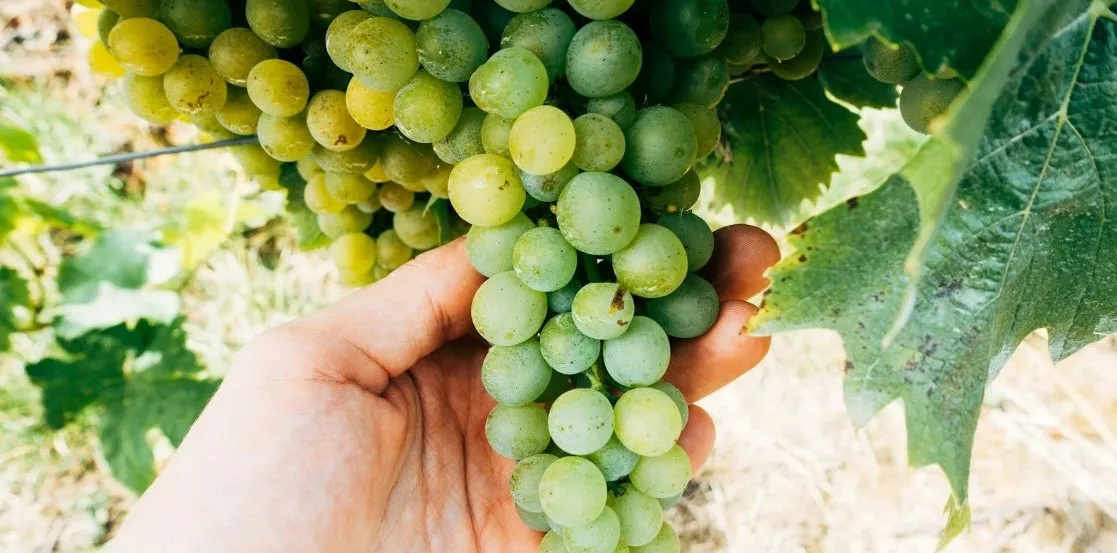
Yet this green-skinned wonder is a strangely neutral grape, deriving its flavours from both the place it is cultivated, and the winemaking process.
For a winemaker, Chardonnay is the perfect blank canvas to showcase their skill.
What does Chardonnay taste like?
The styles and flavours of Chardonnay can vary significantly, but they also retain common characteristics.
Unoaked Chardonnay
On the nose, unoaked, or ‘Chablis-style’ Chardonnays, offer fragrant notes of green apple, pear, and citrus, with some chalky or mineral-like aromas. Typically lean and crisp, with high acidity, they can resemble the freshness of a Sauvignon Blanc but with more body.
Oaked Chardonnay
Oaked Chardonnays present rich aromas of peach, mango, and lemon, accompanied by notes of vanilla, butter, plus often a hint of toasted bread or nuttiness. They are known for their full-bodied, creamy mouthfeel, with vanilla and baking spice overlaying the stone fruit character.
Despite the stylistic differences, both oaked and unoaked can share a characteristic underlying note of apple or citrus. With age, no matter the style, chardonnay tends to develop hazelnut aromas.
Warm vs Cool Climate Chardonnay
Cooler climate Chardonnay typically has more acidity, citrus flavours and mineral character, and is lighter-bodied, lighter in alcohol and more elegant than warm climate expressions.
In the northern Hemisphere, cool climate Chardonnay has post codes in Burgundy (France), Champagne (France), Germany, Austria, Northern Italy.
Below the equator, you’ll find cool climate Chardonnay in Canada, USA, New Zealand and Chile.
Warm climate Chardonnay typically has less acidity, the wines tend to be fuller-bodied with higher alcohol and deliver opulent, ripe fruit flavours including yellow peach to papaya and pineapple.
You’ll find warm climate Chardonnays in much of Spain and Southern Italy, as well as in South Australia and South Africa.
What are the best Chardonnay regions?
As you now know, Chardonnay has many smart addresses, but let’s start in France …
FrENCH cHARDONNAY
Situated in northern Burgundy, Chablis is one of the world’s most famous white wine styles and boasts seven Grands Cru.
Thanks to its cool climate and fossil-rich clay soil, Chablis produces a lean, steely style of Chardonnay with a unique flinty-mineral edge: think also tart green apple, lemon, and oyster shell notes.
Tip from the Tasting Room: Julien Bouchard Petit Chablis, a fine white offering intense citrusy fruit and a bright minerality. It’s a lovely introduction to the style that will be delicious solo or with white meat and fish dishes – pork chops with fennel and olives, perhaps.
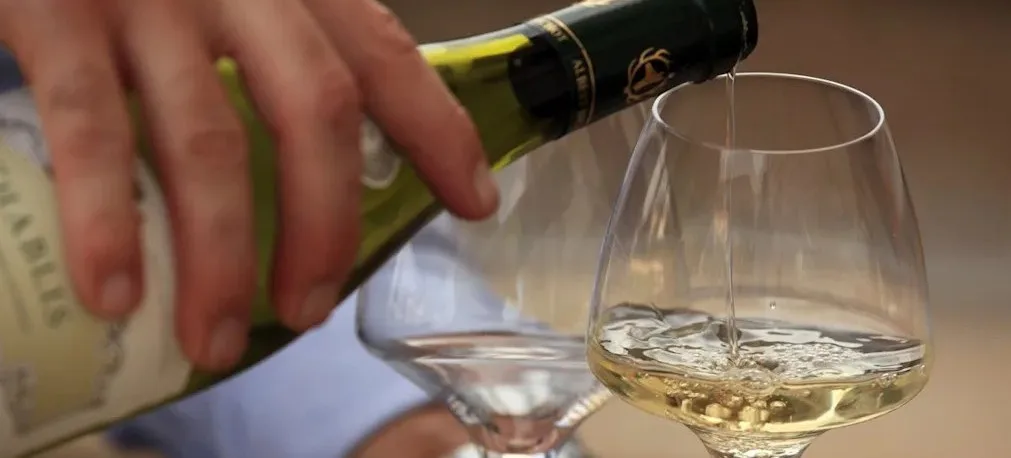
85 miles south-east of Chablis is Burgundy’s Côte d'Or. The ‘golden slope’ is home to what many believe to be the world’s finest Chardonnays. Burgundy is warmer than Chablis, and produces richer, more opulent Chardonnays. Burgundy whites are often oak aged and even oak fermented, leading to a rich complex style of Chardonnay that has been imitated widely around the world.
The two smartest villages for white Burgundy are Meursault which leans towards richer flavours of buttered toast, hazelnut, and ripe stone fruits… and Puligny-Montrachet which combines elegance and power.
Californian Chardonnay
Thanks to sun-kissed vineyards and expert winemaking, California’s Chardonnay is some of the best in the world. Californian Chardonnay ranges in style from vibrant citrus and apple to opulent pear, butterscotch, and vanilla flavours. You’ll find everything here from fruity refreshing whites to fine Chardonnays that can even rival top Burgundy.
Sonoma Coast is a great place to start if you’re looking to try Californian Chardonnay. The wines are for good value and decent quality, typically with citrus, apple and pear flavours.
Napa Valley produces some of California’s most famous wines – some of which go for eye-watering prices at auction. Napa Chardonnay leans towards richer stone fruit and tropical notes. They are often generously oaked, and are some of the richest Chardonnays out there.
Australian Chardonnay
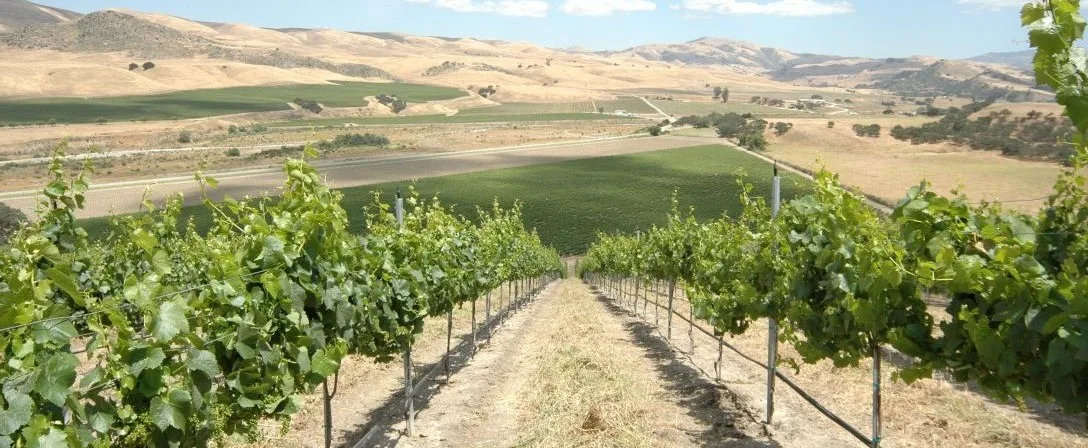
Australian Chardonnay is a vibrant showcase of diverse styles: with a spectrum spanning from tropical fruit to citrus notes, and from powerful to elegant.
Some of the best Aussie Chardonnays come from Yarra Valley in cool-climate Victoria. Here you’ll find elegant Chardonnays marked by crisp acidity, fresh citrus and green apple. Oak aging introduces undertones of vanilla and toast, without overwhelming the purity of fruit.
In Western Australia, the gravelly soils and warmer climate of Margaret River combine to produce some of Australia’s finest Chardonnays. The signature style showcases intense ripe stone fruits, melon, and a hint of tropical fruit, but with racy acidity. These are beautifully balanced by creamy textures and toasty notes derived from oak maturation.
Tip From the Tasting Room: RedHeads Harmonie Rox Chardonnay – a crisp white that’s bright and lemony-fresh, with a creamy edge.
Storing and Serving Chardonnay
Like all whites, Chardonnay should be served chilled.
If the wine is too warm, the alcohol tastes hot and muddles the flavours. Too cold, and the aromas and flavours will be muted. The best temperature range is 11-12°C (simply pop the bottle in the fridge for two hours – or give it an ice water bath for about half an hour).
Most Chardonnay wines do not need decanting. A white wine glass is perfect even for the sparkling versions, but you could use a flute for sparkling, a standard white wine glass for the leaner styles, and an aroma collector (with a narrower rim) for the oaked versions.
If you don’t finish the bottle, replace the cork and stick it back in the fridge. Chardonnay will stay fresh for 2–4 days. Beyond that, the wine will start to oxidize. At that point, it’s best used for cooking!
Food Pairing with Chardonnay
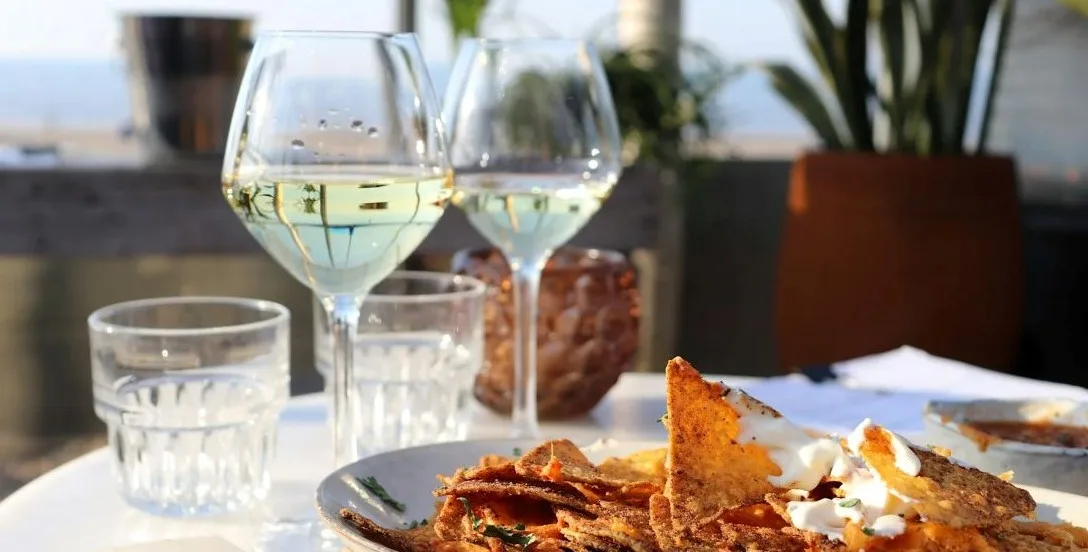
Chardonnay is so versatile that you can go through an entire meal with just the one grape variety.
Crisp, pure, unoaked Chardonnay like Chablis makes a perfect apéritif. It’s great too with goat cheese, oysters, shellfish, sushi, sautéed fish, pâté, vegetable risotto, or moules frites. The crispness, minerality, and delicate flavours crave crisp, delicate foods.
Medium-bodied Chardonnays pair well with firmer fish (like swordfish), and white meats such as chicken and pork tenderloin. It also works well with aged cheeses like gruyere and gouda.
Fat, rich, oaky styles of Chardonnay pair well with richer foods. They can handle heavier cream sauces, grilled meats, and even game birds. They’re also good with rich or starchy vegetables like corn, pumpkin, or squash (mushrooms are also a must!)
We stop at nothing to bring you great wine
For over 50 years, we've gone off the beaten track to bring you great bottles from independent wineries around the world. We taste over 40,000 bottles a year to find the 800 or so that make the final cut. From luxurious French styles like Chablis to amazing value finds from Chile - you'll discover all sorts of hidden gems in our handpicked Chardonnay collection.
About the author
Richard Bull
Although good at running up hills, Richard failed to make the military cuvée and turned instead to the drinks trade. After stints at Hennessy, Oddbins and Grants of St James, he arrived at Laithwaites. Here, he spent 15 years writing about real wine and the people who make it. As he wrote from the desk to your door, he was lucky enough to visit vineyards in France, Italy, Spain and Kent.
Qualified to WSET Level 3, Richard loves the off-the-beaten track reds of the Languedoc - but is currently obsessed with Greek wine, particularly their super crisp whites.